Ir al contenido
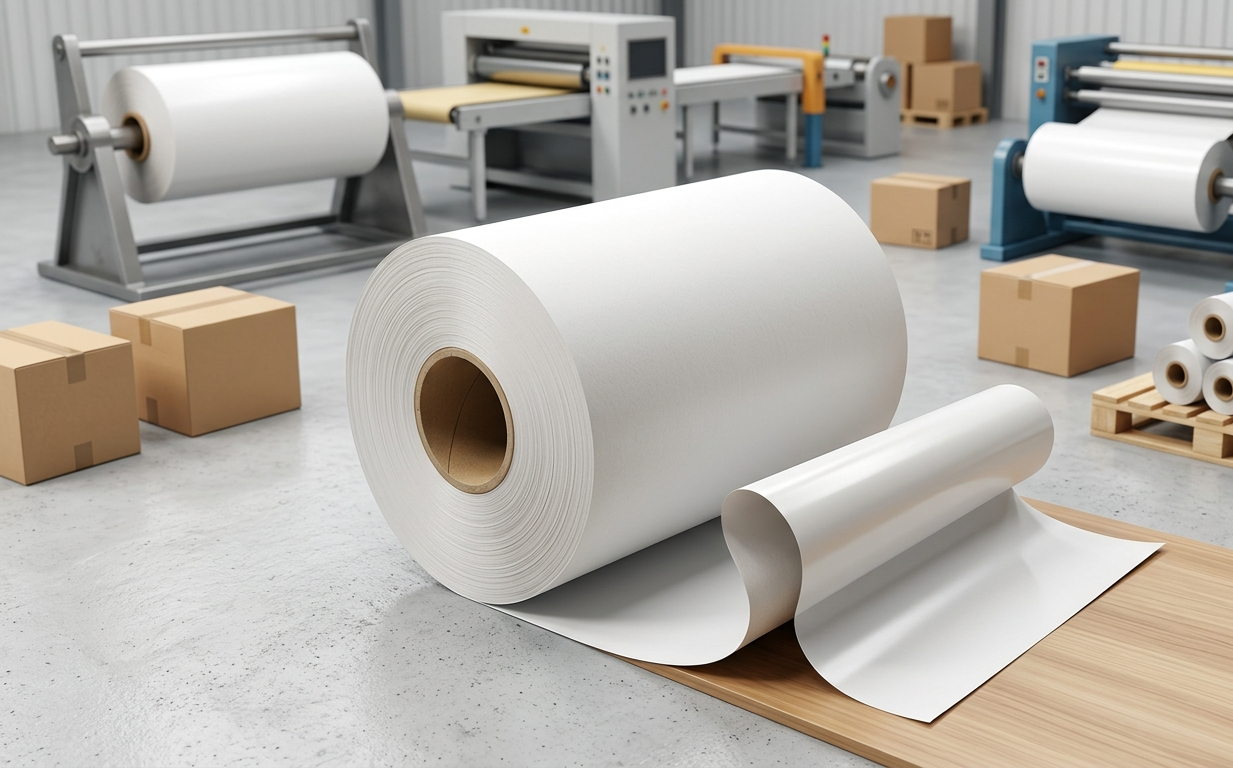
 Kangchuang Paper fabrica papel antiadherente de silicona: un papel con un recubrimiento de precisión que cuenta con una capa antiadherente de silicona curada, la cual permite una separación controlada y uniforme de las superficies adhesivas. Nuestro papel antiadherente se utiliza como soporte para etiquetas adhesivas sensibles a la presión, cintas adhesivas, películas gráficas, productos adhesivos médicos, materiales preimpregnados compuestos y componentes adhesivos industriales troquelados. Disponible en soportes de papel glassine, kraft supercalandrado y con recubrimiento de arcilla, con recubrimiento de silicona a una o a ambas caras, con una fuerza de desprendimiento de entre 5 g/pulgada y 400 g/pulgada, en rollos de 50 mm a 1 600 mm de ancho. Directamente de fábrica desde Dongguan, con rollos de muestra gratuitos enviados a Estados Unidos a través de DHL Express.
Documento de presentación
Papel de protección recubierto de silicona sobre soportes de papel glassine, kraft y con recubrimiento de arcilla, destinado a la fabricación de etiquetas autoadhesivas, la producción de cintas adhesivas, la laminación de películas gráficas, productos adhesivos médicos y aplicaciones de laminado de prepregs compuestos.
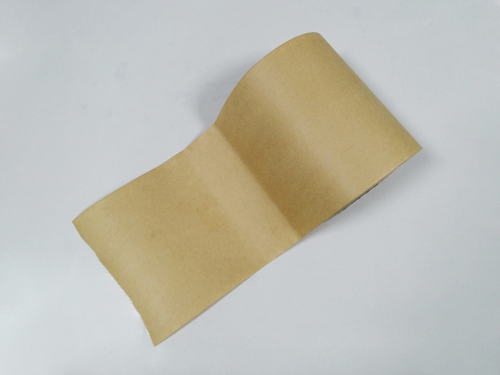
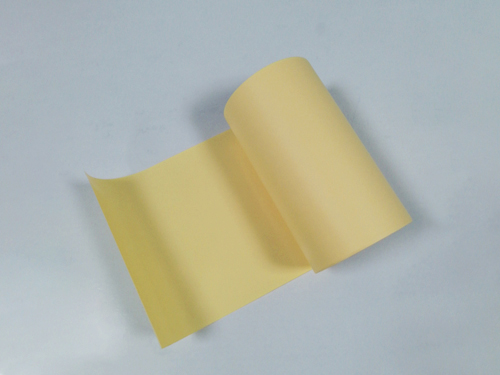
El papel antiadherente (también denominado lámina antiadherente, papel de silicona o papel desprendible) es un producto de papel industrial recubierto por una o ambas caras con una fina capa de silicona curada que proporciona una superficie antiadherente. El recubrimiento de silicona crea una superficie con una energía superficial extremadamente baja, lo que significa que los materiales adhesivos —adhesivos sensibles a la presión, adhesivos termofusibles y resinas termoendurecibles— no se adhieren de forma permanente a la superficie del papel. En cambio, se despegan de forma limpia y completa al separarlos. Esta propiedad de desprendimiento controlado hace que el papel antiadherente sea esencial como soporte y capa protectora en la fabricación de etiquetas autoadhesivas, cintas adhesivas, películas gráficas, parches médicos y apósitos para heridas, materiales preimpregnados compuestos y cualquier producto que contenga una superficie adhesiva que deba permanecer protegida hasta el momento de su aplicación. Sin el papel antiadherente, los productos adhesivos no podrían fabricarse, almacenarse, transportarse ni dispensarse en rollos o hojas, ya que el adhesivo se adheriría a cualquier superficie con la que entrara en contacto.
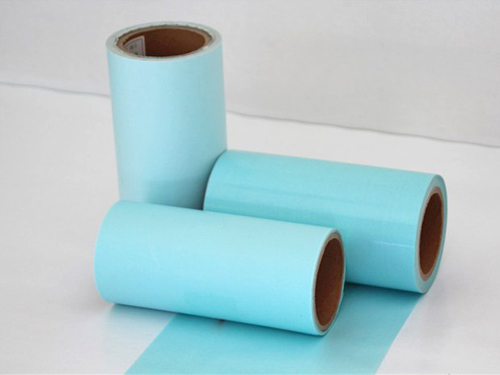
El papel antiadherente funciona gracias a las propiedades químicas superficiales de la silicona curada. El recubrimiento antiadherente de silicona —normalmente un polímero de polidimetilsiloxano (PDMS) reticulado, curado mediante un catalizador de platino o por iniciación térmica— crea una superficie con una energía superficial extremadamente baja (aproximadamente 20-24 mN/m). Los adhesivos sensibles a la presión tienen una energía superficial significativamente mayor (normalmente de 30 a 45 mN/m), lo que significa que el adhesivo tiene una afinidad mucho mayor por el sustrato al que está destinado a adherirse (como el material frontal de una etiqueta o el soporte de una cinta) que por el revestimiento antiadherente recubierto de silicona. Cuando se despega el papel de separación, el adhesivo se transfiere por completo al sustrato de mayor energía y no deja residuos en el papel de separación. La fuerza necesaria para despegar el adhesivo del papel de separación —denominada «fuerza de separación» o «valor de despegado»— viene determinada por la formulación de la silicona, el peso del recubrimiento y las condiciones de curado. Se especifica una fuerza de desprendimiento baja (5–30 g/pulgada) para aplicaciones en las que se requiere un desprendimiento fácil, como la dispensación de etiquetas. Se especifica una fuerza de desprendimiento alta (100–400 g/pulgada) para aplicaciones en las que el adhesivo debe permanecer firmemente adherido al papel de protección durante las operaciones de conversión a alta velocidad, troquelado y separación de la matriz.
Kangchuang Paper se especializa en papeles industriales de alta calidad: sin azufre, estucados, antiadherentes y antioxidantes. Indíquenos sus necesidades y le recomendaremos el tipo de papel más adecuado con un plazo de entrega rápido.
El papel antiadherente utiliza un recubrimiento de silicona curada que le confiere propiedades antiadherentes, lo que garantiza un rendimiento constante y estable a diferentes temperaturas en una amplia variedad de condiciones. El papel encerado utiliza un recubrimiento de cera de parafina que se ablanda a bajas temperaturas, transfiere residuos de cera a las superficies adhesivas y ofrece una fuerza de desprendimiento irregular. Para aplicaciones adhesivas industriales, el papel encerado nunca es aceptable: se requiere papel antiadherente de silicona para lograr una separación limpia y sin residuos.
Kangchuang ofrece papel antiadherente con valores de fuerza de desprendimiento que van desde los 5 g/pulgada (desprendimiento ultrafácil para la dispensación automática de etiquetas) hasta los 400 g/pulgada (desprendimiento firme para el troquelado a alta velocidad con separación de la matriz). El cliente especifica la fuerza de desprendimiento en función del tipo de adhesivo, la velocidad del equipo de transformación y la aplicación final. Los grados estándar de fuerza de desprendimiento están disponibles en stock; los valores personalizados de fuerza de desprendimiento requieren cantidades mínimas de pedido.
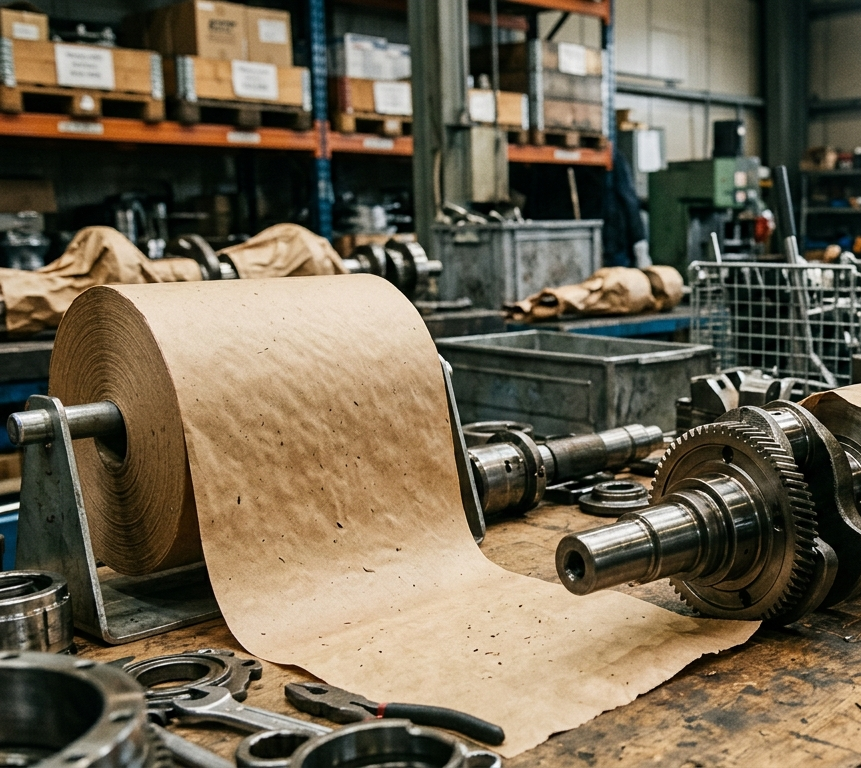
Ofrecemos papel antiadherente en tres tipos de papel base: glassine (liso, translúcido, de bajo calibre —estándar para material de etiquetas—), kraft supercalandrado (mayor resistencia mecánica y al desgarro para aplicaciones en cintas y películas gráficas) y kraft estucado con arcilla (muy liso, con gran capacidad de retención para el recubrimiento de silicona de precisión; se utiliza para etiquetas de alta gama y aplicaciones médicas). El tipo de papel base influye en la resistencia, la transparencia, la suavidad de la superficie y la estabilidad dimensional del papel antiadherente.¿Se puede utilizar papel desmoldeante para la fabricación de preimpregnados compuestos?
Sí. El papel de separación se utiliza ampliamente en la fabricación de compuestos aeroespaciales e industriales como capa de soporte para los prepregs (láminas de fibra compuesta preimpregnadas). El recubrimiento de silicona permite separar limpiamente el papel de desmoldeo de la superficie de resina sin curar durante el laminado. Para aplicaciones con materiales compuestos, suministramos papel de desmoldeo con una fuerza de desmoldeo controlada, resistencia a altas temperaturas y una suavidad superficial constante para garantizar una distribución uniforme de la resina.
Sí. El papel antiadherente de silicona de doble cara tiene un recubrimiento de silicona en ambas caras; normalmente, con valores de fuerza de desprendimiento diferentes en cada cara (desprendimiento diferencial). Se utiliza para productos adhesivos que se apilan o se enrollan con las superficies adhesivas expuestas por ambos lados, así como para aplicaciones específicas de troquelado en las que ambas superficies del papel protector deben desprenderse limpiamente.