Aller au contenu
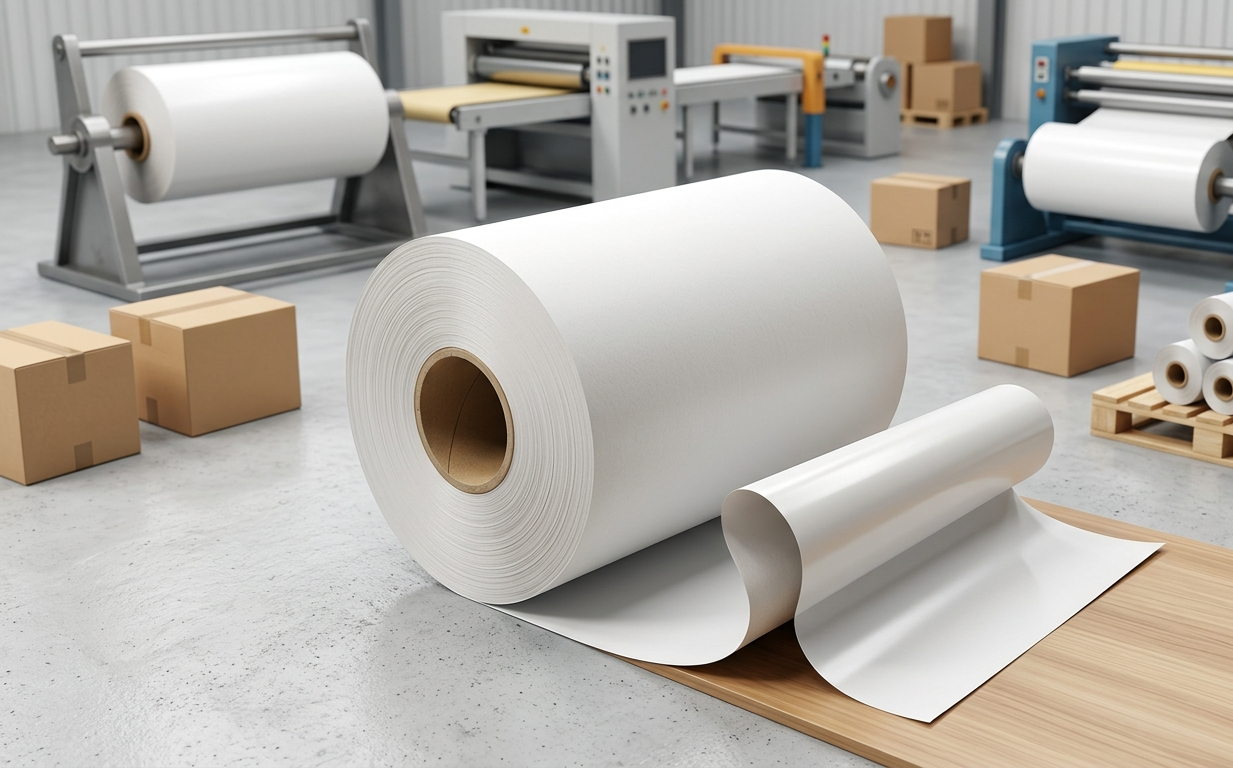
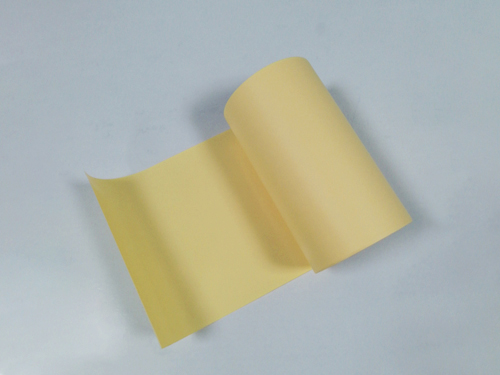
 Le papier intercalaire Kangchuang offre une barrière de protection de surface de haute précision entre les panneaux de verre empilés, les circuits imprimés, les cellules solaires et les composants métalliques de précision. Il permet ainsi d’éviter les micro-rayures, la contamination de surface, les décharges électrostatiques et les dommages liés à l’humidité pendant la fabrication, le stockage et le transport international. En tant que fabricant spécialisé dans le papier intercalaire basé à Dongguan, en Chine, et fort de plus de 20 ans d’expérience dans la production, nous fournissons aux usines de verre, aux fabricants de circuits imprimés, aux usines de panneaux solaires et aux entreprises de matériel de précision aux États-Unis, en Europe et en Asie, du papier intercalaire sans acide, non pelucheux et au pH neutre — en vente directe d'usine, avec des options personnalisées de grammage (GSM) et de largeur, ainsi que des échantillons gratuits envoyés par DHL Express vers les États-Unis.
GSM, largeur et format personnalisés : Disponible dans des grammages allant du papier tissu de 17 g/m² au papier d'intercalation épais de 120 g/m², découpé avec précision en rouleaux d'une largeur comprise entre 100 mm et 1 600 mm. Disponible en feuilles et en rouleaux. Quantité minimale de commande : 500 kg, avec un délai de production rapide de 10 à 15 jours.
Qu'est-ce que le papier d'intercalation ?
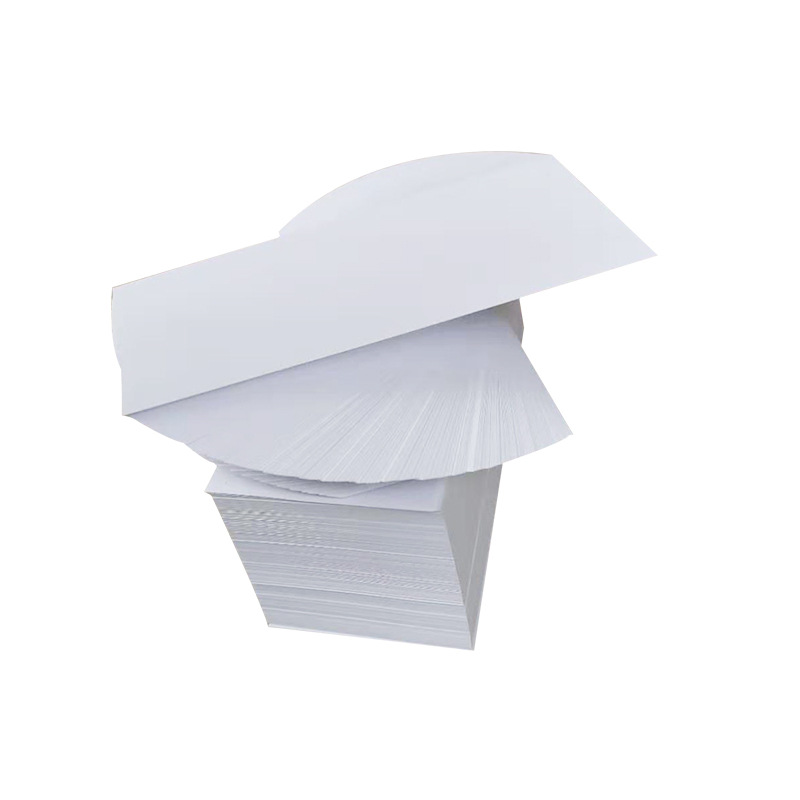
Le papier intercalaire — également appelé papier de séparation, papier de protection ou papier intercalaire pour verre — est un papier industriel spécialement conçu pour être placé entre les surfaces d'articles empilés ou emballés pendant la fabrication, le stockage et le transport. Sa fonction principale est la protection des surfaces : il permet d'éviter les dommages liés au contact, tels que les micro-rayures, le transfert de contaminants, les marques de pression dues à l'empilement et les dégâts causés par la condensation d'humidité entre des surfaces adjacentes.
Contrairement au papier d'emballage ou au papier de soie à usage général, le papier intercalaire industriel est fabriqué selon des spécifications précises en matière de douceur de surface, de pH neutre, d'absence de particules abrasives, de structure fibreuse contrôlée et, pour les qualités spécialisées, de propriétés antistatiques et anti-moisissure. Ces caractéristiques techniques en font le matériau indispensable à la protection des surfaces de grande valeur dans la fabrication du verre, la production de circuits imprimés, la fabrication de panneaux solaires photovoltaïques, la production de lentilles optiques et la manipulation de composants métalliques de précision.
Le terme ‘ papier de séparation ’ est plus couramment utilisé dans les milieux industriels chinois et par les fabricants d’Asie de l’Est. Le terme ‘ papier intercalaire ’ est quant à lui privilégié aux États-Unis, en Europe et dans les environnements d’achat B2B à l’échelle mondiale — c’est pourquoi ces deux termes figurent sur cette page. Si vous recherchez du ‘ papier de séparation pour verre ’, du ‘ papier de séparation pour circuits imprimés ’, du ‘ papier de séparation pour panneaux photovoltaïques ’ ou du ‘ papier intercalaire pour cellules solaires ’, vous avez trouvé le produit qu'il vous faut.
Pourquoi le papier de protection des surfaces est-il important ? — Les principes physiques de la formation des rayures
Lorsque deux surfaces dures et lisses sont mises en contact direct sous la pression du poids de la pile, toute particule ou fibre plus dure que la surface la plus tendre — même des particules aussi petites que 5 microns — agit comme un agent abrasif. Sous le poids des panneaux de verre empilés (qui peut dépasser 500 kg par palette), même les particules de fibres microscopiques ou les inclusions minérales présentes dans du papier de mauvaise qualité peuvent créer des rayures visibles sur les surfaces de verre flotté poli, de verre tactile à revêtement ITO ou de verre optique.
La solution ne consiste pas simplement à utiliser n’importe quel papier, mais à recourir à un papier spécialement conçu pour présenter un profil de lissage de surface contrôlé (mesuré en unités de lissage de Sheffield ou en secondes de lissage de Bekk), dont l’absence de particules minérales abrasives dépassant un seuil critique de taille a été vérifiée, et dont le pH ne favorise pas la corrosion de surface du verre ou du métal en cas de contact prolongé.
Les papiers d'intercalaire Kangchuang sont fabriqués et testés pour répondre à ces exigences pour chaque type d'application. Les qualités de papier séparateur pour verre présentent des spécifications de lissage plus élevées et une teneur en charge plus faible que les qualités de papier de séparation pour circuits imprimés, qui, à leur tour, présentent des caractéristiques de dissipation statique différentes de celles du papier séparateur photovoltaïque. Chaque sous-produit est optimisé pour son application spécifique — il ne s'agit pas d'un papier générique commercialisé sur plusieurs marchés.
| CARACTÉRISTIQUES TECHNIQUES | SÉPARATEUR DE VERRE | CLOISON EN CIRCUIT IMPRIMÉ | SÉPARATEUR PV | ACIER / MÉTAL |
|---|---|---|---|---|
| Portée GSM | 17 à 60 g/m² | 40 à 80 g/m² | 17 à 40 g/m² | 60 à 120 g/m² |
| Lissé de la surface | Élevé (plus de 150 à Sheffield) | Moyen (100–150) | Moyen-élevé | Standard |
| Valeur du pH | 6.5–8.5 | 6.5–8.5 | 6.5–8.5 | 6.5–8.5 |
| Sans acide | ✅ Oui | ✅ Oui | ✅ Oui | ✅ Oui |
| Option antistatique | Disponible | ✅ Standard | ✅ Standard | Disponible |
| Option anti-moisissure | ✅ Disponible | Disponible | Disponible | ✅ Disponible |
| Plage de largeurs de bobines | 200 à 1 600 mm | 100 à 1 200 mm | 100 à 800 mm | 300 à 1 600 mm |
| Formats de feuilles | Découpe sur mesure | Découpe sur mesure | Découpe sur mesure | Découpe sur mesure |
| Teneur en humidité | 5–8% | 5–7% | 4–7% | 5–9% |
| Type de fibre | Cellulose vierge | Cellulose vierge | Cellulose vierge | Vierge / recyclé |
| Couleur | Blanc / blanc cassé | Blanc / jaune | Blanc | Blanc / naturel |
| Quantité minimale de commande | 500 kg | 500 kg | 500 kg | 500 kg |
| Délai de livraison | 10 à 15 jours | 10 à 15 jours | 10 à 15 jours | 10 à 15 jours |
Ces trois termes désignent la même catégorie de produits : du papier placé entre deux surfaces afin d’éviter tout dommage dû au contact lors de l’empilage, du stockage et du transport. Le terme ‘ papier intercalaire ’ est privilégié dans les contextes industriels américains et européens. Le terme ‘ papier de séparation ’ est couramment utilisé dans les secteurs manufacturiers chinois et d’Asie de l’Est. Le terme ‘ papier séparateur ’ est utilisé spécifiquement dans l’industrie du verre. Sur cette page et dans l’ensemble de notre catalogue, nous utilisons ces trois termes de manière interchangeable, mais nos produits sont identiques, quel que soit le terme que vous employez pour les désigner.
Pour les panneaux de verre flotté standard (épaisseur de 4 à 12 mm, usage architectural standard), le grammage de papier intercalaire le plus couramment prescrit est compris entre 40 et 60 g/m². Un papier plus fin (25 à 40 g/m²) peut être utilisé pour les panneaux plus légers lorsque le poids est un critère important, mais il risque de ne pas offrir un amortissement suffisant en cas de charges élevées lors de l’empilage sur palettes. Pour les panneaux de verre très grands ou très lourds, un grammage de 60 à 80 g/m² assure une meilleure répartition de la charge. En cas de doute, demandez un lot d’échantillons de différentes épaisseurs à Kangchuang : nous y inclurons des échantillons de 40 g/m², 50 g/m² et 60 g/m² afin que vous puissiez les tester dans vos conditions réelles d’empilage.
Lorsqu’un papier de qualité adaptée est correctement choisi et utilisé, le papier intercalaire réduit la fréquence des rayures superficielles à un niveau proche de zéro dans des conditions de manipulation standard. Le papier doit : (1) recouvrir entièrement la surface du verre, sans laisser de bords découverts susceptibles d’entrer en contact avec le panneau suivant, (2) être exempt de plis ou de froissements pouvant créer des points de pression localisés, et (3) présenter le degré de lissage adapté à votre type de verre. Pour les verres traités (ITO, low-e, antireflet), demandez nos qualités à haute finesse dont les valeurs Sheffield sont supérieures à 200 — le papier intercalaire standard peut encore causer des micro-rayures sur ces surfaces à revêtement tendre.
La moisissure sur le verre (également appelée ‘ bloom ’ ou ‘ tache sur le verre ’) pendant le transport maritime est un problème bien connu, causé par la condensation de l’humidité à l’intérieur des conteneurs, combinée à la présence de matières organiques dans le papier intercalaire qui servent de source de nourriture aux spores de moisissure. Kangchuang propose un papier intercalaire anti-moisissure contenant des agents antifongiques homologués (à base d’IPBC ou équivalents) qui empêchent la prolifération fongique sur les surfaces en verre pendant des périodes de transport maritime pouvant aller jusqu’à 60 jours dans des conditions de transport tropicales. Si votre verre subit des dommages dus à la moisissure lors du transport en conteneur, ce type de papier est spécialement conçu pour résoudre ce problème.
Pour l'intercalage des circuits imprimés, les exigences clés sont les suivantes : un pH neutre (6,5–8,5) pour éviter la corrosion du substrat, une surface sans peluches pour prévenir la contamination des pastilles de soudure par des particules, et une résistance de surface compatible ESD (10⁶–10⁹ Ω/sq) pour les cartes assemblées contenant des composants sensibles aux décharges électrostatiques. Pour les cartes nues sans finition de surface : un papier d'intercalation standard de 40 à 60 g/m² est généralement suffisant. Pour les cartes avec finition ImAg ou OSP : associez-le à notre papier sans soufre pour une protection contre les agressions chimiques. Pour les cartes assemblées comportant des circuits intégrés sensibles aux décharges électrostatiques : utilisez notre papier d'intercalation antistatique. Indiquez-nous le type spécifique de votre circuit imprimé et nous vous recommanderons la combinaison optimale.
Le papier séparateur photovoltaïque (papier séparateur PV) est un papier intercalaire plus léger et offrant une meilleure adaptabilité, spécialement conçu pour les plaquettes de silicium et les cellules solaires. Ses principales différences par rapport au papier intercalaire standard sont les suivantes : un grammage inférieur (17 à 40 g/m² contre 40 à 80 g/m² pour les applications sur verre), une souplesse et une adaptabilité accrues pour protéger les plaquettes de silicium fragiles de 180 à 200 microns, un traitement de surface antistatique pour empêcher l’adhérence statique entre les plaquettes sur les équipements de manutention automatisés, et une propreté contrôlée (aucune particule supérieure à 50 microns susceptible de provoquer des points de pression à la surface de la plaquette). Le papier séparateur pour PV est un produit spécialisé — tous les fabricants de papier intercalaire ne le produisent pas selon les spécifications requises.
Oui. Kangchuang propose du papier d'intercalage en trois formats : en rouleaux (standard), en feuilles découpées aux dimensions spécifiées (tolérance de ±2 mm) et en feuilles découpées à l'emporte-pièce avec des formes personnalisées ou des coins coupés. Les feuilles prédécoupées sont disponibles dans toutes les dimensions, dans la limite de notre largeur maximale de rouleau de 1 600 mm. Les quantités minimales de commande pour les feuilles prédécoupées sont généralement de 2 000 kg (afin de rentabiliser la mise en place de la machine de découpe). Pour des quantités plus faibles de feuilles prédécoupées, nous pouvons vous fournir le papier sous forme de rouleaux accompagnés d’un guide de découpe afin que votre équipe puisse effectuer la découpe en interne, ou nous pouvons discuter de conditions de découpe sur mesure avec des quantités minimales de commande plus faibles.
Oui. Toutes les qualités de papier d'intercalation Kangchuang sont fabriquées pour être sans acide, avec un pH compris entre 6,5 et 8,5 (mesuré selon la norme TAPPI T509 ou une méthode d'extraction à froid équivalente). La mention « sans acide » signifie que le papier ne contient pas de composés acides (tels que l'alun ou la colle à la colophane) susceptibles de créer un micro-environnement acide pendant le stockage, et qu'il ne produit pas de produits de dégradation acides au fur et à mesure de son vieillissement. Ceci est particulièrement important pour les applications de stockage à long terme sur verre (où une attaque acide de la surface du verre peut se produire après plusieurs mois de contact) et pour la protection des substrats de circuits imprimés (où des composés acides pourraient dégrader la finition de surface du stratifié époxy).
Le papier intercalaire antistatique contient un revêtement de surface ou un additif qui réduit la tendance naturelle du papier à générer et à retenir des charges électrostatiques lorsqu’il est séparé d’autres surfaces. Le papier standard présente une résistance de surface très élevée (10¹²–10¹⁴ Ω/sq), ce qui signifie qu’il accumule des charges électrostatiques lors de sa manipulation : lorsque vous retirez du papier standard situé entre des circuits imprimés ou des plaquettes de silicium, celui-ci peut décharger plusieurs milliers de volts sur la surface des composants. Le papier intercalaire antistatique (résistance de surface comprise entre 10⁶ et 10⁹ Ω/sq) dissipe cette charge en toute sécurité, empêchant ainsi les dommages causés par les décharges électrostatiques (ESD) aux dispositifs semi-conducteurs sensibles, aux puces intégrées et aux composants RF. Si votre produit contient des composants électroniques sensibles aux décharges électrostatiques, l’utilisation de papier intercalaire antistatique est obligatoire et non facultative.
Pour les commandes de production standard : minimum de 500 kg, ce qui correspond généralement à 1 à 2 palettes selon le grammage et la largeur du rouleau. Pour l’évaluation d’échantillons : minimum 1 rouleau (environ 30 à 50 kg selon le grammage), expédié gratuitement via DHL Express vers les États-Unis, l’Union européenne et la plupart des destinations internationales. Pour les commandes par conteneur : un conteneur standard de 20 pieds peut contenir environ 15 à 20 tonnes métriques de papier intercalaire, selon le grammage. Nous proposons nos meilleurs tarifs FOB Dongguan pour les commandes par conteneur et pouvons regrouper plusieurs types de produits (par exemple, papier intercalaire pour verre + papier intercalaire pour circuits imprimés) dans un même conteneur.
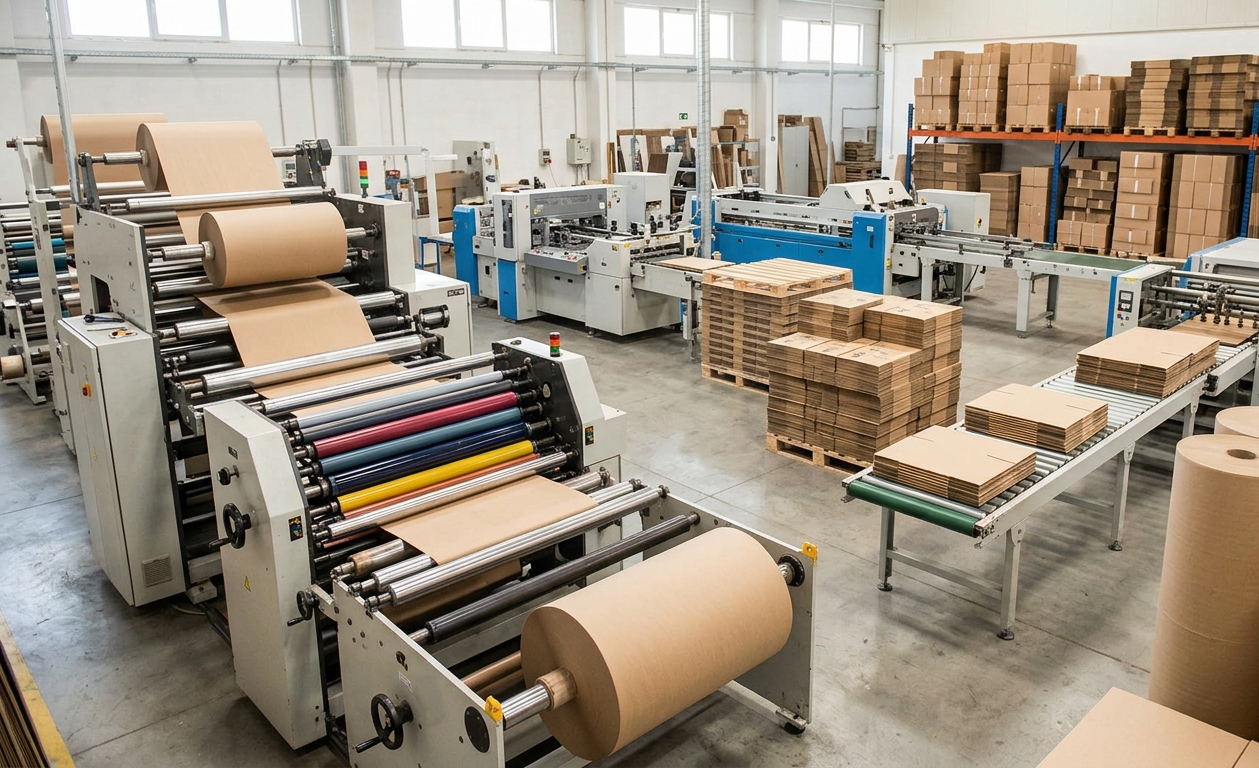
Oui — la production sur mesure est l'une de nos principales compétences. Nos équipements de refendage prennent en charge des rouleaux d'une largeur maximale de 1 600 mm et permettent un refendage de précision à n'importe quelle largeur spécifiée par le client, avec une tolérance de ±0,5 mm au niveau des bords. Bon nombre de nos clients exploitent des lignes automatisées de manutention du verre ou des machines d’assemblage de circuits imprimés qui nécessitent du papier intercalaire alimenté à partir de rouleaux de largeurs spécifiques, afin de répondre aux spécifications de leurs convoyeurs ou de leurs équipements d’insertion. Nous pouvons produire n’importe quelle largeur à partir de 100 mm sous forme de rouleaux continus, avec un diamètre de mandrin et une longueur de rouleau adaptés aux exigences de chaque client. Veuillez préciser la largeur de rouleau requise par votre équipement lors de votre demande de devis.
Oui. Kangchuang livre du papier d'intercalage à des verreries, des fabricants de circuits imprimés, des usines d'assemblage de panneaux solaires et des entreprises d'emballage industriel partout aux États-Unis. Les envois d’échantillons sont effectués via DHL Express (3 à 5 jours ouvrés vers la plupart des destinations aux États-Unis) sans frais pour l’acheteur. Les commandes de production sont expédiées par fret maritime FOB Dongguan (environ 15 à 20 jours vers les ports de la côte ouest des États-Unis, 20 à 28 jours vers les ports de la côte est). Nous préparons tous les documents d’importation américains requis, notamment la facture commerciale, la liste de colisage, le certificat d’origine (formulaire A) et les indications relatives à la classification des codes SH. Contactez-nous en nous communiquant l’adresse américaine de votre site et nous vous établirons un devis complet incluant le fret et une estimation des droits de douane.
Kangchuang Paper est spécialisée dans les papiers industriels de haute qualité : sans soufre, couchés, antiadhésifs et antirouille. Faites-nous part de vos besoins et nous vous proposerons la qualité la mieux adaptée, avec des délais de livraison rapides.