Zum Inhalt springen
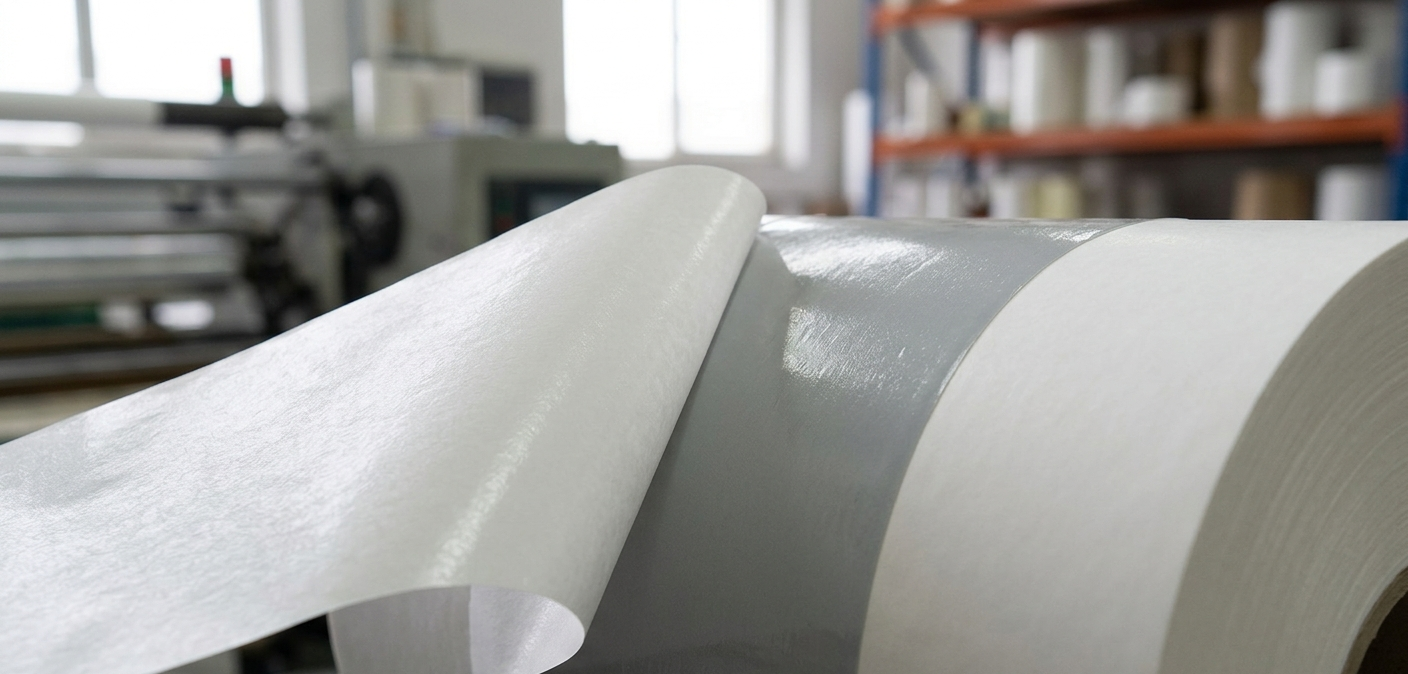
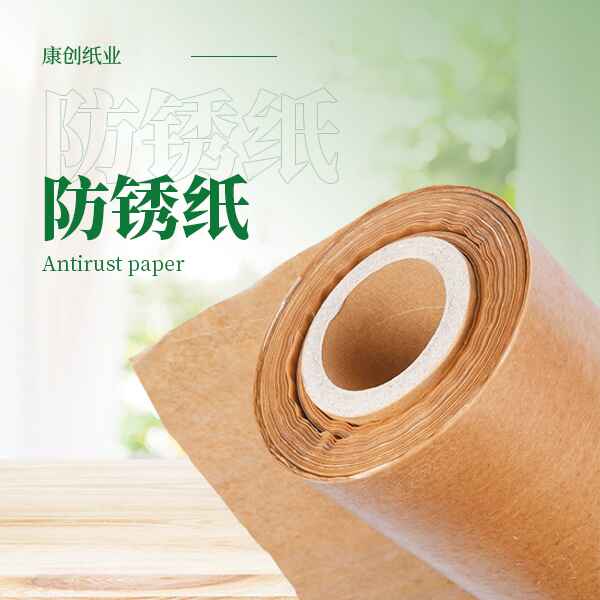
 Kangchuang VCI paper is a vapor corrosion inhibitor kraft paper that provides active, chemistry-based corrosion protection for ferrous and non-ferrous metal parts during storage, work-in-progress handling, and international shipping — without the mess, cost, and degreasing requirement of oil-based rust prevention methods. VCI molecules impregnated throughout the kraft paper substrate vaporize at room temperature, condense on enclosed metal surfaces, and form an invisible, monomolecular protective layer that interrupts the electrochemical corrosion process. When the packaging is opened, the VCI molecules naturally volatilize away, leaving the metal surface dry, clean, and corrosion-free — ready to use without any cleaning step. As an ISO 9001 certified VCI paper manufacturer based in Dongguan, China, Kangchuang supplies factory-direct VCI kraft paper for steel, copper, aluminum, brass, and multi-metal applications — with up to 24 months of corrosion protection and free DHL Express samples to the United States.
US Military & Industry Standards Compliant: Our VCI kraft paper meets the performance requirements of MIL-PRF-3420 (US Department of Defense VCI packaging specification) for ferrous metal protection — the same standard used by defense contractors and aerospace manufacturers for parts preservation.
What is VCI Paper and How Does Vapor Corrosion Inhibition Work?
VCI stands for Vapor Corrosion Inhibitor — a class of chemical compounds that protect metals from corrosion by releasing vapor-phase molecules that form an invisible protective film on metal surfaces. VCI paper is a kraft paper substrate that has been impregnated or coated with these VCI compounds, creating a packaging material that actively prevents rust and corrosion rather than merely providing a physical barrier.
Ordinary atmospheric corrosion of steel occurs through an electrochemical process that requires three components simultaneously present: metal (the anode), oxygen (the oxidant), and water (the electrolyte). Remove any one of these, and corrosion stops. VCI technology interrupts this electrochemical process by adsorbing onto the metal surface and reducing the rate of the anodic oxidation and cathodic reduction half-reactions to near-zero — effectively switching off the electrochemical corrosion mechanism without removing oxygen or moisture from the environment.
The VCI molecules in Kangchuang VCI paper — typically based on cyclohexylamino nitrogen compounds, benzotriazole (for copper), or amine carboxylate compounds — are volatile at room temperature. This means they continuously vaporize from the paper surface, diffuse through the air space inside the package, and condense on all metal surfaces within the enclosed space. The condensed VCI molecules adsorb onto the metal surface by forming coordination bonds with the metal atoms, creating a monomolecular protective layer approximately 2–3 molecules thick (approximately 1–2 nanometers) that is invisible to the eye and does not affect part dimensions, surface finish, or downstream processing.
When the packaging is opened, the VCI molecules — being volatile at room temperature — rapidly desorb and volatilize from the metal surface back into the atmosphere, leaving the metal surface completely clean and ready for use. This self-removal property is one of the key advantages of VCI protection over oil-based or wax-based rust prevention coatings, which must be chemically removed with solvents before parts can be used or further processed.
The Science Behind VCI Paper — Why It Outperforms Physical Barriers
Physical barrier packaging — waxed paper, PE-coated paper, plastic bags — can only exclude moisture and oxygen from metal surfaces if the package is perfectly sealed, free from pinholes, and maintained sealed throughout the storage period. In practice, physical barrier packages are frequently opened for inspection, experience temperature cycling that pumps air in and out through micro-leaks, and develop pinholes from handling. Every time the barrier is breached, corrosive atmosphere reaches the metal surface.
VCI paper operates on a fundamentally different principle: it actively suppresses the corrosion reaction regardless of small packaging imperfections. Even if VCI paper packaging is not perfectly sealed, the constant equilibrium of VCI molecules between the paper and the enclosed air space maintains a protective concentration of VCI vapor around the metal surface. This makes VCI packaging significantly more robust and forgiving than physical barrier packaging in real-world industrial environments.
Quantitative comparison: in a standardized accelerated corrosion test (ASTM D1748, Humidity Cabinet Test, 70°C/100% RH), clean steel parts protected with VCI kraft paper show zero corrosion after 90 days of continuous humidity exposure. The same steel parts wrapped in standard uncoated kraft paper show heavy surface rust within 48 hours under the same conditions. This difference in performance explains why VCI paper is the industry standard for metal parts protection in demanding storage and shipping environments.
Metals Kangchuang VCI Paper Protects
Ferrous Metals — Steel, Cast Iron, Chrome
Ferrous VCI paper grades use amine-based VCI compounds optimized for the electrochemistry of iron and iron alloys. These grades provide excellent protection for carbon steel, stainless steel, cast iron, chromium-plated steel, and galvanized steel. Standard ferrous VCI kraft paper provides up to 24 months protection in normal indoor storage conditions.
Non-Ferrous Metals — Copper, Brass, Bronze
Copper and copper-alloy metals (brass, bronze) require benzotriazole (BTA) or tolyltriazole (TTA) VCI chemistry — these compounds form extremely stable coordination complexes with copper surfaces that prevent both oxidation (tarnishing) and sulfurization. Copper VCI paper is critical for copper wire harnesses, electrical connectors, heat exchangers, and plumbing components stored or shipped in environments containing atmospheric sulfur (from industrial air pollution, rubber off-gassing, or cardboard).
Aluminum & Zinc
Aluminum VCI grades protect against the whitish oxidation (aluminum oxide) that forms on unprotected aluminum surfaces in humid environments. Zinc VCI grades prevent white rust formation on hot-dip galvanized and electroplated zinc surfaces. Both use different inhibitor chemistry from ferrous grades.
Multi-Metal Assemblies
When packaged assemblies contain multiple different metals (e.g., a steel housing with copper terminals and aluminum heat sinks), a single-metal VCI grade may not protect all surfaces adequately. Kangchuang multi-metal VCI paper contains a blend of VCI compounds covering ferrous, copper-family, and aluminum electrochemistry simultaneously — providing complete protection for complex mixed-metal assemblies without requiring different paper types for different surfaces.
| SPECIFICATION | DETAILS |
| Base Paper | Natural kraft paper | Bleached kraft | Reinforced kraft (with polyethylene scrim for tear resistance) |
| Base Paper GSM | 30gsm | 40gsm | 60gsm | 80gsm | 100gsm — heavier grades for wrapping large parts |
| VCI Chemistry | Ferrous: amine carboxylate + cyclohexylamine | Copper: benzotriazole | Multi-metal: proprietary blend | All nitrite-free |
| VCI Application Method | Impregnated throughout paper fiber | Surface-coated | Both-side coated options |
| Metal Compatibility | Ferrous grade: steel, cast iron, chrome | Copper grade: copper, brass, bronze | Multi-metal: all above + aluminum, zinc |
| Protection Duration | Up to 24 months in sealed/semi-sealed indoor storage | Up to 6 months in open or semi-open storage conditions |
| pH Range | 6.5–8.5 (acid-free base paper) |
| VCI Loading | Standard: 3–5 g/m² VCI active loading | Premium: 6–8 g/m² for high-humidity or extended protection |
| Corrosion Test Standard | ASTM D1748 (Humidity Cabinet) | MIL-PRF-3420 (ferrous grade) | DIN 30660 (multi-metal grade) |
| Roll Width | 200mm to 1,600mm — custom slit widths for production line use |
| Recyclability | Fully recyclable through standard paper recycling. VCI compounds are water-soluble and do not contaminate paper recycling process. |
| Compliance | ISO 9001:2015 | Nitrite-free | No restricted heavy metals | MIL-PRF-3420 performance (ferrous grade) |
| MOQ | 500kg standard | Free sample rolls shipped DHL Express to USA |
| Lead Time | Standard: 10–15 days | Custom loading or poly-laminated grades: 20–25 days |
VCI stands for Vapor Corrosion Inhibitor. VCI paper is a kraft paper substrate impregnated or coated with volatile chemical compounds that protect metals from corrosion by releasing vapor-phase inhibitor molecules that form an invisible protective film on metal surfaces. Unlike physical barrier packaging (which simply tries to keep moisture and oxygen away from the metal), VCI chemistry actively interferes with the electrochemical corrosion reaction — switching off the corrosion mechanism rather than just trying to slow it down. This active protection mechanism is why VCI paper provides significantly better corrosion protection than standard waxed paper, PE-coated paper, or simple plastic wrap.
When metal parts are correctly wrapped or enclosed in Kangchuang VCI paper within a reasonably sealed package (paper edges folded and taped, placed in a closed carton or bag), corrosion protection is maintained for up to 24 months in normal indoor storage conditions (15–25°C, <70% relative humidity). In open or partially sealed packaging, protection duration is reduced to approximately 3–6 months depending on ambient humidity and air movement. In aggressive environments (high humidity, H₂S or SO₂ present in atmosphere), premium VCI loading grades provide 12–18 months protection even under challenging conditions.
Standard ferrous VCI paper grades are optimized for steel and iron but may not provide adequate protection for copper, brass, and bronze — these metals require benzotriazole (BTA) or tolyltriazole (TTA) VCI chemistry, which is different from the amine-based chemistry used for ferrous metals. Kangchuang offers dedicated copper/non-ferrous VCI paper grades containing BTA for copper-family metal protection. For assemblies containing both steel and copper components (common in electrical and mechanical assemblies), our multi-metal VCI grade combines both chemistries in a single paper product.
Modern VCI compounds (including all Kangchuang VCI paper chemistries) are nitrite-free and do not contain heavy metals, chromates, or other restricted substances. The amine-based and benzotriazole-based VCI compounds used in our papers have established safety profiles and are used in food-packaging-adjacent industrial applications. However, VCI paper should not be used as food packaging, and VCI-treated surfaces should not be placed in the mouth or in direct food contact. Standard industrial hygiene precautions (hand washing after handling, avoiding inhalation of concentrated VCI vapor in enclosed spaces) apply. Full Safety Data Sheets (SDS) are available upon request for each VCI grade.
Yes — for most indoor storage and shipping applications, VCI paper is a direct replacement for oil-based rust preventatives (such as cosmoline, protective oils, or wax coatings). The key advantages of VCI paper over oil-based protection: no application equipment needed (no spray guns, brush application, or dipping tanks), no degreasing of parts before downstream processing (VCI molecules self-remove when packaging is opened), no hazardous waste from cleaning solvents, lower per-part cost in high-volume applications. The key limitation: VCI paper is less effective than heavy oil or wax coatings for outdoor, open-air, or highly aggressive corrosive environments (marine, underground, or high-SO₂ industrial atmospheres).
VCI paper and desiccant paper address different aspects of metal protection. VCI paper actively inhibits corrosion by interrupting the electrochemical reaction at the metal surface — it works even if moisture is present. Desiccant paper passively reduces moisture by absorbing water vapor from the enclosed atmosphere — reducing the humidity that drives the corrosion reaction. VCI paper is the better choice when the primary threat is atmospheric corrosion. Desiccant paper is the better choice when the primary threat is moisture condensation causing water damage, mold, or non-electrochemical degradation. For demanding metal protection applications (sea freight in humid shipping containers), Kangchuang recommends combining VCI paper (for active corrosion protection) with desiccant paper (for passive moisture reduction) in the same package.
Standard ferrous VCI paper grades provide limited protection for aluminum — because aluminum corrodes differently from steel and requires different inhibitor chemistry (anodic inhibitors that prevent aluminum oxidation rather than ferrous-type inhibitors). Kangchuang supplies dedicated aluminum VCI paper grades containing aluminum-compatible VCI compounds. Alternatively, our multi-metal VCI grades protect aluminum along with ferrous and copper-family metals in the same package. Specify the metal type when ordering to ensure the correct VCI chemistry is selected.
Yes. Our ferrous-grade VCI kraft paper meets the performance requirements of MIL-PRF-3420 (Performance Specification — Packaging Materials, Volatile Corrosion Inhibitor Treated, Opaque), which is the US Department of Defense standard for VCI packaging materials used in military and defense applications. MIL-PRF-3420 compliance requires successful completion of the accelerated humidity test per ASTM D1748 with zero corrosion after 90 days exposure. Our test reports demonstrating compliance are available upon request.
Yes — our VCI kraft paper grades can be surface-printed using flexographic printing on the uncoated kraft surface. Printed VCI paper is useful for inventory management (printing part numbers, storage instructions, or handling warnings directly on the packaging material), for branding (printing the customer’s logo on the VCI wrapping paper), or for instructional graphics showing the correct wrapping method. Minimum order quantities for custom-printed VCI paper are higher than standard grades — contact us for printed VCI paper pricing and setup requirements.
Kangchuang VCI paper sealed in its original polyethylene packaging has a shelf life of 24 months from the production date, when stored at 15–25°C in a dry, ventilated area away from direct sunlight and heat sources. VCI paper that has been removed from its sealed polyethylene packaging and stored open should be used within 3–6 months, as the VCI compounds gradually vaporize into the open air and the VCI loading level decreases over time. Each roll is labeled with the production date — use FIFO (first-in, first-out) inventory rotation to ensure VCI paper remains within its effective shelf life.
The key principles for effective VCI paper wrapping are: (1) Start with clean, dry metal surfaces — VCI does not remove existing rust, it only prevents new rust from forming. (2) Wrap the part completely with no exposed metal surfaces — all surfaces must be within the VCI vapor space. (3) Fold and seal all paper edges with tape — this maintains the VCI vapor concentration inside the package. (4) For complex parts with recessed areas or internal cavities, insert strips of VCI paper inside the cavities to ensure VCI vapor reaches all internal surfaces. (5) Place wrapped parts in closed cartons or bags — the more restricted the air volume around the VCI paper, the faster the protective VCI vapor concentration builds up.
Yes. Kangchuang ships VCI paper to industrial buyers, hardware manufacturers, automotive parts suppliers, tool companies, and packaging distributors throughout the United States. Free sample rolls of our ferrous and multi-metal grades are shipped via DHL Express to US locations at no charge. Production orders ship FOB Dongguan by sea freight (approximately 15–20 days to West Coast ports, 22–28 days to East Coast). We provide all US import documentation and can assist with HS code classification and customs duty estimation. Contact us for a full FOB + freight quote for your required grade, quantity, and delivery location.
Kangchuang Paper specializes in high-quality industrial papers — sulfur-free, coated, release, and anti-rust. Tell us your requirements and we’ll recommend the right grade with fast turnaround.