Aller au contenu
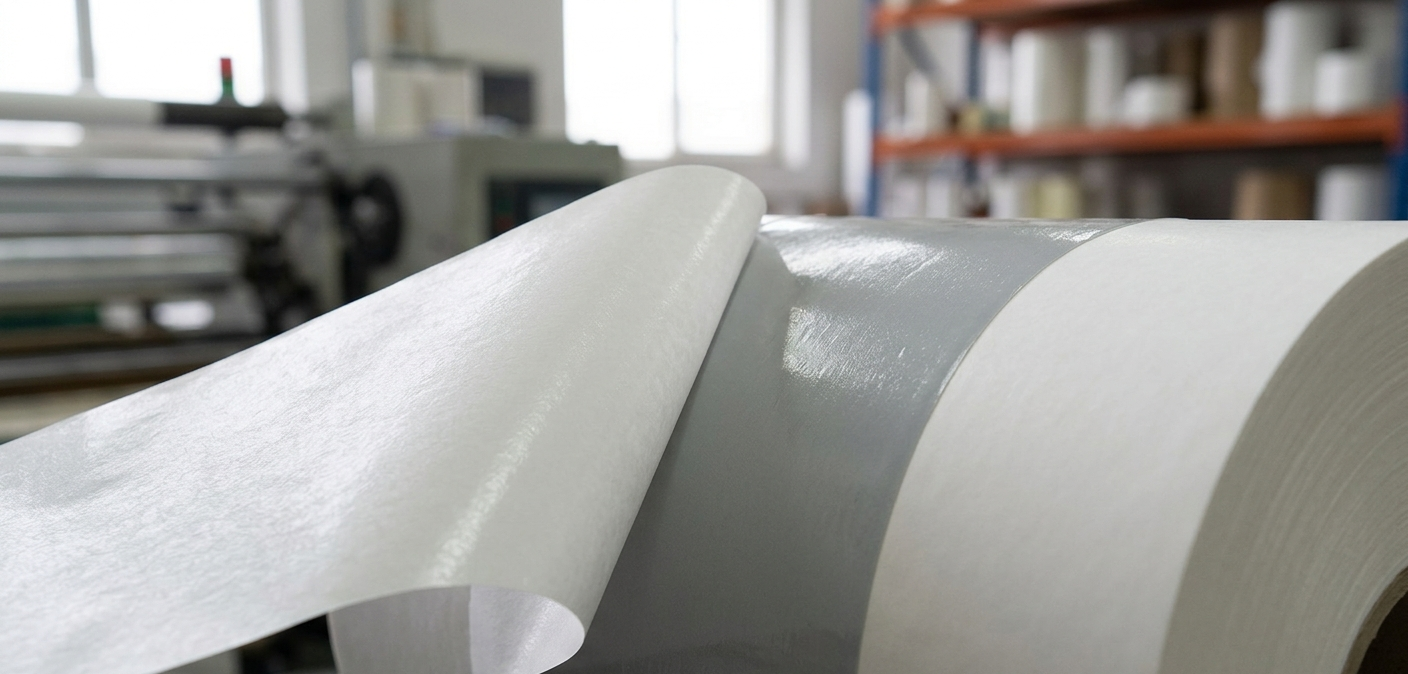
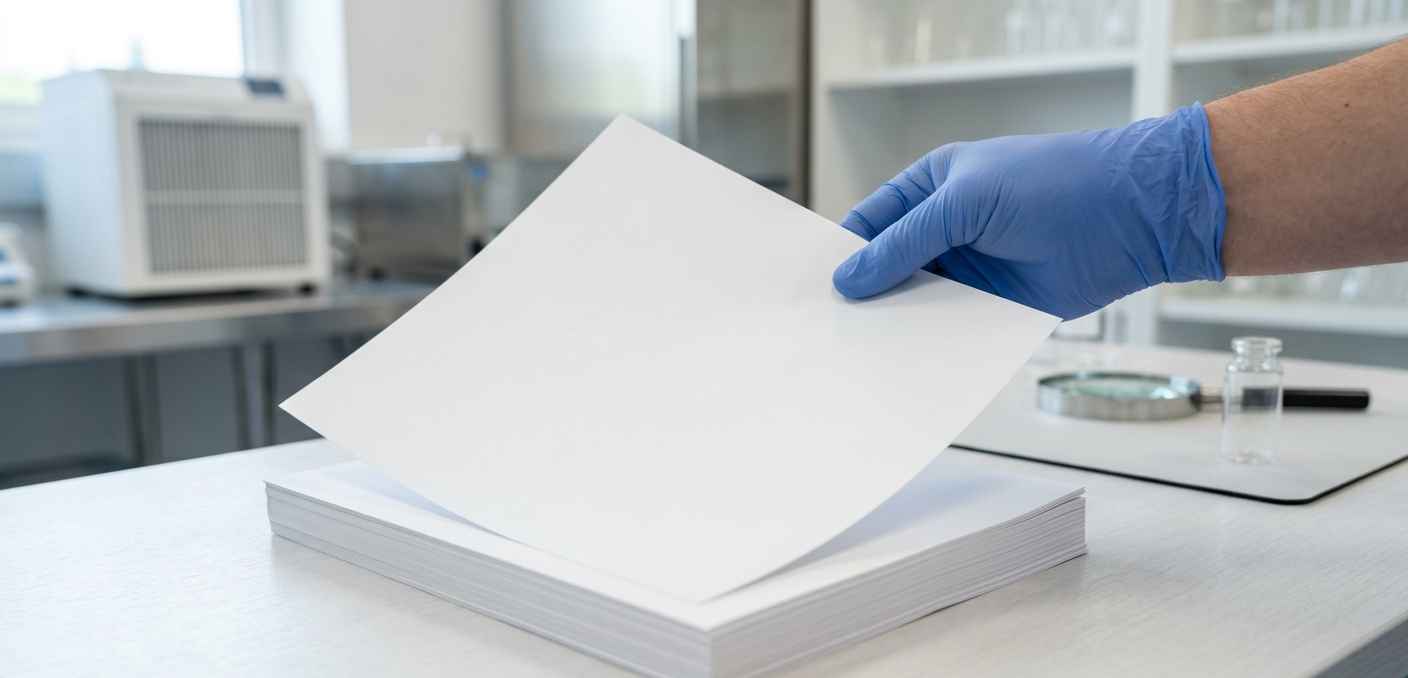
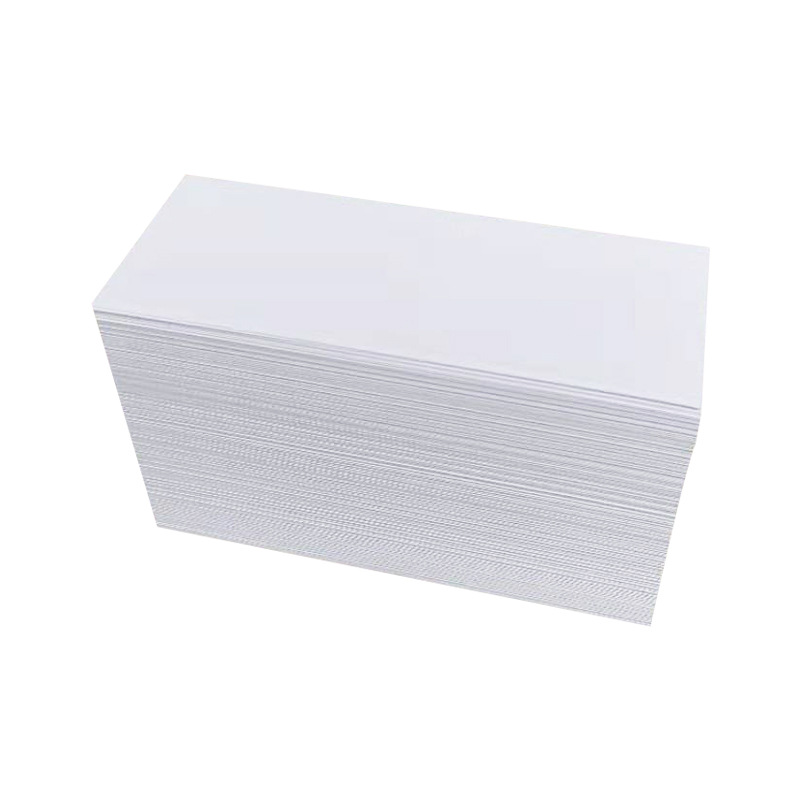
 Kangchuang Paper’s white antistatic sulfur-free paper combines two critical electronics packaging specifications into one engineered material: controlled surface resistance (10⁷–10¹⁰ Ω/sq) for electrostatic discharge (ESD) protection, and <5ppm sulfur content for anti-tarnish protection of silver-plated and copper-based electronic components. This dual-function paper is designed for electronics manufacturers, EMS companies, and component packagers who need to protect ESD-sensitive devices from electrostatic damage AND prevent tarnish of plated metal surfaces simultaneously — a combination not addressed by standard ESD packaging papers (which may contain carbon or metallic coatings incompatible with sensitive metal surfaces) or standard sulfur-free papers (which are not antistatic). Available in custom widths from 30mm to 1,200mm and paper weights from 50gsm to 120gsm, with free DHL Express samples to USA addresses.
Electronics manufacturers face a packaging challenge that standard ESD packaging materials do not fully address: many ESD-sensitive components are also tarnish-sensitive. Silver-plated SMD brackets, gold-plated IC leads, copper-base MEMS sensors, and tin-plated connectors require protection from electrostatic discharge AND protection from hydrogen sulfide tarnish simultaneously.
Standard ESD packaging bags (metallized polyester or aluminum foil bags) provide excellent ESD shielding but are expensive for bulk component storage and cannot be used for interleaving or roll-fed automated packaging applications. Standard ESD papers (carbon-loaded or metallic-coated papers) provide surface conductivity but contain carbon or metallic additives that can contaminate precious metal surfaces — carbon particles on silver-plated bracket surfaces are a documented source of optical reflectivity reduction in LED packages.
Kangchuang’s white antistatic sulfur-free paper solves this problem by using a surface antistatic treatment that is itself sulfur-free and white — providing the dissipative surface resistance needed for ESD protection without carbon contamination, metallic coating, or sulfur introduction. The result is a packaging paper that can be used directly in contact with both ESD-sensitive and tarnish-sensitive component surfaces.
Antistatic paper (10¹¹–10¹⁴ Ω/sq): Reduces triboelectric charge generation on the paper surface. Does not drain charge rapidly. Prevents static buildup from paper friction but does not provide dissipation of charge already present on components.
Electrostatic Dissipative (ESD) paper (10⁷–10¹⁰ Ω/sq): This is the Kangchuang specification. Provides controlled, slow charge drain from component surfaces on contact. Prevents rapid ESD events while safely dissipating charge. The correct specification for component interleaving, wrap, and packaging in contact with ESD-sensitive device bodies.
Conductive paper (<10⁵ Ω/sq): Used for shielding envelopes and bags, not for direct component contact. Conductive materials can cause direct current paths between sensitive component pins — potential damage mechanism for sensitive analog and RF devices.
MEMS Sensor Packaging: MEMS accelerometers, gyroscopes, and pressure sensors combine ESD-sensitive CMOS circuitry with precision mechanical structures vulnerable to static-induced particle attraction. Antistatic, sulfur-free paper interleaving protects both the electrical and mechanical sensitivity.
Mixed-Signal and RF IC Component Packaging: High-impedance analog and RF components are among the most ESD-sensitive devices in electronics manufacturing. Gold-plated leads on these devices require both ESD protection and anti-tarnish packaging during storage and shipment.
LED Package Staging: White antistatic paper for interleaving LED packages in taping stations where both static charge (from rapid automated motion) and silver bracket tarnish are concerns.
PCB Assembly ESD Control: Wrapping assembled PCBAs in antistatic sulfur-free paper for inter-department transit within EMS facilities — preventing both ESD damage during handling and ionic contamination from standard paper.
| SPECIFICATION | DETAILS |
| Surface Resistance | 10⁷–10¹⁰ Ω/sq — measured per IEC 61340-4-9 at 23°C, 12% RH |
| ESD Classification | Electrostatic Dissipative (per IEC 61340 and ANSI/ESD S541) |
| Sulfur Content | <5ppm — XRF analysis verified per production batch |
| pH Value | 7.0–8.5 (acid-free) |
| Color | White — no carbon black or dark colorants |
| Antistatic Treatment | Surface-applied, humidity-independent — effective 20–70% RH |
| Available GSM | 50gsm | 60gsm | 80gsm | 100gsm | 120gsm |
| Roll Width Range | 30mm to 1,200mm — custom slit to specification |
| Sheet Sizes | A4 | A3 | Custom dimensions up to 1,200×1,200mm |
| Core Inner Diameter | 3-inch (76mm) | 6-inch (152mm) | Custom |
| Width Tolerance | ±0.5mm (rolls up to 500mm) | ±1.0mm (rolls 500–1,200mm) |
| Moisture Content | 5–8% at 23°C / 50% RH |
| MOQ | 2 rolls for sample | 500kg for production |
| Lead Time | 5–7 days (samples) | 10–15 days (production — antistatic treatment adds process time) |
| Shipping | DHL Express (USA samples — free) | FOB Dongguan (production) |
| Documentation | Surface resistance test report | Sulfur test report | ESD classification certificate |
Antistatic sulfur-free paper is a specialty packaging paper that combines electrostatic dissipation (surface resistance 10⁷–10¹⁰ Ω/sq) with low sulfur content (<5ppm). You need both specifications when packaging components that are both ESD-sensitive (they can be damaged by static discharge during handling) and tarnish-sensitive (they have silver, copper, or gold surfaces that tarnish when exposed to hydrogen sulfide from standard paper). Silver-plated SMD brackets, gold-plated IC leads, and MEMS sensors commonly require both properties simultaneously — and no standard single-specification paper addresses both.
Our white antistatic sulfur-free paper has surface resistance in the range of 10⁷–10¹⁰ Ω/sq, measured per IEC 61340-4-9 at standard test conditions (23°C, 12% relative humidity). This places it in the electrostatic dissipative range — neither conductive (which would cause current paths between component pins) nor merely antistatic (which would not drain charge). The measured value is documented in the surface resistance test report included with every shipment.
Our antistatic treatment uses a non-ionic or quaternary ammonium-based surface active compound that provides ionic conductivity at the paper surface — allowing charge to migrate across the surface and drain slowly without the rapid discharge of fully conductive materials. Unlike carbon black, this treatment is white (or colorless), does not shed conductive particles onto component surfaces, and does not contain sulfur. The treatment is applied to the paper surface and dried — it remains effective for the full service life of the paper under proper storage conditions.
Antistatic paper (10¹¹–10¹⁴ Ω/sq) reduces triboelectric charge generation on the paper surface during friction — useful for preventing static buildup, but does not drain existing charge. Electrostatic dissipative (ESD) paper (10⁷–10¹⁰ Ω/sq) — our specification — provides controlled charge drain from component surfaces on contact, preventing rapid ESD events. Conductive paper (<10⁵ Ω/sq) is used for shielding bags and envelopes, not for direct component contact — the rapid charge drain can damage sensitive devices and the conductive materials risk inter-pin short circuits.
Yes. Our antistatic treatment is formulated to maintain dissipative surface resistance (10⁷–10¹⁰ Ω/sq) across a relative humidity range of 20–70%. Many competing antistatic papers use hygroscopic salt treatments that require humidity above 40–50% to be effective — below this threshold, resistance rises to antistatic or even insulative levels. Our humidity-independent formulation maintains ESD protection even in dry (20–40% RH) cleanroom and air-conditioned environments.
No — this is a critical qualification point for our antistatic sulfur-free paper. The antistatic treatment agent is independently tested for sulfur content before qualification for use in our sulfur-free paper grades. The combined finished paper — base paper plus antistatic treatment — is then tested by XRF for total sulfur content, which must be below 5ppm. We do not simply add a standard antistatic treatment to sulfur-free paper; we qualify the treatment to be itself low-sulfur.
The antistatic performance (surface resistance 10⁷–10¹⁰ Ω/sq) is maintained across 20–70% relative humidity. The sulfur-free specification (<5ppm) is inherent to the paper chemistry and is not humidity-dependent. The pH specification (7.0–8.5) is a permanent property of the paper. For storage environments outside the 20–70% RH range, please contact us to discuss your specific humidity conditions and whether additional product qualification testing is needed.
Yes. Pre-cut sheets in standard PCB panel sizes (460×610mm, 305×457mm, A4, A3) are available. Custom sheet dimensions up to 1,200×1,200mm are available with 7–12 day lead time. Sheet format is popular for PCB assembly facilities where boards are interleaved manually in shipping cartons. The antistatic property prevents static buildup during the interleaving process.
For wrapping individual SMD components and small assemblies: 50–60gsm provides a thin, flexible wrap that conforms to component shape. For wrapping PCBAs and larger assemblies: 80gsm provides better tear resistance during handling. For heavy assemblies requiring structural protection: 100–120gsm. We recommend requesting sample rolls of two gsm grades for your specific component and evaluating both before specifying a production order.
Sample evaluation: 2 rolls at your specified width and gsm — no minimum weight, shipped free via DHL Express to USA. Production orders: 500kg minimum total weight. Note that antistatic paper production requires longer lead time than standard sulfur-free paper (10–15 days for production orders) due to the antistatic coating process. Plan accordingly for initial production orders.
Yes. Every shipment of white antistatic sulfur-free paper includes: (1) surface resistance test report (with measured values at 12% and 50% RH, measurement method, and test date), (2) ESD classification statement (confirming electrostatic dissipative classification per IEC 61340), and (3) sulfur content test report. These three documents together provide the ESD compliance evidence required for supplier qualification in most ESD control programs (ANSI/ESD S20.20, IEC 61340-5-1).
Yes. We ship to electronics manufacturers, EMS companies, PCB fabricators, and electronics distributors throughout the United States. Sample rolls ship via DHL Express (3–5 business days) at no charge. Production orders ship FOB Dongguan by sea freight with full export documentation and ESD compliance certificates. Contact us with your surface resistance requirement, sulfur specification, width, gsm, and US delivery location for a complete quotation.
Kangchuang Paper specializes in high-quality industrial papers — sulfur-free, coated, release, and anti-rust. Tell us your requirements and we’ll recommend the right grade with fast turnaround.