Ir para o conteúdo
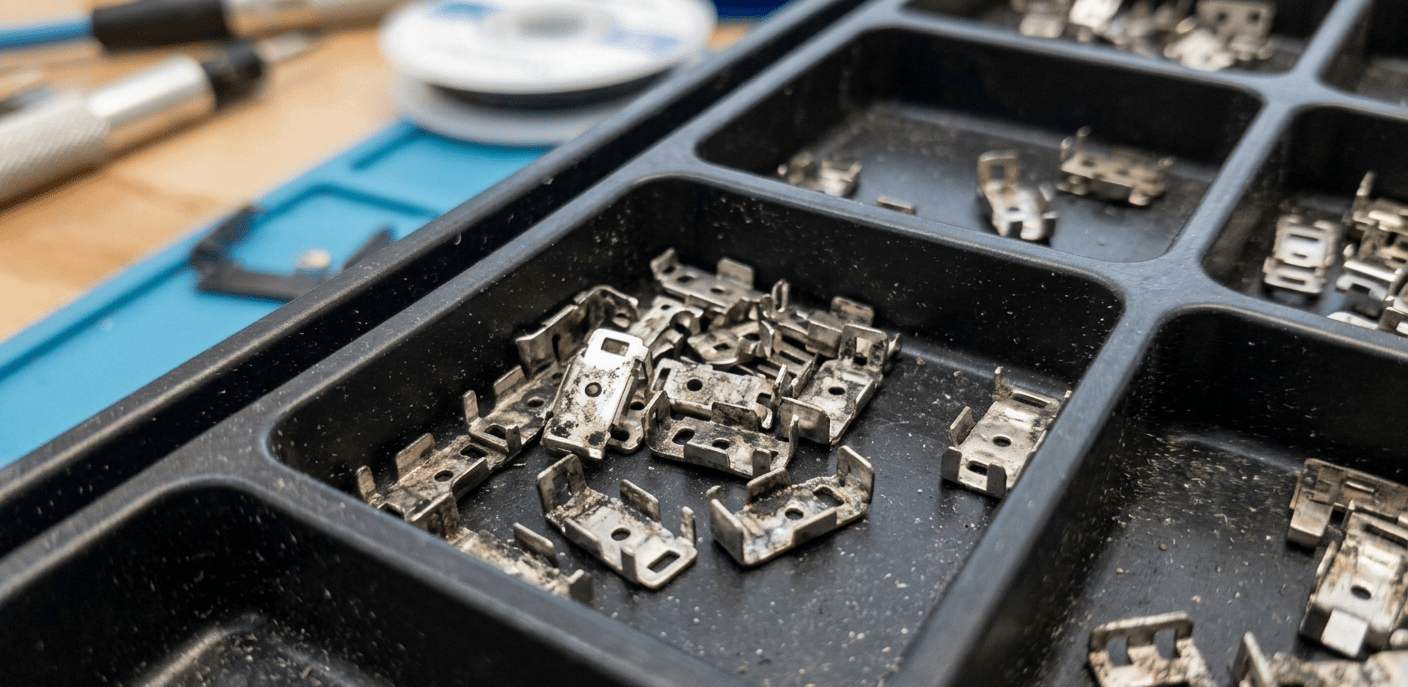
If you are manufacturing LED packages, SMD components, or silver-plated connectors and noticing dark brown or black tarnish forming on brackets during storage or transit, the cause is almost certainly the packaging paper you are using — not a process defect, not a plating failure, and not a humidity problem.
This post explains the exact chemistry of silver tarnish in electronics packaging, why standard paper is the primary source of the problem, and what specification you need to eliminate it permanently.
What Is Silver Tarnish and Why Does It Form on SMD Brackets?
Silver tarnish is silver sulfide (Ag₂S) — a dark brown to black compound that forms when silver metal reacts with hydrogen sulfide (H₂S) gas. The reaction is:
2Ag + H₂S → Ag₂S + H₂
This reaction occurs at room temperature, in the presence of even trace concentrations of H₂S measured in parts per billion (ppb). Silver is more reactive with H₂S than almost any other common metal — it tarnishes faster than copper, gold, or tin under equivalent sulfide exposure.
For SMD brackets — the silver-plated metal frames that hold LED chips and are designed to reflect light from the LED die into the optic — even thin Ag₂S tarnish layers dramatically reduce optical reflectivity. A tarnished bracket reflects 20–40% less light than a clean silver surface, directly reducing LED luminous efficiency. For connectors and terminals, Ag₂S increases contact resistance, reducing electrical performance.
The Source Nobody Talks About: Hydrogen Sulfide from Packaging Paper
Most electronics manufacturers initially assume that H₂S tarnish comes from atmospheric sulfur pollution, rubber gaskets, or adhesive compounds in the package. These are real sources — but in controlled factory and warehouse environments, the dominant source of H₂S exposure for silver components is almost always the packaging paper itself.
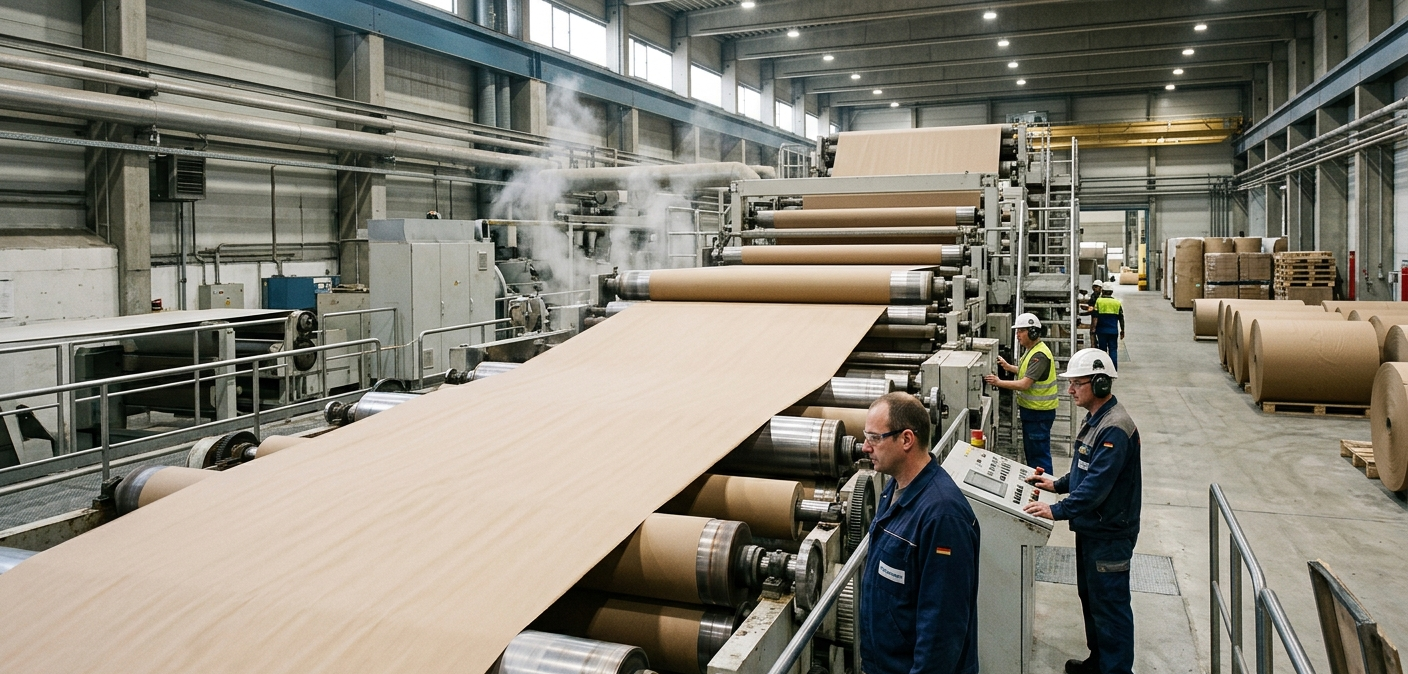
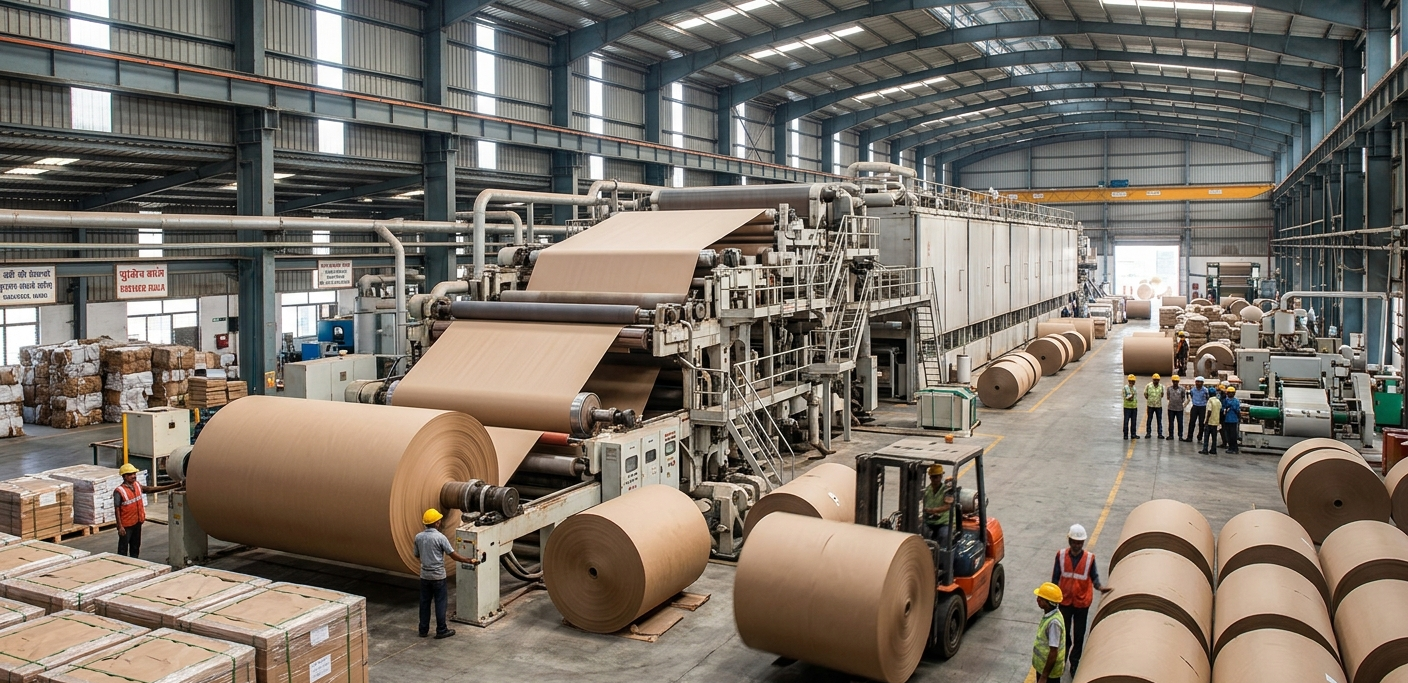
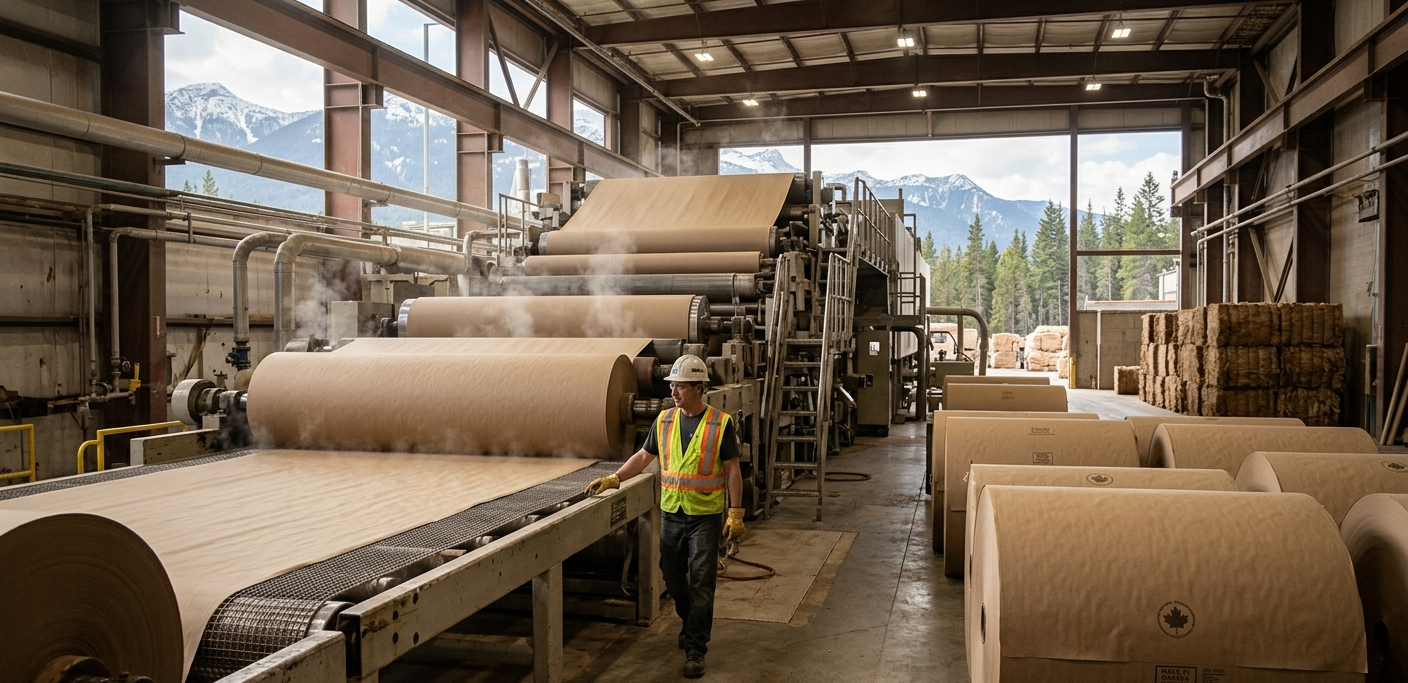
Here is why: kraft paper — the standard packaging material used globally for industrial wrapping, interleaving, tissue, and void fill — is produced by the kraft (sulfate) pulping process. This process uses sodium sulfide (Na₂S) as a cooking chemical to dissolve lignin from wood fiber. Despite washing and recovery steps in the pulping process, residual sulfur compounds remain in the finished paper — typically at concentrations of 20–200ppm total sulfur in standard kraft and newsprint grades.
At these sulfur concentrations, the paper off-gases H₂S continuously at ambient temperature and humidity. When silver-plated components are packaged with or near standard paper — wrapped in it, interleaved with it, or stored in boxes lined with it — the H₂S released by the paper accumulates in the package headspace and reacts with the silver surfaces.
| Key fact: In a sealed package at room temperature, H₂S from standard kraft paper can reach headspace concentrations sufficient to produce visible silver tarnish within 72 hours. Over weeks or months of warehouse storage, the tarnish progresses from discoloration to complete surface coverage. |
The 5ppm Threshold — Why This Number Defines Electronics-Grade Paper
The <5ppm sulfur specification for electronics-grade packaging paper is derived from empirical testing of H₂S emission rates from paper at various sulfur concentrations, correlated against silver tarnish formation rates at room temperature.
At total sulfur content above approximately 5–8ppm in the paper, H₂S off-gassing under ambient conditions (23°C, 50% RH) is sufficient to produce detectable Ag₂S on silver surfaces within the standard component shelf life period of 12–24 months.
Below 5ppm sulfur, H₂S emission from the paper is low enough that silver surfaces in contact with or packaged near the paper do not develop detectable tarnish within this shelf life period under correct storage conditions.
This is why electronics manufacturers — from major LED OEMs to SMD connector producers — specify <5ppm sulfur content as a mandatory incoming material requirement for any paper used in component packaging. It is not a premium specification. It is a minimum threshold below which tarnish is prevented and above which it is not.
How to Identify Whether Your Tarnish Is Paper-Sourced
If you are experiencing silver tarnish and want to confirm whether packaging paper is the cause before changing your material, use this simple diagnostic:
- Place 3–5 clean silver-plated brackets in a sealed plastic bag with a sample of your current packaging paper. Place an equal number in a sealed bag without paper. Store both at room temperature for 7 days.
- At 7 days, inspect both sets under magnification. If the brackets in the bag with paper show tarnish and those without paper do not, the paper is confirmed as the H₂S source.
- Repeat with a piece of sulfur-free paper (<5ppm certified) alongside your current paper. The result with sulfur-free paper should match the no-paper control.
This test takes 7 days and costs almost nothing. It confirms the paper causation and provides the data to justify changing your packaging material specification to your procurement and quality teams.
Common Misconceptions About Silver Tarnish in Component Packaging
- ‘We use acid-free paper, so there is no sulfur problem’: Acid-free paper controls pH — it does not control sulfur content. Many acid-free papers are produced by alkaline papermaking but still contain significant sulfur residues from pulp chemistry. Acid-free does not equal sulfur-free.
- ‘The tarnish only happens in high humidity’: While humidity accelerates H₂S-driven tarnish (by facilitating the surface reaction), tarnish occurs at normal room humidity (40–60% RH) when H₂S concentrations are sufficient. Low humidity does not prevent paper-sourced tarnish — it only slows it.
- ‘The tarnish is from atmospheric pollution in our warehouse’: Standard warehouse environments in urban industrial areas contain H₂S in the 0–5 ppb range — well below the concentration needed to tarnish silver at measurable rates over component shelf life periods. Paper-sourced H₂S concentrations inside sealed packages are typically 100–1,000× higher than ambient atmospheric levels.
- ‘Gold-plated parts don’t need sulfur-free paper’: While gold is less reactive than silver with H₂S, gold-plated surfaces with exposed underlying copper or nickel layers can still experience sulfide-related surface contamination that affects bonding and solderability. Sulfur-free paper is recommended for all plated metal components where surface chemistry integrity is critical.
The Solution: <5ppm Sulfur-Free Packaging Paper
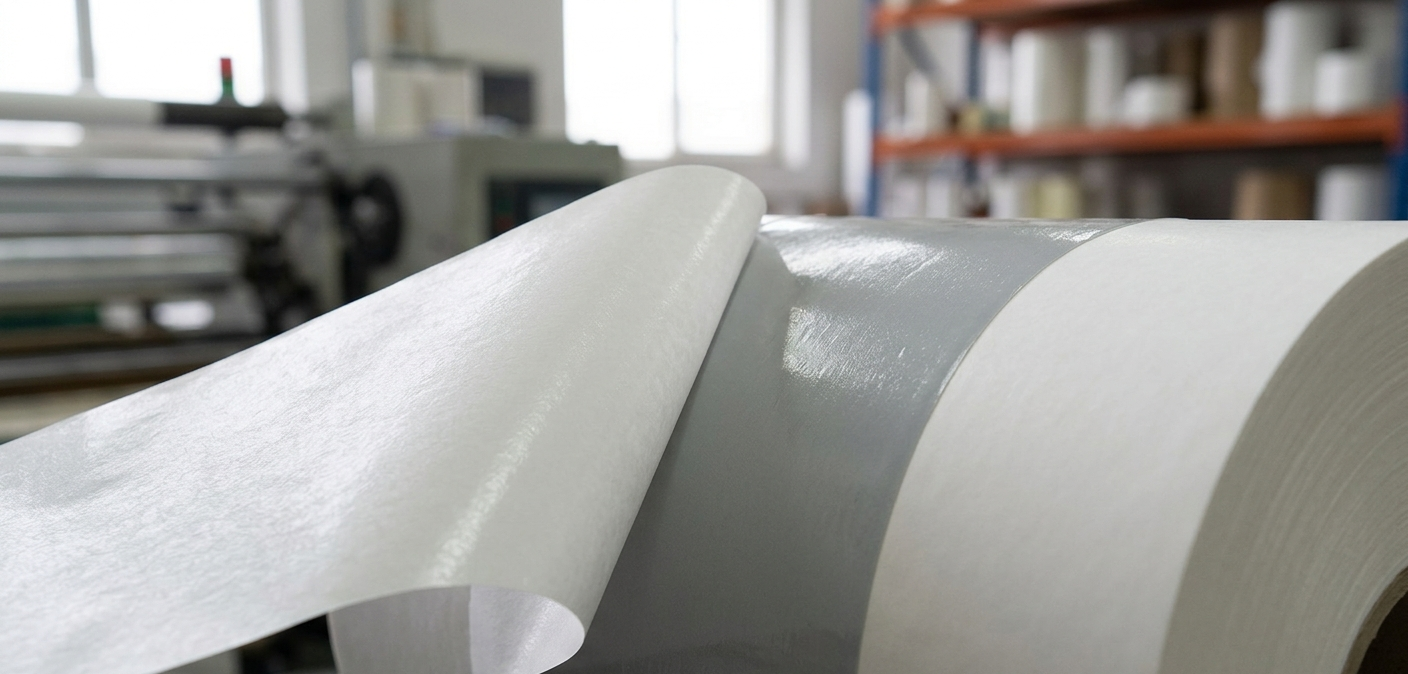
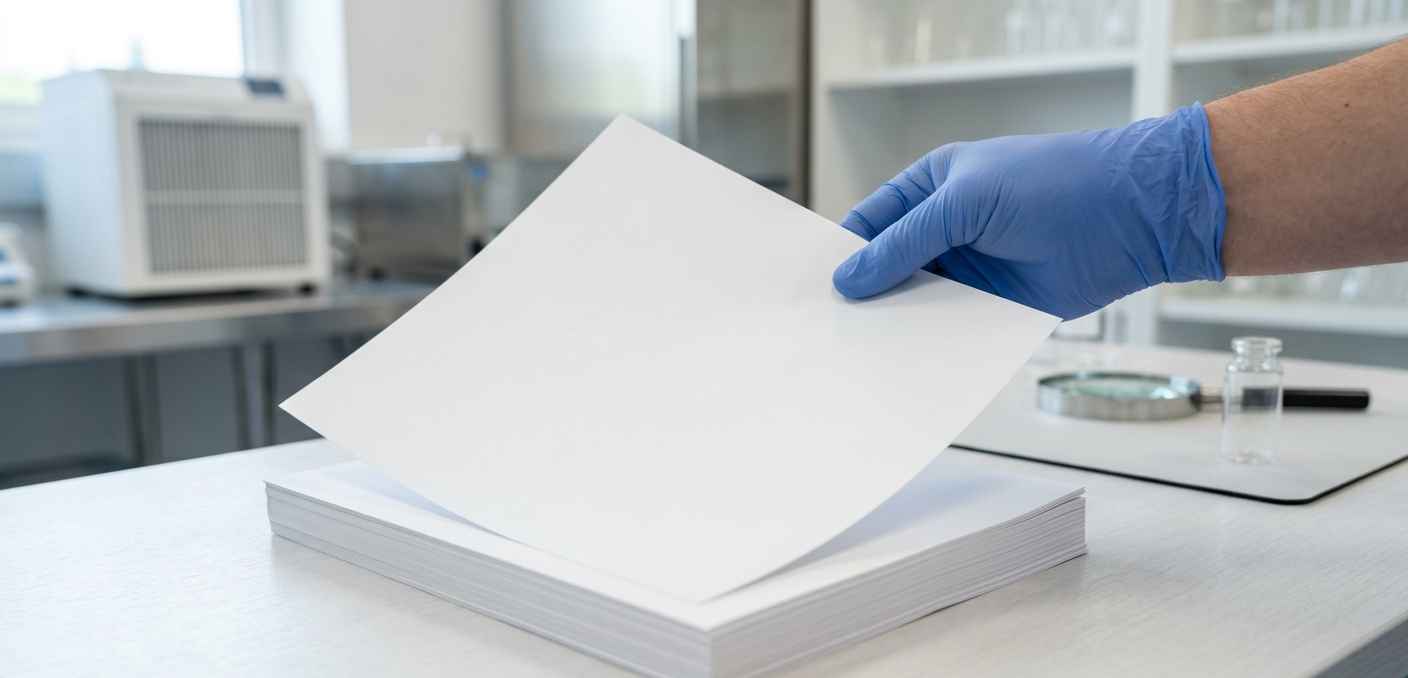
The fix is straightforward: replace standard kraft or tissue packaging paper with sulfur-free packaging paper — a specialty paper manufactured and tested to confirm sulfur content below 5ppm, with pH controlled at 7.0–8.5 (acid-free).
The cost premium for sulfur-free paper over standard kraft is typically 15–30% at equivalent gsm and width — a minor increase relative to the cost of rejected components, customer returns for optical failure, or re-cleaning operations before assembly.
When specifying sulfur-free paper for your procurement team, require: (1) sulfur content <5ppm verified by XRF analysis, (2) pH 7.0–8.5, and (3) batch-level test reports with every shipment. A supplier who cannot provide batch-level sulfur test reports is not actually controlling sulfur content — they are relying on a general grade claim.
| Kangchuang Paper supplies sulfur-free packaging paper with <5ppm sulfur verified by XRF per batch, pH 7.0–8.5, and test reports included with every shipment. Custom widths from 20mm to 1,200mm for SMD bracket wrapping and component taping. Free samples via DHL Express to USA. → kangchuangpapers.com/product/smd-bracket-packaging-paper/ |
Frequently Asked Questions
How quickly does tarnish form on silver brackets from standard paper?
Under typical warehouse conditions with standard kraft paper, visible Ag₂S tarnish on silver-plated brackets can form in as little as 72 hours inside a sealed package. At 2–4 weeks, discoloration is usually pronounced. Long-term storage (3–12 months) with standard paper typically produces complete surface coverage.
Does the 5ppm threshold apply to all silver-plated components?
Yes — the 5ppm threshold is the standard specification for all silver-plated surfaces in electronics packaging. Components with thinner silver plating (such as flash silver on connectors) may show tarnish faster than thick-plated surfaces, but the specification applies to all applications involving silver contact.
Can tarnished brackets be cleaned and used?
Ag₂S tarnish can be removed by chemical cleaning (silver-specific cleaning agents) or mechanical polishing, but this adds process steps, risks surface damage, and may not fully restore optical reflectivity for LED applications. Prevention with sulfur-free paper is significantly more economical than remediation.
What is the difference between antistatic and sulfur-free paper for SMD brackets?
Antistatic paper controls electrostatic discharge — important for ESD-sensitive components. Sulfur-free paper controls H₂S tarnish — essential for silver-plated surfaces. Some SMD bracket applications require both properties simultaneously, which Kangchuang’s white antistatic sulfur-free paper addresses.