跳到内容
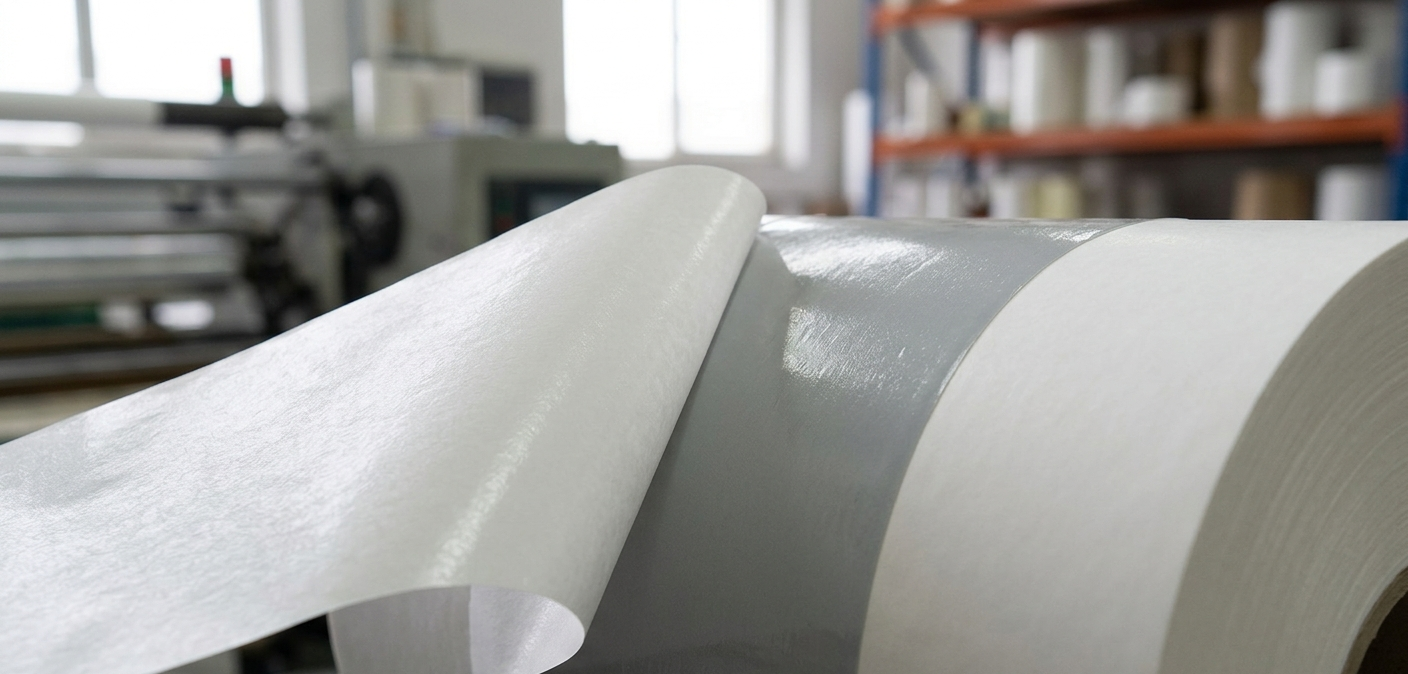
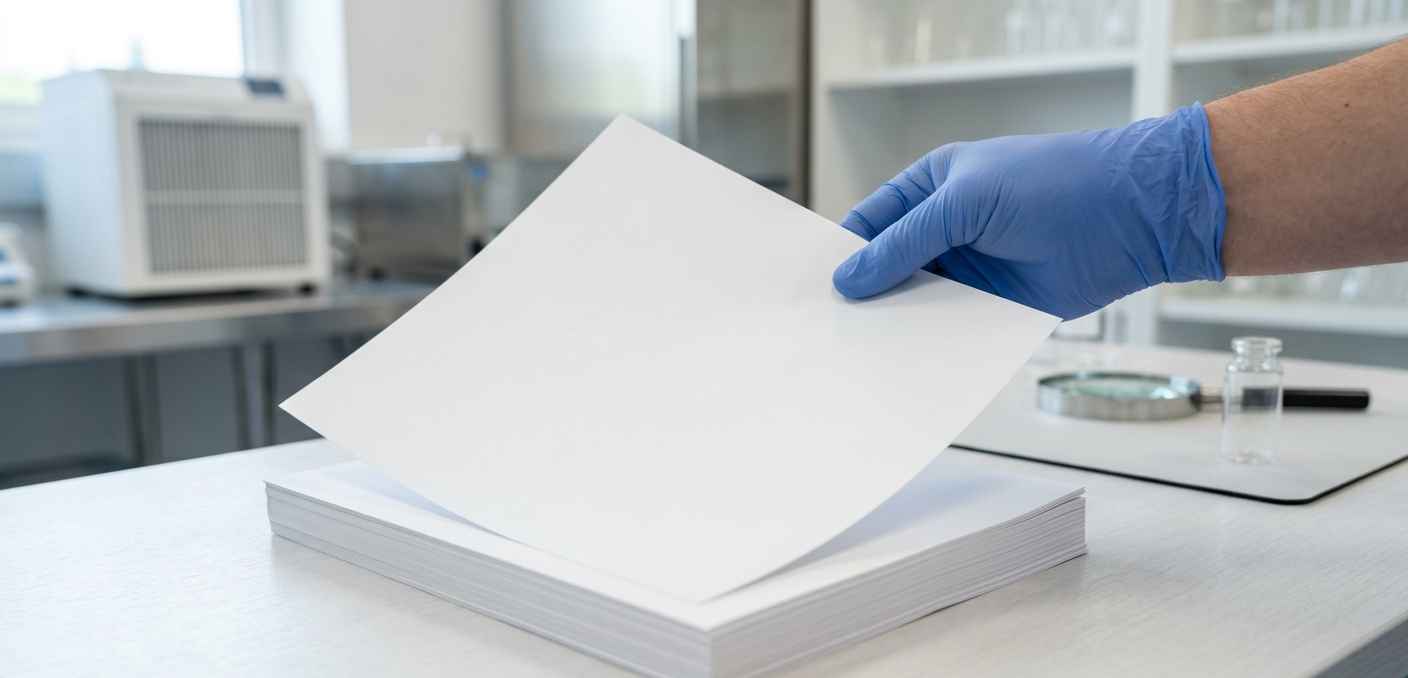
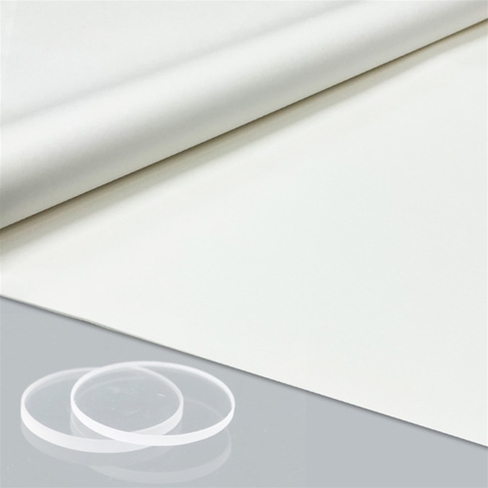
跳到内容 Kangchuang Paper’s photovoltaic platform paper is a precision-engineered specialty paper designed for use on the handling platforms, conveyor surfaces, and staging areas of solar cell production line equipment — including stringer machines, tabbing machines, cell sorters, EL inspection conveyors, and module assembly platforms. The paper provides a clean, smooth, anti-static, and non-abrasive surface between production equipment and fragile silicon solar cells (156mm, 166mm, 182mm, and 210mm formats), preventing the surface scratches, microcrack damage, particle contamination, and electrostatic charge accumulation that cause solar cell yield loss in high-speed automated photovoltaic manufacturing. Available in roll and sheet format in custom dimensions matched to your production equipment platform, with acid-free chemistry and controlled particle generation compatible with PV clean room environments. Free DHL Express samples to USA solar module manufacturers.
In high-speed photovoltaic cell production, silicon solar cells (fragile, brittle wafers 160–180μm thin) travel through multiple automated handling stations — cell testers, EL inspection conveyors, stringer machine input magazines, tabbing machine platforms, and module assembly tables. At each handling stage, the cell contacts a physical surface — typically a rubber conveyor belt, a plastic tray, or a textile-covered platform.
Platform paper is placed as a replaceable, clean interface layer between the permanent equipment surface and the cell, providing a consistently clean, smooth, anti-static surface for cell contact without requiring frequent equipment surface cleaning. The paper is replaced at scheduled intervals (daily, weekly, or by cell count) maintaining clean-surface conditions without process interruption.
The yield impact of incorrect platform paper selection is significant: scratched passivation layers detected in EL inspection, particle contamination under cell metallization, and microcrack propagation from point-contact stress are all directly attributable to platform surface quality. In mass production at 2,000+ cells per hour, even a 0.1% yield improvement from better platform paper translates to significant production output.
Solar cell dimensions have evolved rapidly through M2 (156×156mm), M6 (166×166mm), M10 (182×182mm), and G12 (210×210mm) standard formats, with custom sizes for specific module designs. Our photovoltaic platform paper is produced in roll widths compatible with all current cell formats, and custom-cut sheets are available for tray liners and magazine dividers in any of these dimensions. When ordering, specify your cell format and equipment platform dimensions for precise width recommendation.
Stringer Machine Input Magazines: Platform paper lines the cell magazines in stringer machines — the stack of cells awaiting string assembly. The paper prevents cell-to-cell sticking and provides a clean separation surface between cells during automated de-stacking.
Tabbing/Interconnect Machine Conveyors: Platform paper on the conveyor surface of tabbing machines provides a clean, non-stick interface for cells during flux application and ribbon tabbing processes.
EL Inspection Conveyors: Anti-static platform paper prevents static charge buildup during the dark-condition EL inspection process, where static could interfere with imaging equipment and cause cell misalignment.
Cell Sorter and Grader Platforms: Platform paper in cell sorting equipment provides consistent surface conditions for IV measurement accuracy and prevents surface contamination between cells of different power classes.
| SPECIFICATION | DETAILS |
| Surface | Smooth calendered — low particle generation, non-abrasive |
| Antistatic Treatment | Surface-applied dissipative treatment | Surface resistance: 10⁷–10¹⁰ Ω/sq |
| pH Value | 7.0–8.5 (acid-free) |
| Available GSM | 60gsm | 80gsm | 100gsm | 120gsm |
| Color | White — standard | Light gray — on request |
| Roll Width | 100mm to 800mm — custom to equipment platform specification |
| Sheet Dimensions | Custom cut to cell format or equipment dimension — up to 500×500mm standard |
| Compatible Cell Formats | M2 (156mm) | M6 (166mm) | M10 (182mm) | G12 (210mm) | Custom |
| Caliper Uniformity | ±5% of specified gsm across paper area |
| Compressibility | Controlled — consistent surface contact under cell weight without point stress |
| Thermal Stability | Stable to 120°C — compatible with pre-heating stage environments |
| MOQ | 2 rolls for sample | 500kg for production |
| Lead Time | 5–7 days (samples) | 10–15 days (production with antistatic treatment) |
| Shipping | DHL Express (USA samples — free) | FOB Dongguan (production) |
| Documentation | Surface resistance test report | pH certificate | Particle count test result |
Photovoltaic platform paper is a specialty paper placed on the handling platforms, conveyor surfaces, and staging areas of solar cell production equipment to provide a clean, smooth, anti-static interface between the equipment surface and fragile silicon solar cells. It is used in stringer machine input magazines, tabbing machine conveyors, EL inspection conveyors, cell sorters, and module assembly staging tables. The paper is replaced at regular intervals to maintain clean surface conditions without requiring full equipment surface cleaning shutdowns.
Standard paper (kraft, newsprint, office copy paper) fails in PV production applications for multiple reasons: surface roughness scratches silicon cell passivation layers during cell contact and sliding; fiber particles shed from the paper surface contaminate cell metallization; standard paper is not antistatic and allows static charge buildup that causes cells to cling to surfaces and attract contamination; and standard paper may be acidic, potentially contributing ionic contaminants to sensitive cell surfaces. PV platform paper addresses all four of these failure mechanisms with appropriate specifications.
Our photovoltaic platform paper is produced in roll widths and cut-sheet dimensions compatible with all current commercial solar cell formats: M2 (156×156mm), M6 (166×166mm), M10 (182×182mm), and G12 (210×210mm), as well as custom non-standard cell dimensions for specific module designs. Specify your cell format and equipment platform dimension when requesting a sample or quote.
For conveyor and platform surface lining in high-speed automated equipment: 80–100gsm provides the right balance of compressibility (for uniform cell contact) and durability (for multi-shift use before replacement). For cell magazine interleaving: 60–80gsm provides a thinner layer that minimizes stack height impact while providing the surface protection and anti-static functions. For heavy-duty platform surfaces in manual assembly areas: 100–120gsm provides greater durability under repeated manual cell placement.
Replacement interval depends on production speed, cell handling volume, and cleanliness requirements. As a general guide for high-speed automated lines (2,000+ cells/hour): daily replacement at shift start is common practice. For slower lines or manual staging: replacement every 2–3 days or when visible surface contamination is observed. The paper’s antistatic properties may gradually reduce over time as the surface accumulates contamination — replace before performance degradation is observed rather than waiting for visible failure.
Yes — antistatic properties are important for solar cell platform paper in automated handling equipment. Silicon cells are electrically sensitive and static charge causes cells to cling to handling surfaces (disrupting automated de-stacking), attract particulates to cell surfaces, and interfere with EL inspection equipment in dark-room conditions. Our antistatic platform paper (surface resistance 10⁷–10¹⁰ Ω/sq) prevents all three mechanisms.
Yes. We work with PV manufacturers using equipment from leading Chinese PV machine makers including Automate, Mondragon Assembly, Teamtechnik, Baccini, and others. Platform paper dimensions for specific equipment models are available — provide your equipment model and platform dimension and we will confirm compatibility or produce to specification.
Both formats are available. Roll format is preferred for automated dispensing equipment and conveyor lining applications where the paper is fed continuously from a roll dispenser. Sheet format (pre-cut) is preferred for manual platform lining, cell magazine liners, and staging table pads where individual sheets are placed and replaced by hand.
Our photovoltaic platform paper is thermally stable to 120°C — sufficient for the pre-heating stages of stringer and tabbing machines where platform temperatures may reach 80–100°C. Above 120°C, the paper begins to discolor and lose structural integrity. If your equipment platform reaches temperatures above 120°C at the paper contact point, please contact us to discuss high-temperature platform paper grades.
Platform paper can be ordered in roll format and cut in your facility with a standard paper cutter or guillotine. For large-volume operations with consistent platform dimensions, pre-cut sheets from our factory are more efficient and consistent (±2mm cutting tolerance). For multi-format facilities where platform paper is cut to different sizes on demand, roll format provides more flexibility.
Every batch of photovoltaic platform paper includes: surface resistance test report (values at 30% and 50% RH), pH measurement certificate, and particle count test result from surface inspection. For customers with formal incoming quality inspection requirements, we can provide a supplier certificate of conformance on company letterhead. Third-party testing is available at additional cost with prior arrangement.
Yes. We ship photovoltaic platform paper to solar cell manufacturers, module assembly facilities, and PV equipment companies throughout the United States. Sample rolls or sheets ship via DHL Express (3–5 business days) at no charge. Production orders ship FOB Dongguan by sea freight. Contact us with your equipment platform dimension, cell format, gsm, and US delivery location for a complete quotation.
Kangchuang Paper specializes in high-quality industrial papers — sulfur-free, coated, release, and anti-rust. Tell us your requirements and we’ll recommend the right grade with fast turnaround.