Zum Inhalt springen
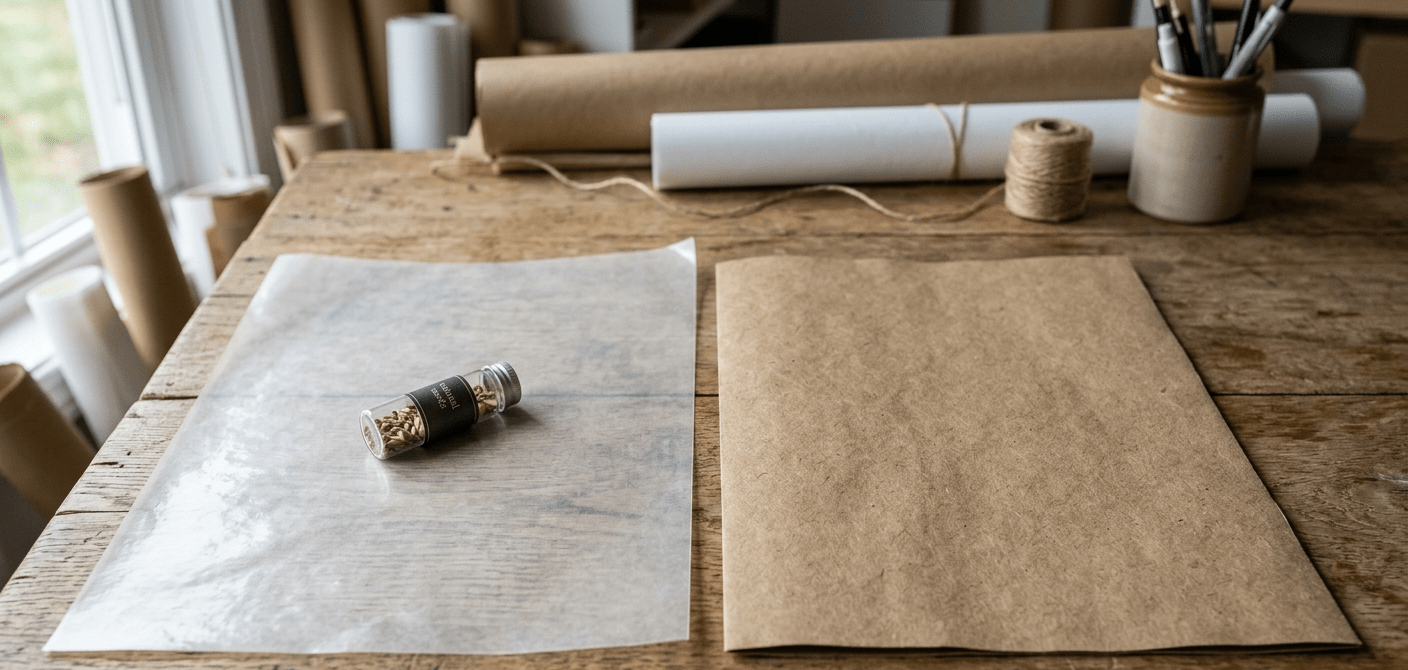
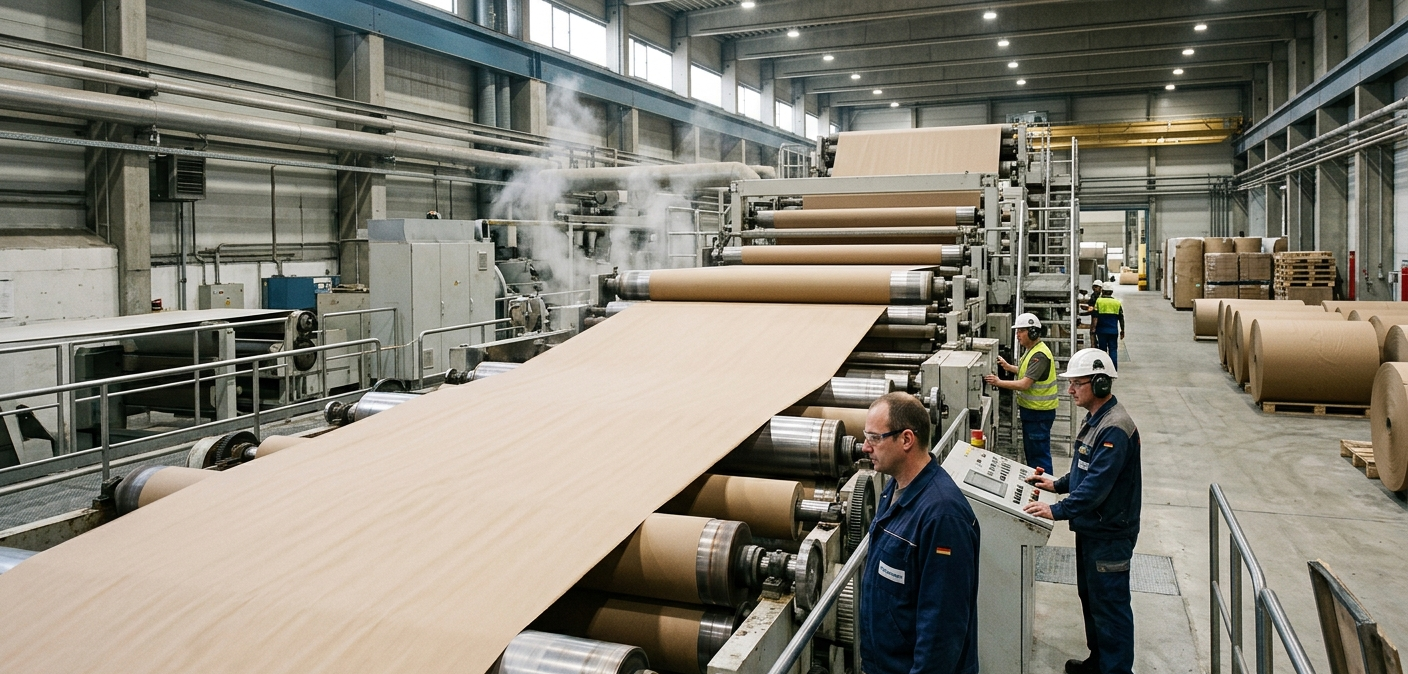
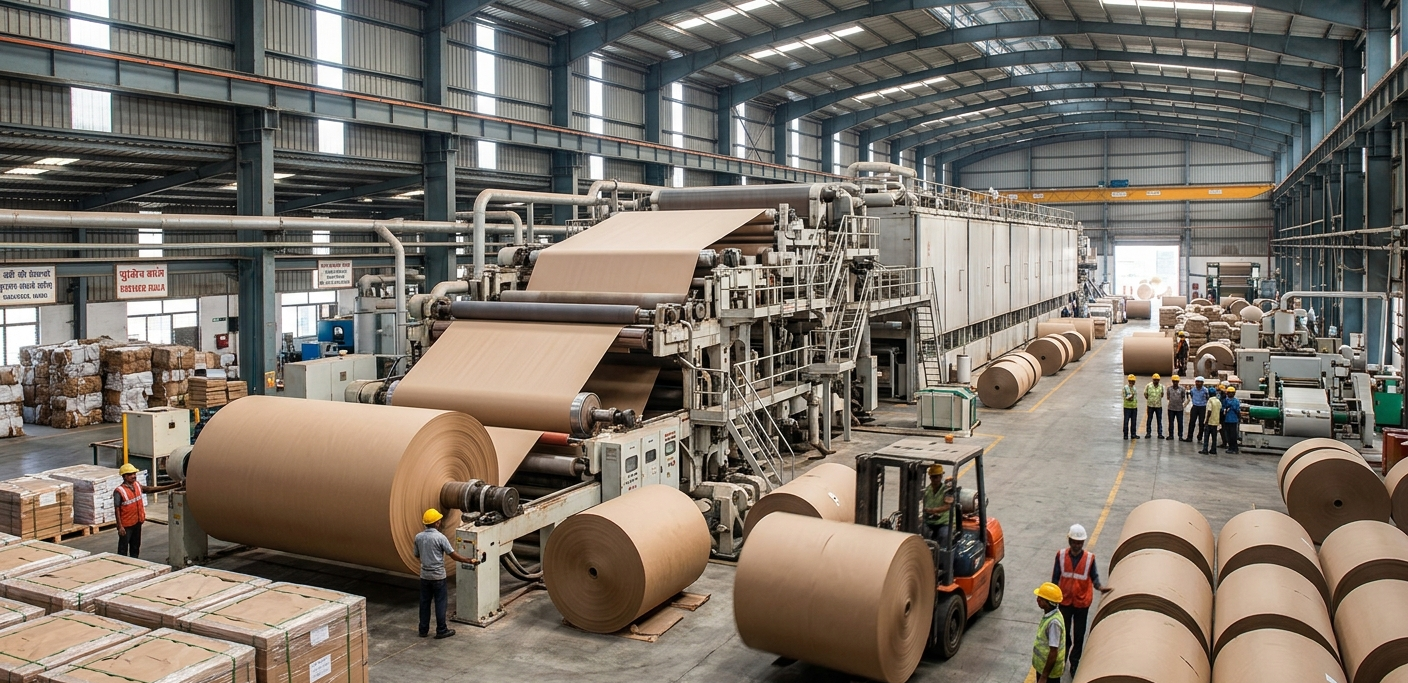
For packaging buyers choosing between glassine paper and kraft paper for an industrial application, the decision comes down to one fundamental question: does the application need a barrier property that only glassine provides, or does it need the mechanical strength that kraft provides? These are not interchangeable substrates despite the fact that both are paper-based. Glassine has been supercalendered to near-transparency and near-impermeability to air, moisture, and grease — properties that kraft paper, even at 180 GSM, cannot match regardless of weight. Kraft paper has tensile strength and tear resistance that glassine at equivalent weight cannot approach.
Specifying kraft paper for an electronics PCB interleaving application where the board runs through automated pick-and-place — and discovering that kraft paper’s particulate shedding contaminates the solder paste — is an application mismatch that costs $5,000–$15,000 in rework per production run. Specifying glassine for a heavy-duty pallet wrapping application where tensile strength is the only performance requirement is paying $3–$5/kg more than necessary for barrier properties you are not using.
This guide covers what glassine paper and kraft paper actually are structurally, the performance properties that differentiate them, the specific applications where each wins, and a decision matrix for the industrial packaging scenarios where both are considered.
What Glassine Paper Actually Is — and How It Differs From Kraft
| Property | Glassine Paper | Kraft Paper |
|---|---|---|
| Manufacturing process | Wood pulp paper, super-calendered under high pressure/temperature to collapse fibre structure | Kraft (strong) pulp paper, typically unbleached; dried without heavy calendering |
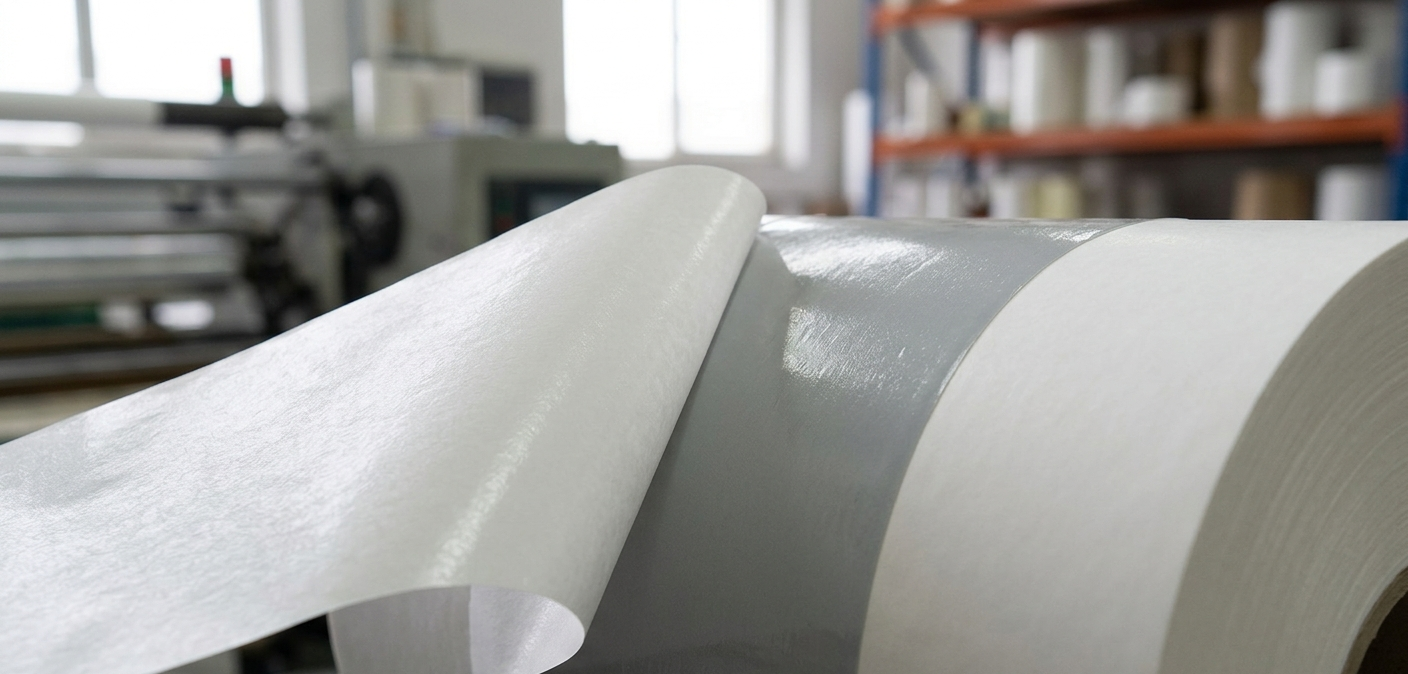
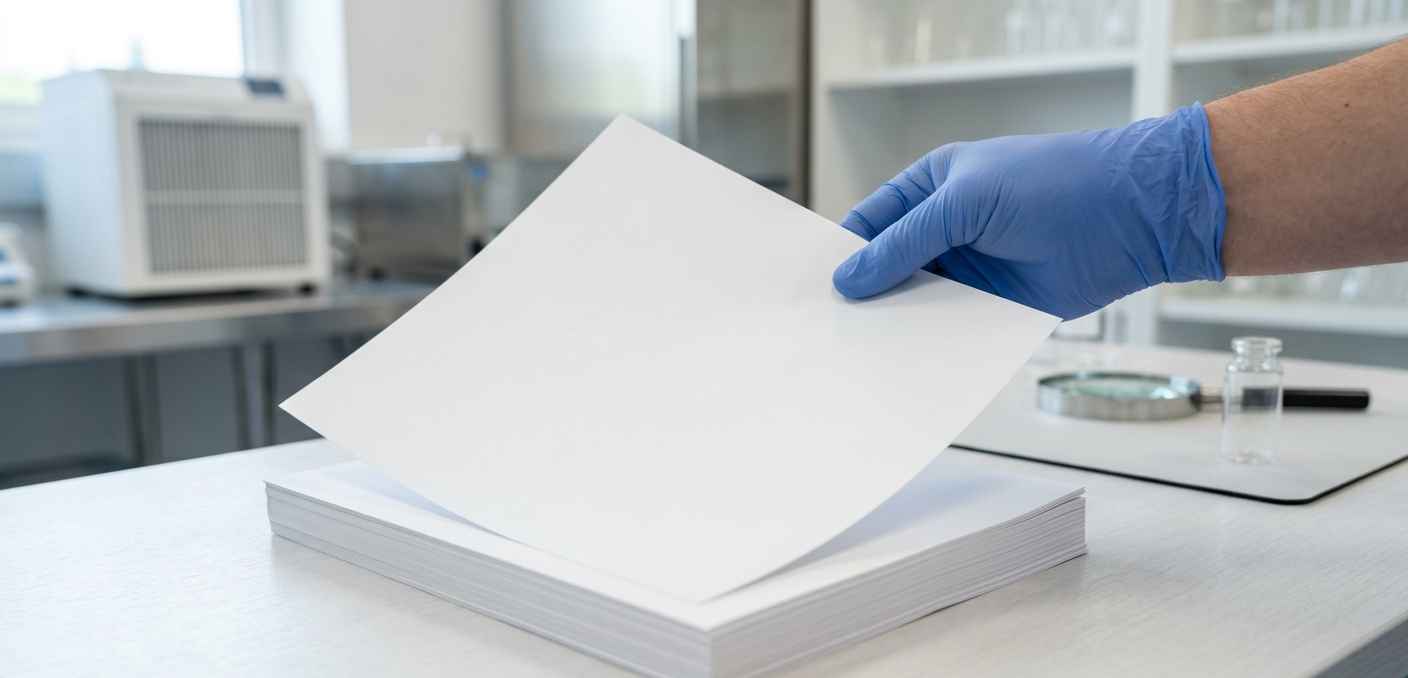
| Appearance | Semi-transparent, smooth, glossy | Brown/cream, opaque, rougher surface |
| Density/opacity | Semi-transparent — light passes through | Fully opaque |
| Basis weight range | 25–120 GSM (most applications 40–80 GSM) | 40–180 GSM |
| Grease resistance | Excellent — supercalendering closes fibre gaps | Low to moderate — grease penetrates unless coated |
| Air permeability | Very low — near-impermeable to air | High — permeable to air and humidity |
| Moisture resistance | Moderate — better than kraft but not waterproof | Low — absorbs moisture readily unless coated |
| Tensile strength | Low for weight — supercalendering reduces fibre bond | High — kraft pulp process specifically preserves tensile strength |
| Tear resistance | Low — tears easily along fibre direction | High — fundamental kraft strength property |
| Particulate shedding | Very low — closed fibre structure | Moderate — open fibre structure sheds fibres |
| Food contact compliance | FDA 21 CFR 176 compliant (uncoated) | FDA 21 CFR 176 compliant (unbleached, uncoated) |
| Cost per kg | Higher — $1.50–$2.80/kg | Lower — $0.80–$1.60/kg |
Where Glassine Paper Wins: The Specific Applications
1. Electronics and PCB Interleaving
Glassine’s near-zero particulate shedding and low air permeability make it the standard interleaving material between PCB layers during assembly and shipping. Kraft paper’s open fibre structure sheds fibres that contaminate solder paste and oxidise copper traces. Glassine’s closed supercalendered surface produces a smooth, particle-free interface that protects sensitive component surfaces without contamination risk. Standard specification: 40–60 GSM glassine, sulfur-free, anti-tarnish compound applied or built into the pulp for precious metal protection.
2. Release Liner Applications
Glassine’s smooth, closed surface provides the uniform coating surface required for silicone release liner production. Pressure-sensitive adhesive labels, medical dressings, and industrial tapes use glassine as the release liner base — kraft paper’s rough, absorbent surface cannot accept the uniform silicone coating required for consistent release force. The global release liner market almost exclusively uses glassine as the base substrate.
3. Food Packaging with Grease Resistance Requirements
Butter wrappers, sandwich paper, bakery interleaving, and charcuterie wrapping require grease resistance that uncoated kraft cannot provide. Glassine’s supercalendered structure provides inherent grease resistance (FDA 21 CFR 176 compliant) without additional coating — reducing cost and maintaining food contact compatibility. For premium bakery and deli applications where the packaging is customer-facing, glassine’s smooth, semi-transparent appearance also provides aesthetic value.
4. Pharmaceutical and Medical Packaging
Pharmaceutical blister pack base materials, sachet liner papers, and medical device wrap use glassine for its near-impermeability to air and moisture (without the barrier properties of foil-laminated structures), FDA compliance, and low particulate generation. Where full aluminium foil barrier is not required but a degree of moisture protection is needed, glassine outperforms kraft in pharmaceutical packaging.
5. Precision Metal Component Interleaving
Bearing races, precision gear components, and optical elements use glassine interleaving to prevent metal-to-metal contact, corrosion, and scratching during shipping. Glassine’s sulfur-free formulation (critical — standard paper contains sulfur compounds that tarnish silver, copper, and certain precious metals) and smooth surface prevent the abrasion and galvanic corrosion that rough kraft paper would cause on polished precision surfaces.
Where Kraft Paper Wins: The Specific Applications
1. Heavy Packing and Void Fill
Kraft paper’s tensile strength (3–5× glassine at equivalent weight) makes it the only suitable paper substrate for pallet wrapping, case lining, and high-force void fill applications. Glassine tears immediately under the mechanical stress of pallet-level packaging operations.
2. Industrial Wrapping for Large Parts
Machined parts, structural components, and heavy industrial products wrapped for transit use 90–120 GSM kraft paper. The tensile strength survives the wrapping tension and handling forces that would split glassine.
3. Multi-Wall Industrial Bags and Sacks
Multi-wall kraft bags for cement, flour, chemical granules, and building materials require the tensile and burst strength that only kraft provides. Glassine has no role in sack and bag applications.
4. E-Commerce Void Fill and Cushioning
Crumpled kraft provides the elastic void fill properties (spring-back after compression) that glassine cannot provide — glassine doesn’t crumple into effective cushioning due to its brittle supercalendered structure.
Decision Matrix: Glassine vs Kraft Paper
| Application | Use Glassine | Use Kraft | Reason |
|---|---|---|---|
| PCB / electronics interleaving | Yes — zero particulate shedding | No — fibre shedding contaminates | Cleanliness and low particulate generation |
| Release liner base | Yes — required | No — surface too rough for silicone coating | Smooth, closed surface required |
| Grease-resistant food wrap | Yes — inherent grease resistance | Only if coated (adds cost) | Glassine provides uncoated grease resistance |
| Pharmaceutical sachet liner | Yes — air/moisture control | No — too permeable | Near-impermeability to air and moisture |
| Precision metal interleaving | Yes (sulfur-free grade) | No — sulfur tarnishes metals | Sulfur-free, smooth, non-abrasive surface |
| Pallet wrapping | No — tears | Yes — tensile strength | Mechanical strength requirement |
| Void fill / cushioning | No — no spring-back | Yes — crumples into effective cushioning | Elastic void fill properties |
| Multi-wall industrial bags | No | Yes | Burst and tensile strength |
| E-commerce gift wrap | Yes — premium look | Yes — natural look | Both work; cost and aesthetics determine choice |
| Heavy industrial parts wrap | No — tears | Yes | Tensile and puncture resistance |
Frequently Asked Questions
What is glassine paper made of?
Glassine paper is made from wood pulp that has been beaten to a high degree of freeness (long, refined fibres) and then supercalendered under heavy pressure and temperature between polished steel rollers. This supercalendering process compresses and densifies the paper, collapsing the air voids between fibres, which creates the semi-transparent, smooth, and relatively impermeable surface that distinguishes glassine from other papers. No coating is applied — the barrier properties come entirely from the physical compression of the fibre network. The resulting paper has very low air permeability, smooth surfaces, and excellent grease resistance.
Is glassine paper food safe?
Yes. Uncoated glassine paper manufactured from virgin wood pulp complies with FDA 21 CFR 176 food contact paper requirements. Glassine’s smooth, low-particulate surface and freedom from printing inks or coatings makes it suitable for direct food contact applications including butter wrapping, bakery interleaving, charcuterie wrap, and deli paper. For pharmaceutical applications, glassine must also comply with relevant USP or pharmacopoeia specifications depending on the device class and regulatory jurisdiction.
Can glassine paper replace kraft paper for PCB interleaving?
Yes — and it is the correct replacement. Glassine’s supercalendered, closed fibre structure produces near-zero particulate shedding, making it the appropriate choice for PCB interleaving applications where kraft paper’s fibre shedding would contaminate solder paste or oxidise exposed copper traces. The correct specification for PCB interleaving glassine is: 40–60 GSM, sulfur-free (confirmed by sulfur-free test report), with volatile corrosion inhibitor (VCI) compound if copper or tin protection over extended storage is required.
What is the cost difference between glassine and kraft paper?
Glassine paper costs approximately $1.50–$2.80/kg depending on grade (sulfur-free, anti-tarnish, release-liner grade) and order volume. Standard unbleached kraft paper costs $0.80–$1.60/kg. The glassine premium of 50–100% over kraft is driven by the additional supercalendering processing and the higher-quality fibre required to produce consistent transparency and barrier properties. For applications that genuinely require glassine’s barrier properties (electronics, pharmaceutical, precision metal interleaving), the cost difference is justified. For applications where only mechanical strength or wrapping coverage is needed, kraft at lower cost is the correct specification.
Conclusion: Glassine for Barrier; Kraft for Strength
- Glassine wins when the application requires grease resistance, low air permeability, zero particulate shedding, or smooth non-abrasive surfaces — electronics, pharmaceutical, release liner, food grease wrap
- Kraft wins when the application requires tensile strength, tear resistance, void fill spring-back, or heavy-duty industrial wrapping
- The cost premium of glassine over kraft (50–100%) is justified when its barrier properties are functionally required and not justified when only mechanical coverage is needed