Ir para o conteúdo
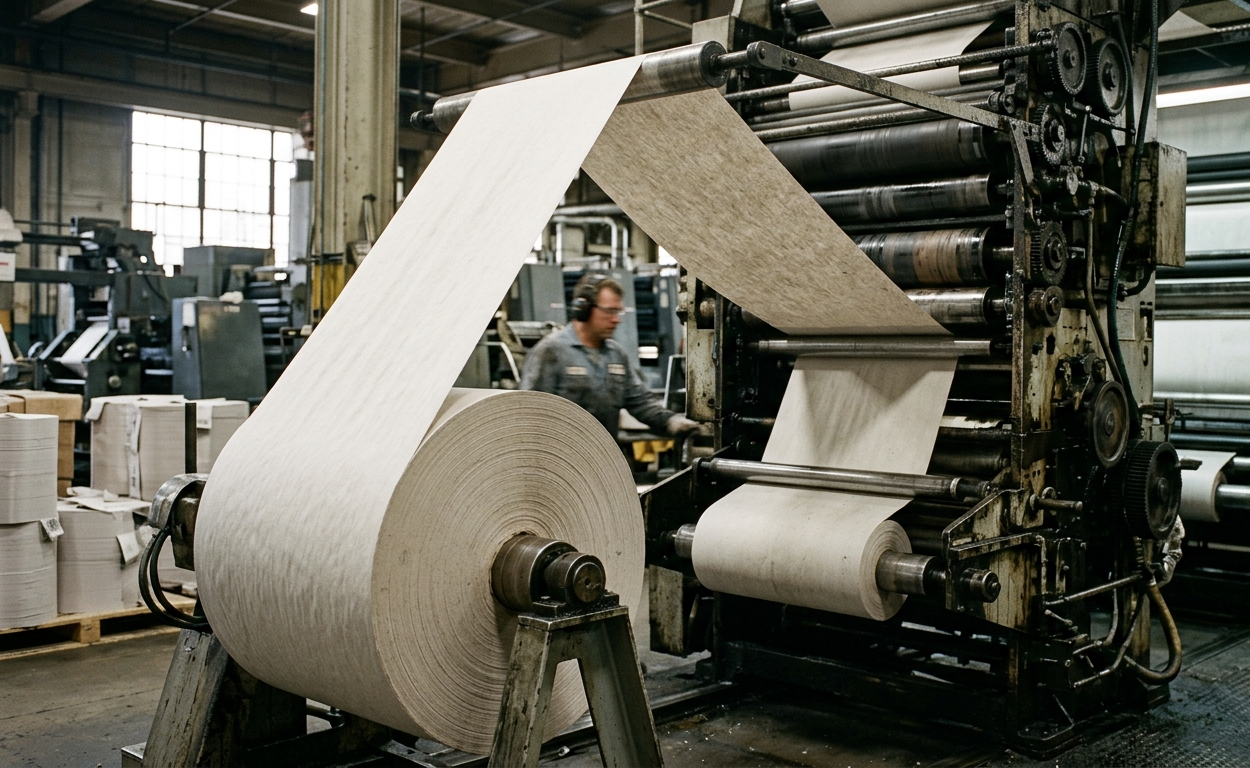
Newsprint is a lightweight, low-cost paper usually 40–52 GSM made mostly from mechanical or recycled pulp. Past printing newspapers, it’s now a packing workhorse for wrapping, void fill, and interleaving, because it’s soft, ink-free in packing grades, cheap by the roll, and fully recyclable. Buyers pick it when they need clean, gentle cushioning at the lowest cost per sheet.
Newsprint has outlived the newspapers it was named for, and then some. Walk through a moving company, an e-commerce warehouse, a pottery studio you’ll find rolls of clean newsprint wrapping, cushioning, and separating goods. The same traits that made it good for printing a daily paper (light, soft, cheap, absorbent) turn out to make it excellent for protecting products. Funny how that worked out.
I get a steady trickle of buyers who assume newsprint is a commodity, one roll same as the next. It isn’t. Grade, weight, brightness, printed versus clean all of it changes how the paper performs and what it costs you. So here’s what newsprint actually is today, how to pick the right grade, and how to buy it without overpaying or ending up with ink smeared across a customer’s white mug.
What Newsprint Paper Really Is
Two things define newsprint: its pulp and its weight. It’s made mostly from mechanical pulp (ground wood) or recycled fiber, not the chemically purified pulp that goes into stronger papers. That keeps it cheap and gives it that soft, faintly rough, absorbent surface. It also makes it weaker and prone to yellowing, because the lignin left in mechanical pulp reacts with light and air over time.
For packaging, the yellowing barely registers the paper’s job is done in days, not decades. What counts is that it’s soft enough not to scratch a surface and cheap enough to use with a free hand. Packing-grade newsprint is normally clean, meaning unprinted, so it won’t offset ink onto your goods. That’s the critical line between it and the stack of old newspapers some people improvise with.
Newsprint Grades and Weights
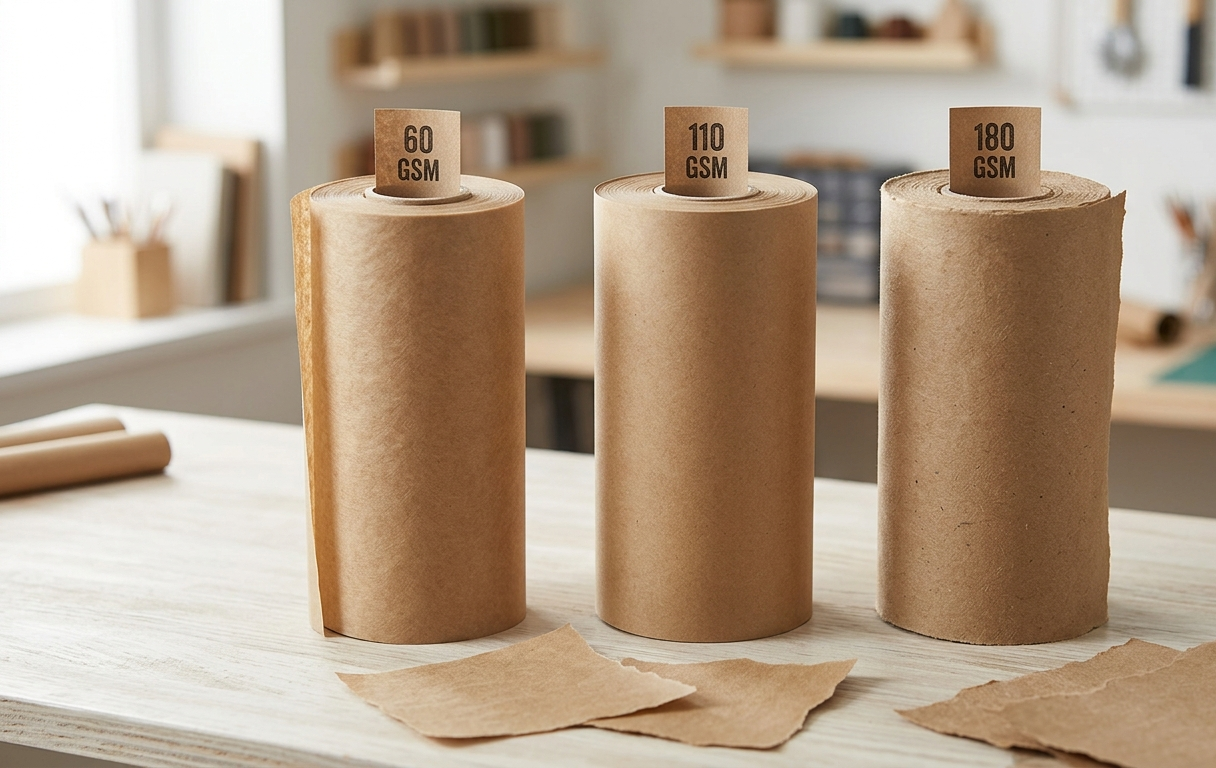
Newsprint paper lives in a narrow weight band. But small differences inside that band change how it handles.
| GSM | Character | Best use |
| 40–45 | Very light, drapes easily | Delicate wrapping, interleaving |
| 45–49 | Standard newsprint | General void fill, wrapping |
| 49–52 | Heavier, more tear-resistant | Heavier items, protective layering |
Brightness and cleanliness vary too. Standard newsprint runs off-white to grey; the higher grades come brighter and cleaner. For most packing, standard clean newsprint is the value pick, no contest. For anything the customer sees — retail-facing wrap — a brighter grade just looks tidier.
Clean Newsprint vs. Recycled Newspaper
This is the shortcut that quietly ruins a shipment. Grabbing used newspapers to save a few dollars feels clever, right up until the ink offsets onto a white ceramic mug or a fabric item and the whole order gets returned. Clean, unprinted newsprint costs a little more than free newspaper, but it carries no ink, no headlines, no transfer risk. For anything where appearance matters, clean is non-negotiable. Keep the used newspaper for the dirtiest, most forgiving jobs and nothing else.
Where Newsprint Beats Kraft (and Where It Doesn’t)
People pitch newsprint and kraft as rivals. They’re not — they solve different problems. Newsprint is softer, lighter, cheaper, more absorbent. Kraft is stronger, more tear-resistant, more premium-looking. We mapped the whole comparison, recycled packing paper included, in newsprint vs. kraft vs. recycled packing paper.
| Fator | Papel de jornal | Papel kraft |
| Cost | Lowest | Moderate |
| Strength | Mais baixo | Mais alto |
| Softness | Very soft (won’t scratch) | Firmer |
| Aparência | Utilitarian | Premium option available |
| Best role | Bulk cushioning, wrapping | Protective wrap, branded packaging |
Short version: reach for newsprint when you need lots of gentle, cheap cushioning, and for kraft when you need strength or a branded unboxing. Plenty of operations stock both and never think twice. If a premium unboxing is your priority, our kraft paper for e-commerce guide covers that side of the bench.
Common Uses for Newsprint Paper
Newsprint paper has wandered a long way from print. The usual packing applications:
- Protective wrapping: dishes, glassware, ceramics, and other scratch-prone items that need a soft layer between them and the world.
- Void fill: crumpled newsprint plugs empty box space cheaply and cushions in transit.
- Interleaving: clean sheets slid between stacked items to stop scratching and sticking.
- Moving and storage: the classic — wrapping household goods for a relocation.
- Craft and industrial: surface protection during painting, drawing practice, general shop use.
Softness is the thread running through all of it. Where kraft might be too stiff and could scuff a delicate finish, newsprint drapes and cushions gently instead.
How to Source Newsprint the Smart Way
A handful of sourcing principles save real money and real headaches:
- Buy clean, not printed: always spec unprinted packing-grade newsprint for anything visible.
- Match weight to the item: lighter for delicate interleaving, heavier for wrapping goods with some heft.
- Order by the roll, not the ream: rolls on a dispenser run dramatically cheaper per sheet and pack faster at the station.
- Confirm the pulp story: recycled-content newsprint strengthens your sustainability position at little or no premium.
- Buy from a paper supplier, not a print-surplus channel: you get consistent weight, cleanliness, and supply instead of whatever happened to be left over.
For volume, working with dedicated suppliers genuinely matters. We break down the leading names in our roundup of the top newsprint paper suppliers in the USA, and you can see our own newsprint product specs directly.
The Sustainability Angle
Newsprint scores well on sustainability for the very reason it’s cheap: high recycled content and easy recyclability. It’s one of the most recycled paper grades on the planet, and clean packing newsprint slots right back into the paper stream after use. For a business ditching plastic void fill, it’s a low-cost, high-credibility swap — and it lines up naturally with the wider move toward eco-friendly paper packaging.
Storing and Handling Newsprint Rolls
Newsprint’s low price tempts people to treat it like it’s disposable before it’s even used, but a little care protects both usability and appearance. Because it’s mechanical-pulp paper, it yellows faster than chemically purified grades under sunlight, so a roll parked by a sunny window can grow a discolored outer layer within weeks fine for void fill, not so great for visible wrapping. It softens if it drinks in humidity, which makes it tear more easily and drape unpredictably. So keep rolls indoors, out of direct light, off bare concrete, and in their wrap until use. And because newsprint is thinner and softer than kraft, it’s more prone to core crush and telescoping when stacked heavy, so store rolls upright or well supported. Minor habits, all of them — but they keep your cheapest packing material clean and reliable instead of turning a bargain roll into a yellowed, wrinkled liability by month’s end.
So don’t let the name fool you. Newsprint is far more versatile than “old newspaper stock” makes it sound. Spec it clean, match the weight to the job, buy it by the roll from a real paper supplier — do that, and it becomes the cheapest reliable cushioning material on your whole bench.
Perguntas frequentes
What is newsprint paper made of?
Mostly mechanical (ground wood) pulp, recycled fiber, or a blend of the two — not the chemically purified pulp that goes into stronger papers. That recipe is what keeps it cheap and gives it the soft, absorbent surface it’s known for. The trade-off is that it’s weaker and it yellows over time, as the lignin in mechanical pulp reacts with light and air. For packaging, though, where the paper’s whole job is finished within days, the yellowing never matters. The softness and the low cost are the entire point.
Is newsprint paper safe for wrapping dishes and glassware?
Yes — as long as you use clean, unprinted packing-grade newsprint and not yesterday’s newspaper. Clean newsprint is soft enough that it won’t scratch a delicate surface, and it carries no ink to offset onto your items, which makes it a natural fit for dishes, glassware, and ceramics. The only real hazard is printed newspaper, where the ink can transfer onto anything light-colored or porous. So for anything where appearance matters even a little, specify clean newsprint and you’ve removed the risk entirely.
What’s the difference between newsprint and kraft paper?
Newsprint is softer, lighter, cheaper, and more absorbent; kraft is stronger, more tear-resistant, and comes in premium-looking grades. Newsprint shines as bulk cushioning and gentle wrapping for scratch-prone goods, while kraft shines wherever you need real strength or a branded, premium unboxing. They complement each other more than they compete, which is why plenty of operations stock both — newsprint for cheap void fill, kraft for protective wrap and presentation. Pick based on whether softness-and-cost or strength-and-appearance is leading the decision.
Why should I buy clean newsprint instead of used newspaper?
Because used newspaper carries ink, and that ink can offset onto your products, wrecking the look of anything light-colored, glossy, or porous. Clean, unprinted newsprint costs only a little more and wipes out that risk completely, while also giving you consistent weight and cleanliness from one roll to the next. For any customer-facing or delicate item, that small premium is nothing next to the cost of ink-smudged returns and the review that comes with them. Save the free newspaper for the dirtiest, most forgiving jobs only.
How much does newsprint paper weigh, and which weight should I choose?
Newsprint usually runs 40–52 GSM. The lighter 40–45 GSM sheets drape easily and suit delicate wrapping and interleaving; standard 45–49 GSM handles general void fill and wrapping; heavier 49–52 GSM gives you more tear resistance for weightier items. Match the weight to whatever you’re actually protecting — lighter for delicate separation between stacked goods, heavier for wrapping things with some heft to them. And buying by the roll in the right weight is what keeps your cost per sheet down at the floor where it belongs.
Sourcing newsprint at volume? Review the top newsprint suppliers in the USA or see our newsprint product page for specifications.
About the Author
Ashley Zack — Technical Content Lead, Kangchuang Papers
Ashley Zack has spent over a decade around industrial and specialty paper from mill-floor production to advising packaging engineers and procurement teams on grade selection. At Kangchuang Papers, they translate hands-on manufacturing experience into practical, jargon-free guidance for buyers sourcing kraft, release, newsprint, and anti-corrosion papers. When a spec sheet and a real-world packing line disagree, they’ve usually seen why firsthand.
Have a sourcing question or a grade you can’t pin down? Get in touch with the Kangchuang Papers team.