Ir al contenido
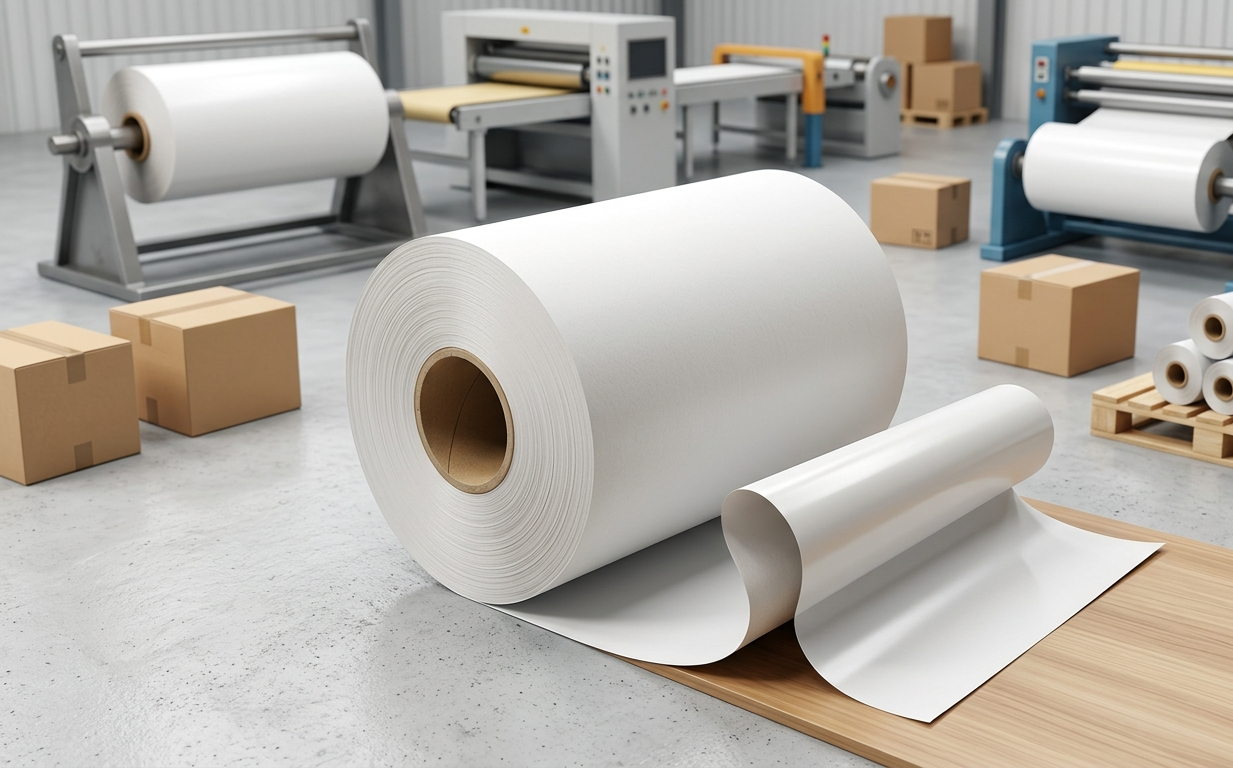
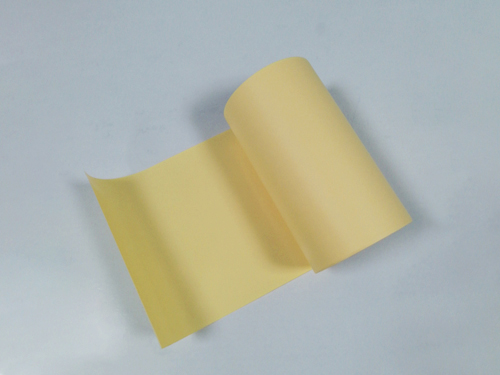
 El papel antiadherente de silicona Kangchuang es un soporte antiadherente con recubrimiento de precisión en el que un sustrato de papel base (glassine, SCK, CCK o kraft recubierto de PE) se recubre con una capa de silicona curada que permite una separación limpia y controlada de los adhesivos sensibles a la presión sin transferencia de adhesivo, sin degradación del mismo y con valores de fuerza de desprendimiento controlados. Disponible en formulaciones de desprendimiento fácil (15–25 cN/cm), medio (25–50 cN/cm) y difícil (50–100+ cN/cm), con opciones de recubrimiento a una o a ambas caras, nuestro papel desprendible está fabricado para productores de material para etiquetas, transformadores de cintas adhesivas, embalaje de dispositivos médicos, fabricación de productos de higiene y laminación de compuestos —directamente desde nuestra planta de Dongguan, certificada según la norma ISO 9001, con muestras gratuitas enviadas por DHL Express a Estados Unidos.
¿Qué es el papel antiadherente de silicona y cómo funciona?
El papel de separación es un sustrato recubierto con un material que presenta una energía superficial muy baja —normalmente silicona curada— lo que impide que los adhesivos formen uniones fuertes con la superficie. En lugar de adherirse, el adhesivo entra en contacto con la superficie de silicona de baja energía mediante fuerzas de van der Waals muy débiles, lo que permite despegarlo limpiamente con una fuerza controlada, sin dejar residuos en el papel antiadherente y sin que el producto pierda su poder adhesivo en el soporte.
El proceso químico es preciso: la silicona sin curar es un polímero líquido. Cuando se aplica sobre el papel y se calienta para curarla (normalmente a 150 °C–200 °C), las cadenas de silicona se reticulan formando una red tridimensional que se fija firmemente a la superficie del papel y presenta una superficie de energía extremadamente baja (aproximadamente 20–22 mN/m de energía superficial) frente a cualquier adhesivo que se aplique sobre ella. Esta baja energía superficial es el mecanismo que da lugar a la propiedad de desmoldeo: los adhesivos no pueden formar uniones fuertes con superficies cuya energía superficial sea inferior a aproximadamente 25 mN/m.
La fuerza de desprendimiento —la fuerza necesaria para separar el soporte del adhesivo a una velocidad y un ángulo de desprendimiento específicos (estandarizados en 180° y 300 mm/min según la norma FINAT FTM3 o equivalente)— viene determinada por la formulación de silicona, la densidad de curado y el gramaje de la capa. Las aplicaciones de silicona más ligeras (0,8-1,2 g/m²) y las formulaciones con menor densidad de reticulación producen una fácil separación. Las aplicaciones más pesadas (1,5-2,5 g/m²) y las densidades de reticulación más altas producen valores de separación más ajustados, necesarios para adhesivos de alta adherencia.
Tipos de papel base: cómo influye la base en el rendimiento del desmoldeo
Base de papel glassine
El glassine es un papel liso, semitransparente y altamente calandrado, con una porosidad muy baja. Su superficie lisa permite que el recubrimiento de silicona forme una capa continua y uniforme con gramajes reducidos (0,8-1,2 g/m²), lo que garantiza un rendimiento de desmoldeo constante. El papel antiadherente Glassine es la base estándar del sector para etiquetas autoadhesivas, soportes de blísteres farmacéuticos y aplicaciones en contacto con alimentos. Está disponible en gramajes de 40 a 90 g/m².
Base SCK (Kraft supercalandrado)
El SCK es un papel kraft natural que ha sido sometido a un calandrado intensivo para conseguir una superficie lisa sin recubrimiento de arcilla. Es más económico que el papel glassine y ofrece una suavidad similar, lo que lo convierte en la opción más rentable como soporte para etiquetas de gran volumen. El papel antiadherente SCK se utiliza ampliamente en etiquetas logísticas, etiquetas para el comercio minorista y aplicaciones adhesivas de uso general. Disponible en gramajes de 50 a 90 g/m².
Base CCK (Kraft recubierto de arcilla)
El papel base CCK cuenta con un recubrimiento de arcilla mineral en la superficie que proporciona una excelente suavidad y capacidad de impresión, al tiempo que mantiene la elevada resistencia a la tracción de la base de papel kraft. Esto convierte al papel antiadherente CCK en la opción preferida para soportes de cintas industriales, revestimientos antiadherentes de prepregs compuestos y embalajes de dispositivos médicos, donde se requiere estabilidad dimensional y resistencia al desgarro en condiciones de procesamiento. Disponible en gramajes de 60 a 150 g/m².
Base de papel Kraft recubierta de PE
Para aplicaciones en entornos húmedos o que requieran resistencia a la humedad en el propio papel de soporte, un papel kraft recubierto de PE proporciona la barrera contra la humedad que ofrece el recubrimiento de PE, mientras que la capa de silicona situada en la parte superior se encarga de la función antiadherente. Esta estructura se utiliza en la fabricación de productos de higiene (compresas higiénicas, pañales para bebés), donde el papel de protección entra en contacto con la humedad durante su uso, y en aplicaciones adhesivas al aire libre, en las que el papel de protección no debe deslaminarse debido a la humedad.
| ESPECIFICACIONES | DETALLES |
| Opciones de papel base | Papel glassine | SCK (Kraft supercalandrado) | CCK (Kraft estucado con arcilla) | Kraft recubierto de PE |
| Papel base (g/m²) | De 40 g/m² a 150 g/m², dependiendo del tipo de soporte y de la aplicación |
| Sistema de silicona | Silicona 100% sin disolventes, de curado térmico | Curado por haz de electrones (UV) bajo pedido |
| Peso del recubrimiento de silicona | 0,8–1,2 g/m² (desprendimiento fácil) | 1,2–1,8 g/m² (desprendimiento medio) | 1,8–2,5 g/m² (desprendimiento difícil) |
| Rango de fuerza de liberación | Fácil: 15–25 cN/cm | Medio: 25–50 cN/cm | Apretado: 50–100+ cN/cm (FINAT FTM3, 300 mm/min, 180°) |
| Lado del recubrimiento | Estándar de una sola cara (1S) | Disponible con liberación diferencial de doble cara (2S) |
| Rango de temperatura | Rango de temperatura de funcionamiento de -40 °C a +150 °C (silicona de curado térmico estándar) |
| Ancho del rollo | De 100 mm a 1.600 mm — corte a medida según especificaciones |
| Rugosidad superficial | Base de papel glassine: Ra < 0,5 µm | SCK: Ra 0,5–1,0 µm | CCK: Ra < 0,8 µm |
| Adhesión residual | >90% (estándar): el adhesivo conserva su adherencia >90% tras el contacto con la superficie del papel protector |
| Cumplimiento normativo | ISO 9001:2015 | Conforme a la directiva RoHS | Apto para el contacto con alimentos previa solicitud (FDA 21 CFR 177.2600) |
| Cantidad mínima de pedido | 1.000 kg (estándar) | Muestra: 1 rollo (~15–20 kg) — envío gratuito por DHL a EE. UU. |
| Plazo de entrega | Plazos estándar: 15-20 días | Plazos de entrega personalizados: 20-25 días |
El papel antiadherente de silicona es un sustrato de papel recubierto con una capa de polímero de silicona curado que crea una superficie de energía extremadamente baja (aproximadamente 20-22 mN/m de energía superficial). Los adhesivos sensibles a la presión no pueden formar uniones fuertes con superficies cuya energía superficial sea inferior a aproximadamente 25 mN/m, por lo que, en lugar de adherirse, el adhesivo entra en contacto con la superficie de silicona mediante fuerzas de van der Waals muy débiles. Esto permite que el producto recubierto de adhesivo (etiqueta, cinta o dispositivo médico) se despegue del papel de protección de forma limpia, con una fuerza controlada, sin dejar residuos de adhesivo en el papel de protección y sin que el adhesivo pierda su adherencia en la superficie del producto.
La fuerza de desprendimiento es la fuerza necesaria para separar el papel protector del adhesivo; normalmente se mide en centinewtons por centímetro (cN/cm) con un ángulo de desprendimiento de 180° y una velocidad de desprendimiento de 300 mm/min (método FINAT FTM3). La fuerza de desprendimiento adecuada para su aplicación depende del tipo de adhesivo y del método de aplicación: desprendimiento fácil (15-25 cN/cm) para etiquetas reposicionables y adhesivos de baja adherencia. Desprendimiento medio (25-50 cN/cm) para etiquetas PSA estándar y cintas de uso general. Desprendimiento firme (50–100 cN/cm) para cintas estructurales y adhesivos de alta adherencia. Muy firme (más de 100 cN/cm) para adhesivos agresivos y soportes de prepreg compuestos. Si no está seguro de cuál es el valor de desprendimiento adecuado, solicite nuestro paquete de muestras con tres valores de desprendimiento diferentes y pruébelos con su adhesivo específico.
Tanto el glassine como el SCK son papeles base lisos que se utilizan para la producción de papel de soporte desprendible, pero su fabricación difiere. El glassine es un papel semitransparente altamente calandrado, con una superficie naturalmente lisa y densa y baja porosidad; es la base de máxima calidad para aplicaciones de material de etiquetas que requieren una excelente capacidad de impresión y un aspecto uniforme. El SCK (Super-Calendered Kraft) es un papel kraft natural sometido a un calandrado intensivo para alisar su superficie sin recubrimiento de arcilla; es más económico que el glassine y se utiliza ampliamente para soportes de etiquetas de gran volumen y aplicaciones generales de papel de separación en las que la estética del soporte es menos importante que el coste. Kangchuang suministra ambos tipos.
El papel antiadherente sin silicona utiliza un recubrimiento químico sin silicona —normalmente alcohol polivinílico (PVA), polietileno (PE) o recubrimientos a base de fluorocarbono— para crear la superficie antiadherente en lugar de silicona. El papel antiadherente sin silicona se utiliza en aplicaciones en las que la migración o la contaminación por silicona son inaceptables: por ejemplo, en procesos de pintura de automóviles (la silicona provoca fallos en la adhesión de la pintura), en determinadas operaciones de montaje de componentes electrónicos (la silicona interfiere en la unión de cables) y en aplicaciones de adhesivos especiales en las que la silicona interfiere con la composición química del adhesivo. Kangchuang fabrica papel antiadherente sin silicona bajo pedido; por favor, especifique el motivo por el que necesita un producto sin silicona, ya que esto nos orienta a la hora de seleccionar la composición química del recubrimiento.
La adhesión residual es el porcentaje de adherencia que conserva la superficie del producto tras el contacto con el papel protector. Una adhesión residual >90% significa que el adhesivo conserva más del 90% de su adherencia original tras retirar el papel protector, lo que indica que no se produce una transferencia significativa de adhesivo a la superficie del papel protector ni migración de silicona al adhesivo. Una baja adhesión residual (por debajo del 80%) indica que la silicona está migrando desde la superficie del papel protector hacia la capa adhesiva, lo que reduce de forma permanente la adherencia del adhesivo. Todos los lotes de producción de Kangchuang se someten a pruebas de adhesión residual; los resultados deben ser >90% para aplicaciones estándar.
No. El papel antiadherente de silicona para aplicaciones industriales no es lo mismo que el papel pergamino de uso alimentario o el papel de horno. El papel antiadherente industrial puede contener formulaciones de silicona que no están autorizadas para el contacto con alimentos, y es posible que el papel base (glassine, CCK) no cumpla con las normas de seguridad alimentaria para el contacto directo con alimentos. El papel de horno es un producto de calidad alimentaria fabricado específicamente con silicona apta para uso alimentario y papel base de calidad alimentaria, y sometido a pruebas conforme a las normativas de la FDA y de la UE sobre contacto con alimentos. No utilice papel antiadherente industrial para aplicaciones alimentarias. Kangchuang no suministra papel de horno.
Para la fabricación de compuestos de fibra de carbono o fibra de vidrio preimpregnados, el papel base CCK (Kraft recubierto de arcilla) de 100-150 g/m² con valores de desprendimiento reducidos (50-100+ cN/cm) es la especificación estándar del sector. El CCK proporciona la estabilidad dimensional y la resistencia al desgarro necesarias para soportar las condiciones de procesamiento en autoclave (hasta 180 °C y una presión de 7 bar) sin que se produzca la delaminación. El bajo valor de desprendimiento garantiza que la resina del preimpregnado no se separe espontáneamente del papel soporte durante la manipulación y el laminado. Ponte en contacto con nosotros e indícanos tu sistema de resina, la temperatura de curado y los detalles del proceso de laminado para obtener una especificación personalizada del papel de desmoldeo.
Sí, siempre que se elija el papel base adecuado. Los recubrimientos antiadherentes de silicona estándar son compatibles tanto con adhesivos sensibles a la presión a base de disolvente como con los de base acuosa. En el caso de los adhesivos de base acuosa, asegúrese de que el papel base no sea higroscópico (que no absorba agua ni se hinche) en las condiciones de humedad de su proceso; el papel glassine suele ser la opción más estable frente a la humedad para aplicaciones con adhesivos de base acuosa. Para entornos con alta humedad o aplicaciones de inmersión en agua, nuestra base de papel kraft recubierta de PE con revestimiento de silicona ofrece una opción de revestimiento estable frente a la humedad.
Sí. El papel recubierto por ambas caras con liberación diferencial —con diferentes valores de liberación en cada cara— está disponible para aplicaciones de cinta de doble cara y cinta de transferencia. La estructura estándar consiste en una cara de liberación difícil (fuerte, normalmente de más de 50 cN/cm) y una cara de liberación fácil (entre 15 y 30 cN/cm), lo que permite enrollar la cinta en rollos con una fuerza de desenrollado constante desde la cara de fácil desprendimiento, mientras que la cara de desprendimiento difícil garantiza una transferencia controlada del adhesivo al sustrato de destino durante la aplicación. El pedido mínimo de papel de doble cara con desprendimiento diferencial es de 2.000 kg.
El papel antiadherente debe almacenarse a una temperatura de entre 18 °C y 25 °C y con una humedad relativa de entre 40 y 60%, lejos de la luz solar directa y de fuentes de calor, en su embalaje original sellado. Una humedad elevada hace que el papel base absorba humedad y se expanda, lo que puede provocar la delaminación de la capa de silicona en los bordes. Las temperaturas elevadas pueden provocar la migración de la silicona y cambios en la fuerza de desprendimiento. Las condiciones excesivamente secas provocan la acumulación de electricidad estática. En condiciones de almacenamiento adecuadas, el papel antiadherente Kangchuang mantiene sus prestaciones de desprendimiento dentro de las especificaciones durante 12 meses a partir de la fecha de fabricación.
El pedido mínimo estándar es de 1.000 kg. Ofrecemos rollos de muestra para evaluación (de entre 10 y 20 kg aproximadamente, dependiendo del tipo de papel base y del ancho del rollo) de forma gratuita, que se envían a través de DHL Express a EE. UU. y a la mayoría de destinos internacionales. También ofrecemos programas de stock para tiradas cortas, destinados a compradores que necesitan cantidades más pequeñas con mayor frecuencia: ponte en contacto con nosotros indicándonos tus necesidades de volumen y acordaremos un sistema de gestión de stock.
Sí. Kangchuang envía regularmente papel antiadherente de silicona a fabricantes de etiquetas, empresas de conversión de cintas adhesivas, empresas de envases médicos y fabricantes de materiales compuestos en todo Estados Unidos. Las muestras se envían a través de DHL Express y suelen tardar entre 3 y 5 días en llegar a destinos de EE. UU. Los pedidos de producción se envían FOB Dongguan por transporte marítimo. Póngase en contacto con nosotros para obtener un presupuesto completo que incluya el precio FOB, el coste estimado del transporte y la clasificación de los aranceles de importación en EE. UU. para su tipo específico de producto.
Kangchuang Paper se especializa en papeles industriales de alta calidad: sin azufre, estucados, antiadherentes y antioxidantes. Indíquenos sus necesidades y le recomendaremos el tipo de papel más adecuado con un plazo de entrega rápido.