Skip to content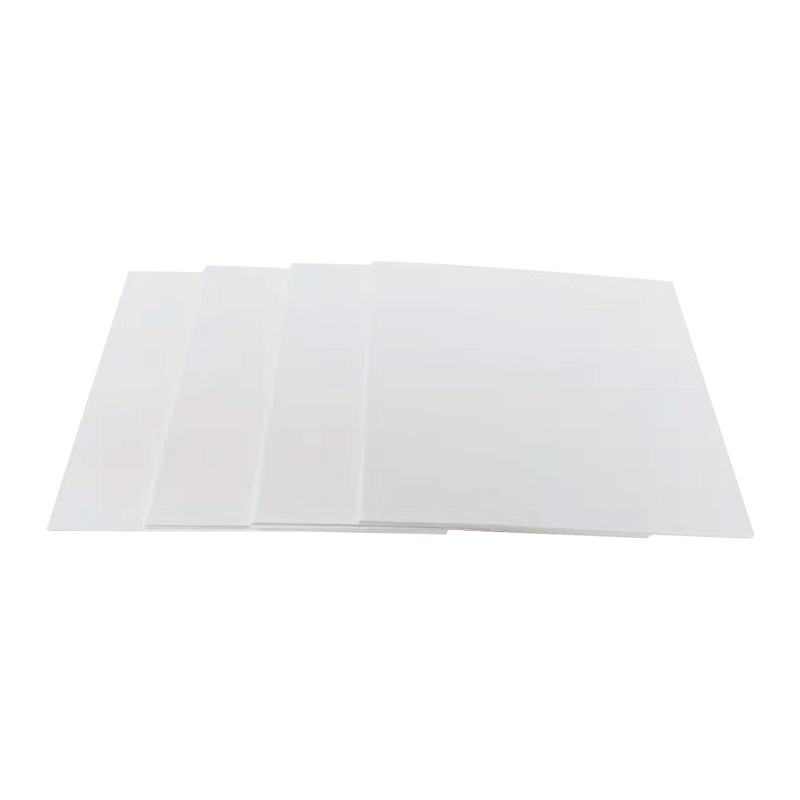
The hardware electroplating industry is divided into four core process stages: pre-treatment, electroplating process, post-treatment, and packaging & transportation. The following covers product names, aliases, and core applications across the full workflow from production to storage.
Electroplating Sulfur-Free Paper (Aliases: Sulfur-Free Isolation Paper, Silver Plating Sulfur-Free Paper, Hardware Terminal Sulfur-Free Paper) Core Specs: Sulfur content ≤50ppm (premium grade ≤5ppm), chlorine-free and halogen-free. Core Uses: Isolation of silver-plated, gold-plated, and tin-plated hardware components that are prone to sulfurization, preventing sulfur from reacting with metals and causing discoloration, blackening, or poor contact. Compatible with terminals, connectors, and precision hardware stampings for in-process handling and stacking storage. Special Variants: Anti-static sulfur-free paper (surface resistance 10⁷–10⁹Ω) and dust-free sulfur-free paper (Class 100 grade), suitable for high-precision electronic hardware components.
Electroplating Dust-Free Wiping Paper (Aliases: Stencil Wiping Paper, Industrial Dust-Free Paper, Absorbent Dust-Free Paper) Material: 55% wood pulp + 45% polyester fiber, with optional dust-free non-woven fabric. Core Uses: Removing oil, dust, and water stains from hardware component surfaces; cleaning equipment around electroplating tanks; preventing fiber shedding from contaminating plating solution. Types: Folded dust-free paper (suitable for manual wiping) and roll dust-free paper (compatible with automatic wiping equipment).
Electroplating Oil-Absorbent Paper (Aliases: Hardware Stamping Oil-Absorbent Paper, Degreasing Paper) Characteristics: High oil absorption (≥99%), no fiber shedding, resistant to mild acids and alkalis. Core Uses: Degreasing stamped parts before electroplating; absorbing residual oil from surfaces after plating; cleaning floating oil from plating solution surfaces.
Electroplating Masking Paper (Aliases: Protection Paper, High-Temperature Masking Paper) Characteristics: Heat-resistant at 180–250°C, acid and alkali resistant, moderate adhesion with no residue. Core Uses: Masking non-plating areas (such as threads and hole positions) during partial hardware electroplating. Replaces adhesive tape, suitable for complex curved surface masking.
Electroplating Filter Paper (Aliases: Acid-Alkali Resistant Filter Paper, Plating Solution Filter Paper, Pure PP Filter Paper) Material: Plant fiber or pure PP, acid and alkali resistant (pH 1–14), filtration precision 1–20μm. Core Uses: Filtering impurities, anode sludge, and particulate contaminants from plating solutions; maintaining plating solution purity to improve coating flatness. Compatible with plate-frame and box-frame filter machines.
Electroplating Anode Bag Paper (Aliases: Anode Filter Paper, Titanium Basket Paper, Anode Sleeve Paper) Characteristics: High-temperature resistant, acid and alkali resistant, highly breathable, high strength and not easily damaged. Core Uses: Placed over anode plates or titanium baskets to filter anode sludge and prevent impurities from entering the plating solution. Enables uniform diffusion of metal ions, reducing pinholes and roughness in the coating.
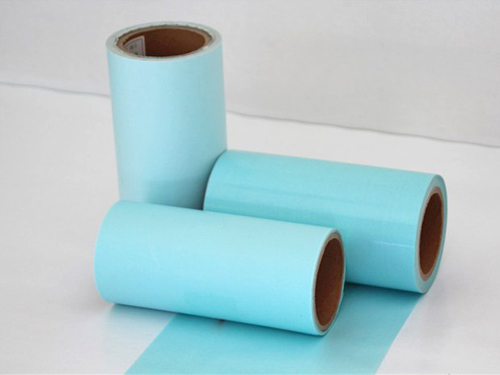
Electroplating Interlayer Paper Tape (Aliases: Terminal Interlayer Paper, Continuous Plating Separator Paper, Stamping Plating Paper Tape) Specs: Roll format (width compatible with terminal carrier tape), sulfur-free and chlorine-free, uniform thickness (25–40g). Core Uses: Isolating hardware terminals during continuous electroplating and stamping processes, preventing mutual scratching and adhesion. Compatible with automated production lines to improve production efficiency.
Electroplating Lining Paper (Aliases: Electroplating Pad Board Paper, Carrier Tape Base Paper) Characteristics: High flatness, good toughness, resistant to deformation. Core Uses: Supporting and positioning hardware components during electroplating; preventing small parts from floating or colliding. Compatible with barrel plating and rack plating auxiliary tooling.
Electroplating Anti-Rust Paper (Aliases: VCI Vapor Phase Anti-Rust Paper, Multi-Metal Anti-Rust Paper, Silver Preservation Paper) Types: Ferrous metal anti-rust paper (for zinc-plated, chrome-plated, and nickel-plated parts); copper/silver specialty anti-rust paper (absorbs H₂S to prevent discoloration); multi-metal universal anti-rust paper (for mixed electroplated parts). Core Uses: Long-term storage and transportation rust prevention for finished electroplated products. VCI molecules form a molecular-level protective layer, replacing rust-preventive oil with an environmentally friendly, residue-free solution.
Electroplating Polishing Paper (Aliases: Mirror Polishing Paper, Metal Grinding Paper) Characteristics: Ultra-fine abrasives (micron-level), good flexibility, scratch-free. Core Uses: Surface polishing after electroplating to remove pitting and burrs and enhance mirror finish. Compatible with fine polishing of stainless steel, copper, silver, and other hardware components.
Electroplating High-Temperature Resistant Lining Paper (Aliases: Drying Paper, Curing Paper) Characteristics: Withstands 200–300°C, no carbonization or deformation. Core Uses: Isolation and support during drying and curing of electroplated parts; preventing surfaces from adhering to drying racks; maintaining coating smoothness.
Electroplating Packaging Paper (Aliases: Hardware Packaging Paper, Tissue Paper, Sydney Paper) Specs: 17–40g, thin yet strong, smooth surface, printable. Core Uses: Individual wrapping of finished electroplated products to prevent scratching and dust. Enhances product presentation. Compatible with gift hardware and precision component packaging.
Electroplating Anti-Static Paper (Aliases: Conductive Paper, ESD Protection Paper) Specs: Surface resistance 10⁶–10¹¹Ω, compliant with ANSI/ESD S20.20 standard. Core Uses: Packaging of electrostatic-sensitive electroplated parts such as electronic connectors and chip leads. Rapidly dissipates static electricity, preventing electrostatic breakdown and dust adsorption.
Electroplating Moisture-Proof Paper (Aliases: Moisture-Proof Composite Paper, Aluminum Foil Moisture-Proof Paper) Characteristics: Polyethylene-coated or aluminum foil composite, moisture transmission rate ≤5g/m²·24h. Core Uses: Protecting electroplated parts in humid environments and during long-distance sea freight, preventing moisture absorption, oxidation, and solder joint corrosion.
Electroplating Halogen-Free Paper (Aliases: Eco-Friendly Packaging Paper, RoHS-Compliant Paper) Specs: Chlorine and bromine ≤900ppm, compliant with RoHS and REACH standards. Core Uses: Packaging of high-end electronic, automotive, and military hardware components, preventing toxic gas generation during combustion.
| Product Name | Core Specs | Application Scenario | Grammage Range |
| Electroplating Sulfur-Free Paper | Sulfur content ≤20ppm | Isolation and storage of silver/gold-plated parts | 25–40g |
| Electroplating Filter Paper | Acid-alkali resistant pH 1–14, precision 1–20μm | Plating solution filtration | 60–120g |
| VCI Anti-Rust Paper | Vapor phase corrosion inhibitor, multi-metal compatible | Long-term rust prevention for finished products | 45–80g |
| Dust-Free Wiping Paper | Class 100 grade, no fiber shedding | Surface cleaning | 30–50g |
| Interlayer Paper Tape | Roll format, width compatible with carrier tape | Continuous plating / stamping | 25–35g |
Kangchuang Paper specializes in high-quality industrial papers — sulfur-free, coated, release, and anti-rust. Tell us your requirements and we’ll recommend the right grade with fast turnaround.