Skip to content
If you ship or store metal parts, you have probably reached for a silica gel packet at some point. It works. Sort of. But a growing number of shippers, manufacturers, and export houses have moved away from silica gel and toward VCI paper. Why? Because the two products do not actually do the same thing, even though they get used for the same problem.
This piece breaks down the real difference between VCI paper and silica gel, when each one is the right call, and what you can expect to spend. No fluff, no marketing talk. Just the comparison you need before your next shipment.
What VCI Paper Does (And Why It Is Not the Same as a Desiccant)
VCI stands for Vapor Corrosion Inhibitor. The paper itself is a kraft base loaded with chemicals that slowly release vapor. That vapor settles on any metal surface inside the package and forms a microscopic protective layer. The layer does not block moisture. It blocks the electrochemical reaction that causes rust.
That distinction matters. VCI paper stops corrosion at the chemistry level. It does not need a sealed container to work, and it does not need replacing every few months. Wrap a steel part in VCI paper, fold the edges so the vapor stays contained, and the protection lasts anywhere from 12 to 24 months depending on conditions.
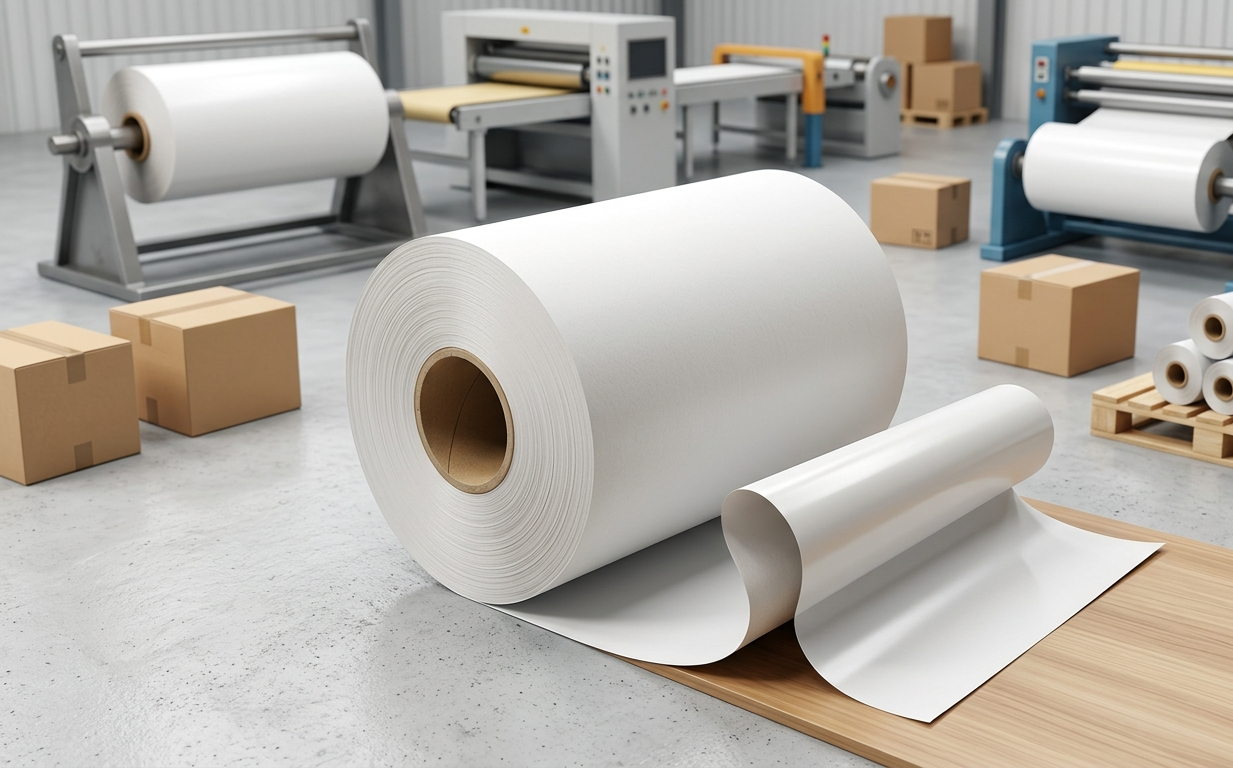
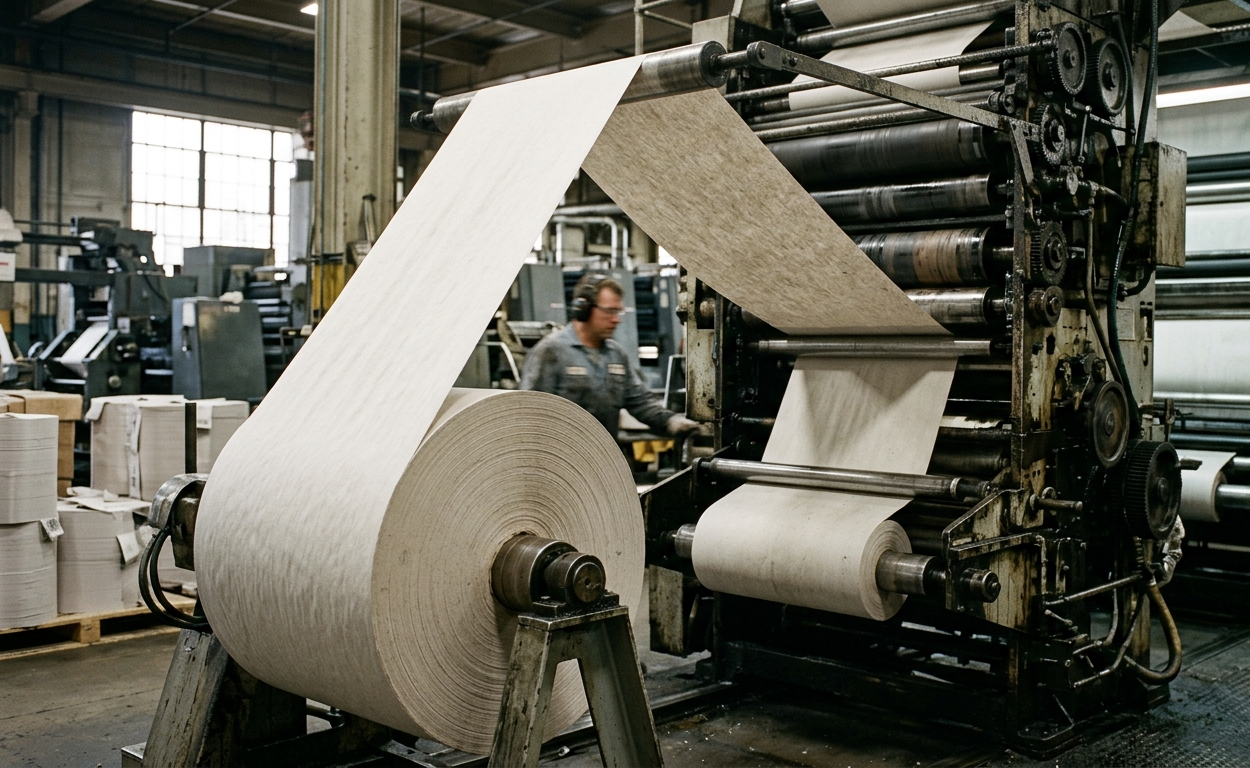
At Kangchuang Paper we make VCI paper for ferrous metals like steel and cast iron, non-ferrous metals like copper and brass, and multi-metal blends. The base is always kraft paper, usually 60 to 90 gsm, so it feels like a sturdy wrapping paper in your hands.
What Silica Gel Does (And Its Real Limitations)
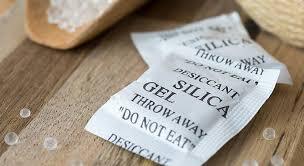
Silica gel is a desiccant. It absorbs water vapor out of the air inside a sealed package. That is the entire mechanism. When the silica gel beads have absorbed as much moisture as they can hold, they stop working.
Silica gel is inexpensive and easy to use. Drop a packet into a sealed bag or a closed container, and you will pull the humidity down for a while. The problem is that silica gel only helps if three things are true. First, your package has to be genuinely airtight. Second, the amount of silica gel has to match the volume of air you are trying to dry. Third, you have to replace it before it saturates.
Miss any of those, and the silica gel stops protecting. Meanwhile, rust is already starting on unprotected surfaces.
Head to Head: Five Points Where They Differ
Start with how they protect. VCI paper forms an active chemical layer on the metal itself. Silica gel removes water from the air around the metal. The VCI approach is proactive. The silica gel approach is reactive.
Then look at packaging requirements. VCI paper works in loosely folded packages, cardboard boxes, and even open pallets with a paper wrap. Silica gel really needs a sealed bag or a sealed case. A leaky package makes silica gel useless within days.
On duration, VCI paper protects for 12 to 24 months in typical storage. Silica gel packets usually saturate in 30 to 90 days depending on climate and air exchange.
On cleanup, VCI paper leaves no residue. When you unwrap the part, the VCI molecules drift away into the air. Silica gel leaves behind spent desiccant that has to be disposed of, and in humid climates you often find moisture condensation on parts anyway because the gel could not keep up.
Cost works out interesting. VCI paper costs more per square foot than silica gel packets. But because you do not need to replace it mid-shipment and you do not need sealed packaging, the total cost per protected part usually runs lower with VCI.
When Silica Gel Still Makes Sense
There are cases where silica gel is genuinely the better tool. If you are shipping small quantities of consumer electronics in sealed retail packaging, a silica gel sachet is cheap and effective. Same for camera lenses, optics, and anything in a hard case that stays closed.
For one-time, short-duration, sealed-container shipments, silica gel works fine and costs less. The math changes the moment your parts need protection for more than a few months, the moment your package is not fully sealed, or the moment you are protecting bulk metal parts on a pallet.
When VCI Paper Is the Clear Winner
Long-term storage of metal parts. Export shipments that sit at port or in transit for weeks. Automotive components, precision machined parts, and stamped hardware that move through multiple handling steps. Interleaving between stacked metal sheets or rolls. Any part where surface rust would trigger a quality rejection.
VCI paper was built for those jobs. It is the reason defense contractors specify MIL-PRF-3420 VCI paper for military part shipments. It is the reason automotive OEMs use VCI kraft between stacked steel coils. The protection is predictable, documented, and tested.
Kangchuang Paper makes anti rush VCI paper in rolls, sheets, and custom slit widths. We run 65 to 90 gsm natural kraft as the base, treated with nitrite-free VCI chemistry for ferrous, non-ferrous, and multi-metal applications. Free samples are available for testing.
The Bottom Line
VCI paper and silica gel solve related problems, but they are not substitutes. Silica gel absorbs moisture from air. VCI paper stops corrosion at the metal surface. For any serious metal shipment or any storage lasting longer than a few weeks, VCI paper is the right answer. For small, sealed, short-term consumer packages, silica gel still earns its keep.
If you ship anything metal that rust would ruin, test both with a sample run. You will see the difference fast.