Skip to content
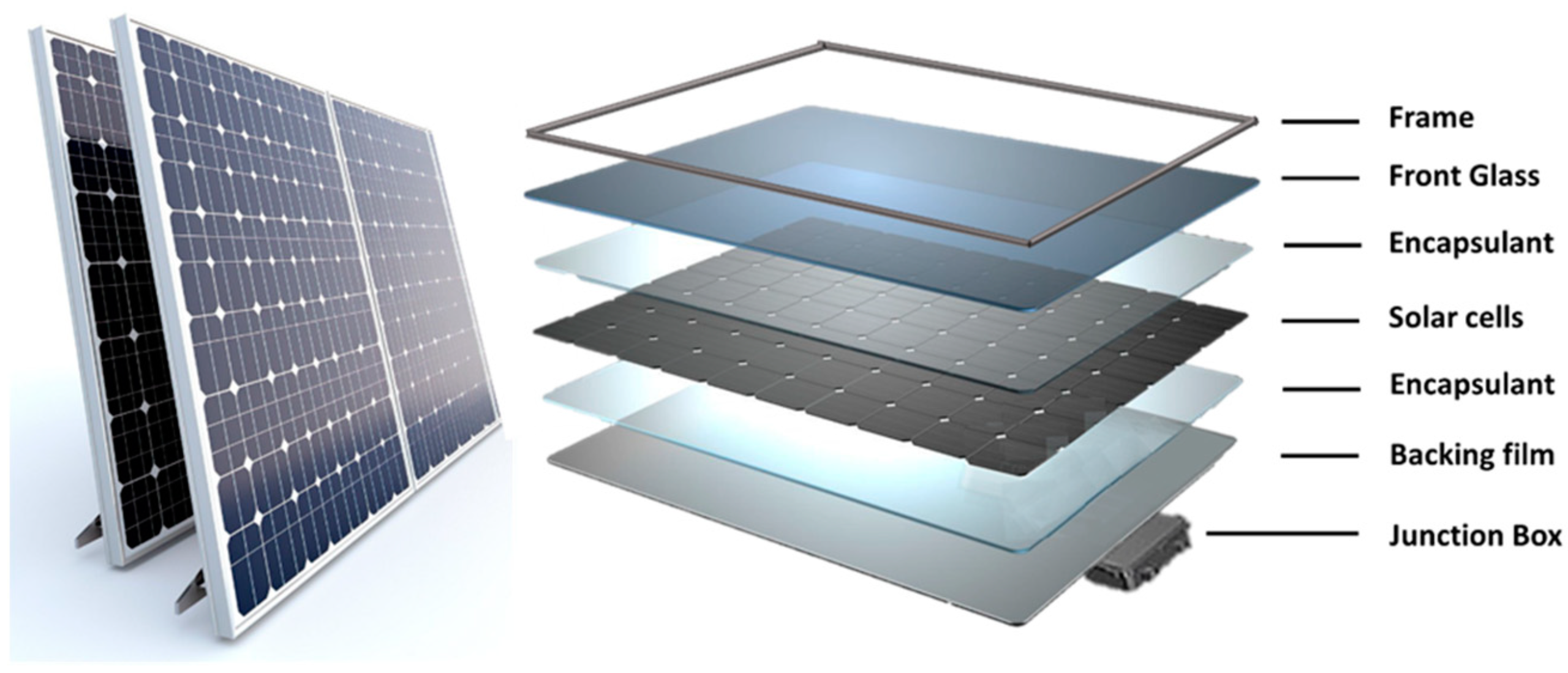
Photovoltaic separator paper — also called solar interleaving paper, PV cell separator, and solar glass interleaving — is one of the most specialized paper categories in industrial supply. It sits between photovoltaic cells, between solar cover glass, between cell stacks during transit, and during storage of PV modules awaiting assembly. The chemistry, surface flatness, and dust control requirements are extreme: a single contamination event can damage cells worth thousands of dollars, and any sulfide, chloride, or alkali contamination can compromise the conductive paths that solar cells depend on.
This guide profiles the leading suppliers serving the US photovoltaic separator paper market in 2026 — a market that includes specialty interleaving paper manufacturers, solar industry material specialists, and converters serving solar module producers. Note that the US PV separator paper market is closely related to but distinct from EVA encapsulation film and PV backsheet supply, which we mention but do not cover in detail.
How This List Was Compiled
Selection focused on suppliers actively serving the photovoltaic and solar industry with paper-based separator and interleaving products, with documented chemistry control suitable for solar cell and solar glass applications. We included both pure paper manufacturers and broader solar materials suppliers that provide separator paper as part of a larger product line, because both routes serve real US PV manufacturer demand.
The Top 10 Suppliers
1. Ahlstrom
Headquarters: Multi-state US operations
Established: 1851
Ahlstrom is the leading specialty interleaving paper manufacturer for the photovoltaic industry in North America. Their Glass-Gard product family is engineered for the chemistry requirements of solar cover glass interleaving — pH-neutral, low-sulfur, no coatings, and 100 percent virgin fiber. Their controlled porosity ensures optimal processing efficiency and eliminates the staining that can occur with metallic glazing. Ahlstrom holds FSC, SFI, and PEFC chain-of-custody certification across most grades and is the default first choice for major US solar module producers needing chemically-controlled separator paper.
Key products: Glass-Gard glass interleave paper, Glass-Gard Prime (high-purity), photovoltaic separator paper
Industries served: Solar module manufacturers, solar cover glass producers, photovoltaic cell stacking
2. Flexlink, LLC
Headquarters: Mansfield, Ohio
Established: Specialty paper manufacturer
Flexlink’s Flexsheen line of glass interleaving paper is engineered to ultra-low sulfur, controlled pH, and low resin levels — specifications that translate directly to photovoltaic glass and cell separation. Their unique accelerated aging room allows them to validate interleaving paper performance under stress conditions that mimic long-term storage of solar glass and cells. Flexlink is the second leading US-active supplier for solar glass interleaving, particularly for buyers who want documented performance testing under heat and humidity stress.
Key products: Flexsheen glass interleaving paper, anti-tarnish papers, anti-corrosive papers, plastic interleaving
Industries served: Solar glass producers, photovoltaic module assemblers, designer glass
3. EMI Specialty Papers
Headquarters: Bristol, Connecticut
Established: 1996
EMI is ISO 9001-certified and produces neutral pH, sulfur-free interleaving paper suitable for photovoltaic separator applications. Their custom conversion capability — slitting, sheeting, die cutting — makes them strong for buyers who need non-standard separator formats matching specific cell tray sizes or module assembly lines. EMI is particularly relevant for smaller solar producers and specialty PV applications where standard mill formats are not a fit.
Key products: Sulfur-free interleaving paper, custom slit photovoltaic separator, dielectric paper
Industries served: Solar cell handling, custom PV assembly applications, electronic-grade interleaving
4. Xamax Industries
Headquarters: Connecticut
Established: Established US converter
Xamax produces interleaving materials for sensitive electronics and metal applications, including their EK product line — virgin kraft papers that are pH-neutral and low in sulfur and chloride content. While their primary focus is metal interleaving, their EK and AT product lines are also used in photovoltaic applications where similar chemistry control matters. Their EK/HS poly-coated grade adds moisture barrier protection useful for export shipping of solar cells and components.
Key products: EK low-sulfur kraft, AT anti-tarnish tissue, EK/HS poly-coated kraft, polypropylene films
Industries served: Solar cell handling, PV component shipping, polished glass interleaving
5. Pacothane Technologies
Headquarters: Massachusetts
Established: Established specialty paper converter
Pacothane focuses on specialty release and interleave papers for the printed circuit board industry, with chemistry standards that translate well to photovoltaic cell separation. Their sulfur-free, pH-neutral interleaving stock is used in some photovoltaic applications where buyers want PCB-grade purity for PV cell stacking and storage.
Key products: Sulfur-free electronic-grade interleaving, PCB-grade paper applied to PV use
Industries served: Photovoltaic cell stacking, electronics-grade PV applications
6. Targray Technology International
Headquarters: Quebec, Canada (significant US operations)
Established: 1987
Targray is a leading materials supplier to the global solar industry with extensive US operations through their solar materials division. While Targray’s flagship products are EVA encapsulation films and PV backsheet materials, they also distribute and supply complementary materials including interleaving and separator products to their solar manufacturer customers. Targray works closely with the US Solar Energy Industries Association (SEIA) and serves many of the largest US photovoltaic module manufacturers.
Key products: EVA solar films, PV backsheets, solar materials supply chain (separator paper through partners)
Industries served: Solar module manufacturers, photovoltaic cell producers, solar developers
7. Dunmore Corporation
Headquarters: Bristol, Pennsylvania
Established: 1970
Dunmore is a leading manufacturer of solar backsheet materials and PV-related laminates for 600-volt to 1500-volt solar modules. While their core product is the DUN-SOLAR photovoltaic backsheet line rather than separator paper specifically, Dunmore is a key US supplier for the solar materials supply chain and provides supporting interleaving and protective materials to solar module producers. Their US-based production is significant for buyers needing domestic supply of solar materials.
Key products: DUN-SOLAR PV backsheets, EPE insulator components, solar laminates, supporting interleaving
Industries served: Crystalline silicon solar module producers, thin-film solar manufacturers
8. Robert Wilson Paper Corp.
Headquarters: Northeastern United States
Established: 1918
Robert Wilson Paper Corp. produces specialty interleaving and separator paper applicable to photovoltaic applications, particularly for buyers needing custom basis weights and small-run production. Their range of glassine, kraft, and treated specialty papers can be configured for PV cell separation and solar glass interleaving when standard mill formats do not fit. Their longevity and breadth make them a relevant secondary source for specialty PV applications.
Key products: Glassine separator, kraft interleaving, treated specialty papers, custom configurations
Industries served: Solar specialty applications, custom PV assembly lines
9. Papertec, Inc.
Headquarters: Clifton, New Jersey
Established: 1981
Papertec produces virgin and recycled kraft papers including specialty interleaving grades suitable for photovoltaic component shipping and storage. Their MIL-spec compliance background makes them relevant for solar applications serving defense, aerospace, and government solar projects where domestic content and traceability are required. Their finishing service capability supports custom format conversion.
Key products: Virgin and recycled kraft interleaving, MIL-spec compliant grades, custom-converted
Industries served: Solar industry custom conversion, defense and aerospace solar projects
10. EnerSys / Solar Materials Distributors
Headquarters: Reading, Pennsylvania (and similar US distributors)
Established: Established multi-source solar materials channel
The US solar materials market includes a network of specialized distributors that source separator paper from multiple producers (often Asian specialty mills) and supply it to North American solar manufacturers. These distributors offer a single procurement source for solar interleaving paper, EVA films, backsheets, and related materials. For buyers who prefer one purchasing relationship across multiple solar materials, distributors fill a key role even when they are not primary paper manufacturers.
Key products: Multi-source solar separator paper, EVA encapsulation, backsheet, complete solar materials supply
Industries served: Solar module manufacturers seeking single-source procurement, mid-size PV producers
Comparison Table
| Supplier | Type | Best For |
| Ahlstrom | Specialty paper manufacturer | Solar cover glass interleaving |
| Flexlink, LLC | Specialty paper manufacturer | Tested glass interleaving |
| EMI Specialty Papers | Custom converter | Custom-format PV separator |
| Xamax Industries | Specialty converter | PV cell handling, moisture barrier |
| Pacothane Technologies | PCB-grade specialty paper | Electronics-grade PV |
| Targray Technology | Solar materials supplier | Integrated solar supply chain |
| Dunmore Corporation | PV backsheet specialist | Solar laminates, supporting materials |
| Robert Wilson Paper | Long-history custom mill | Custom-format PV applications |
| Papertec, Inc. | Custom kraft converter | Defense / aerospace solar |
| Solar Materials Distributors | Multi-source distribution | Single-source PV procurement |
Specifications That Matter for PV Separator Paper
Photovoltaic separator paper has demanding chemistry requirements:
- Total reducible sulfur (TRS) below 5 ppm — critical to prevent silver-conductor degradation on solar cells
- pH neutral (6.5–7.5) — chemistry must not migrate to cell or glass surface
- Chloride content below specified threshold — chloride attacks conductive paths
- Low dust content — measured as Lint-O-Meter or similar particle count test
- Surface smoothness — flat, with no fiber raises that could mark cell surface
- Dimensional stability through humidity changes
- Documented basis weight tolerance (typically ±3 percent)
- Free-of-known contaminants certification for cleanroom-adjacent use
How PV Separator Paper Differs From General Interleaving
Standard glass interleaving paper is designed primarily to prevent abrasion. PV separator paper has the additional requirement of preserving the conductive paths on solar cells. Even trace contamination — sulfide, chloride, alkali, or organic residues — can degrade cell efficiency or accelerate corrosion of the silver paste used in cell metallization. This is why solar cell manufacturers specify chemistry-controlled paper at significantly tighter tolerances than glass producers do.
Cover glass interleaving (the paper between layers of solar cover glass) is closer in spec to standard glass interleaving, and Ahlstrom’s Glass-Gard, Flexlink’s Flexsheen, and similar products serve this directly. Cell-level interleaving (between cells in cell trays before module assembly) is more demanding and may require certified sulfur-free paper from EMI, Xamax, or Pacothane.
US Solar Industry Context
US photovoltaic module production has grown significantly through 2024–2026 driven by Inflation Reduction Act incentives and domestic-content requirements. New US module manufacturing facilities have been built or expanded by companies including First Solar, Q CELLS, Hanwha Solutions, Heliene, and others. These facilities create substantial demand for solar separator paper, EVA encapsulation, and supporting consumables. Buyers serving these manufacturers have growing volume opportunities.
Solar materials sourcing also reflects domestic-content priorities. Some IRA-eligible production tax credits require US-origin materials, increasing demand for domestic-sourced separator paper. This benefits US-based suppliers like NORPAC adjacent producers, EMI, Xamax, and Robert Wilson Paper relative to imported alternatives.
Frequently Asked Questions
Is photovoltaic separator paper the same as glass interleaving paper?
They overlap but are not identical. Cover glass interleaving (between sheets of solar cover glass) uses similar paper to general glass interleaving — Ahlstrom Glass-Gard, Flexlink Flexsheen, etc. Cell-level interleaving (between solar cells) demands tighter chemistry control because trace contamination can degrade cell efficiency. Suppliers serving both markets typically offer different grades for each use.
Can I use sulfur-free PCB interleaving paper for solar cells?
Often yes, with the caveat that PCB interleaving paper is engineered for silver-plated PCB surfaces, while solar cells use silver paste in a different morphology. The chemistry requirements overlap heavily, and many small US solar producers do source PCB-grade interleaving from Pacothane, EMI, or similar suppliers. For high-volume production, however, dedicated PV separator grades are usually a better fit because the paper format and dimensions match cell tray standards.
What is the difference between EVA encapsulation film and PV separator paper?
EVA (ethylene vinyl acetate) film is the encapsulation material that becomes part of the finished solar module — it bonds the cells between the cover glass and the backsheet during lamination. PV separator paper is a transit and storage interleaving material that protects cells before they enter the lamination process. The two are complementary, not substitutes.
Are there domestic-content requirements for PV separator paper under IRA?
The IRA’s domestic content bonus credit requires a minimum percentage of US-origin manufacturing across solar module components. Specific separator paper requirements depend on how the IRS and Treasury rules interpret consumables versus integrated components. Most solar module manufacturers are conservatively prioritizing US-sourced separator paper alongside US-sourced EVA, backsheet, and frame components to maximize their domestic content scores.
Where do most US solar producers actually source separator paper today?
US solar producers source from a mix of domestic specialty paper converters (EMI, Xamax, Pacothane, Robert Wilson, Papertec), domestic specialty mills with imported base paper (Ahlstrom US operations, Flexlink), and direct imports from Asian specialty mills. The mix shifts based on volume, IRA compliance requirements, lead times, and pricing. Domestic content pressure is gradually shifting more sourcing to US-converted product.
The Bottom Line
The US photovoltaic separator paper market is served by a focused group of specialty paper manufacturers, custom converters, and broader solar materials suppliers. Ahlstrom and Flexlink lead in solar cover glass interleaving. EMI Specialty Papers, Xamax, and Pacothane lead in chemistry-controlled cell-level interleaving. Targray and Dunmore lead in integrated solar materials supply that includes separator paper alongside encapsulation and backsheet. As US solar module manufacturing expands under IRA incentives, demand for chemistry-controlled separator paper from US-based sources will continue to grow. Match the supplier to the chemistry your application requires, verify domestic-content documentation if relevant, and run a sample before committing to volume — the cost of contamination on a production solar line is far higher than the cost of paper qualification.