Skip to content
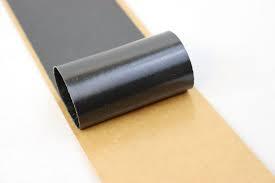
Release paper looks like a simple product until you have to specify one. Then you realize there are two families of it, silicone-coated and non-silicone, and they are not interchangeable. Pick the wrong one and your adhesive either will not peel off the liner or will bond to it permanently.
This guide walks through the difference between silicone and non-silicone release paper, which adhesives each one works with, and how to tell which is right for your production line.
What Release Paper Actually Does
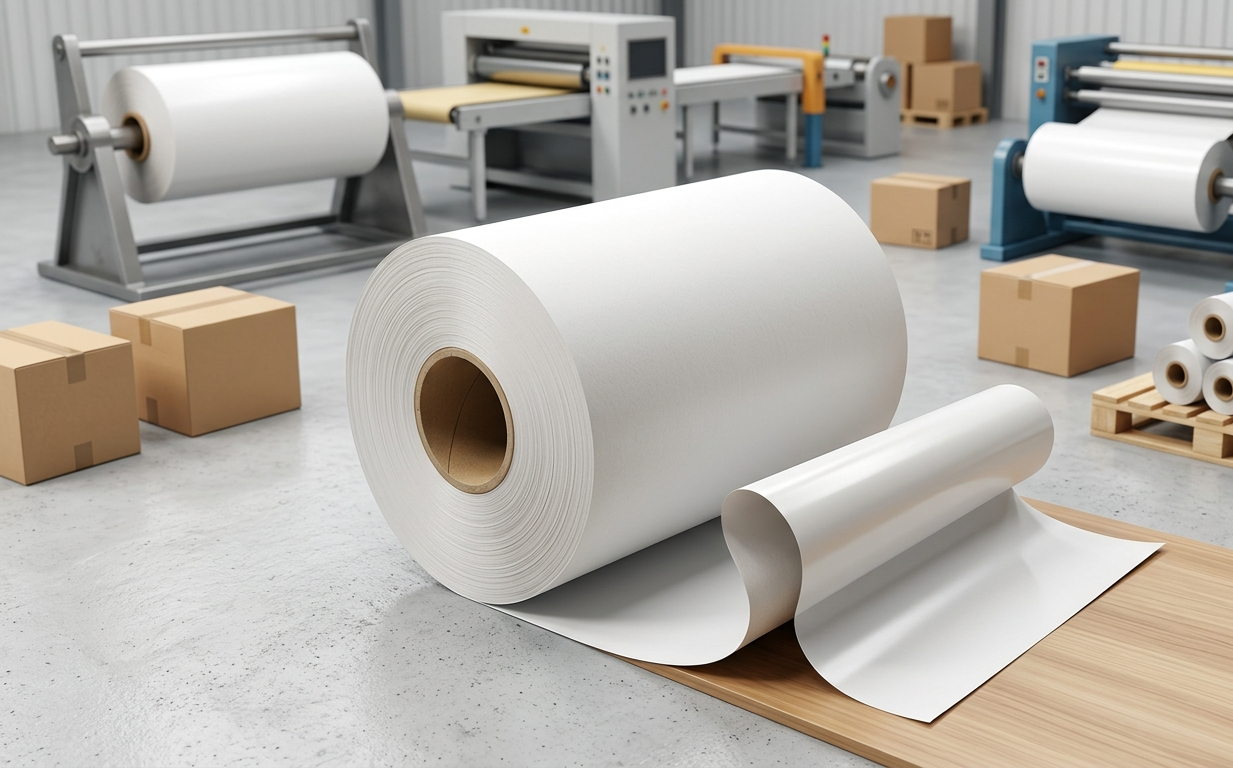
Release paper is a paper with a low-energy surface coating. Adhesives and coatings stick to a lot of things, but they are designed to peel cleanly off release paper. You see it in label backings, medical tape, composites, roofing membranes, and anywhere a sticky product needs to stay put until use.
The base paper is usually kraft, glassine, or clay-coated kraft. What makes it a release liner is the thin surface treatment that keeps adhesive from bonding. That treatment is where silicone and non-silicone parts ways.
Silicone Release Paper: The Workhorse
Silicone-coated release paper uses a cured silicone layer on one or both sides. This is the default choice for most pressure-sensitive adhesive applications, and it is what you will see most often on label liners, medical tapes, and composite prepregs.
The silicone layer releases cleanly from nearly every standard adhesive including acrylic, rubber, and hot-melt. It tolerates heat, curing cycles, and long storage. You can get it in one-sided or double-sided coatings, and the release force can be tuned from very easy peel to tight hold.
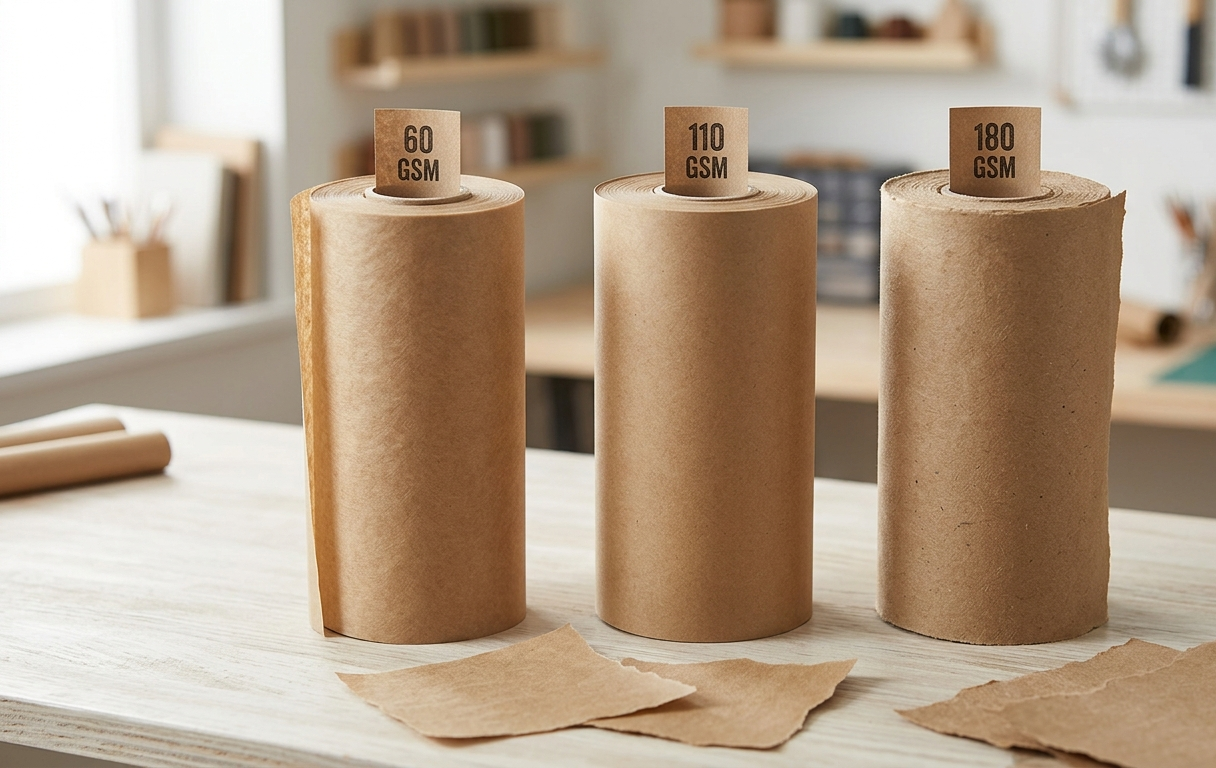
Kangchuang Paper produces silicone release paper in weights from 60 to 140 gsm on glassine, SCK, and PE-coated kraft substrates. Roll widths are custom cut, and both sides can be siliconized with differential release if the customer needs one side to peel easier than the other.
The downside, and the reason non-silicone exists, is that silicone contaminates sensitive surfaces. Electronics manufacturing, semiconductor work, paint booths, and any process where silicone migration would cause a defect all steer clear of silicone liners. A single cured silicone deposit on a body panel means paint adhesion failure. That is why carmakers and electronics factories often demand silicone-free alternatives.
Non-Silicone Release Paper: The Specialty Choice
Non-silicone release paper uses a different release mechanism. Depending on the manufacturer, the coating can be a fluoropolymer, a non-silicone polymer, or a proprietary blend. The goal is the same, clean release without silicone contamination.
Non-silicone liners are heavier, stiffer, and cost more per square meter than silicone liners. They are used where silicone transfer is a deal breaker. Rubber vulcanization is a classic example. Steel coil interleaving for painted parts is another. Many medical applications also prefer non-silicone to avoid biocompatibility concerns.
Our non-silicone release paper at Kangchuang runs in heavier grades, typically 100 to 200 gsm, because these applications often need more strength and better tear resistance than a standard label liner.
Quick Decision Guide
If your application is label stock, medical tape, general pressure-sensitive adhesive, roofing, or a composite prepreg, silicone release paper is almost always the right call. It is cheaper, easier to source, and it performs well.
If you are working on an auto body, an electronics assembly line, a paint booth, a semiconductor fab, or a rubber goods factory, go non-silicone. The premium price is much cheaper than a single silicone-contamination defect.
If you are not sure, the fastest test is a simple one. Take a small sample of each, press your adhesive or product against it, cure through your normal process, and inspect the release and the downstream surface. Our sales team sends free samples for exactly this kind of test.
Release Force Matters Too
Beyond silicone versus non-silicone, release paper also comes in different release force levels. Easy release means the adhesive peels off almost effortlessly. Tight release means the adhesive holds to the liner until deliberately stripped.
For high-speed label dispensing, you want easy release so the machine strips liners at speed. For die-cut medical devices that sit in a bag for months, you want tight release so the adhesive does not lift on its own. Talk to your supplier about release force when you order. It is as important as the silicone question.
Cost Comparison
Silicone release paper in 60 to 90 gsm ranges from around $0.80 to $2.20 per square meter at wholesale, depending on coating type and roll quantity. Non-silicone release paper typically costs 40 to 80 percent more for the same weight and size. That gap widens when you add custom widths, printing, or special certifications.
For most manufacturers, the cost premium on non-silicone is only justified when the application truly cannot tolerate silicone. It is worth running that analysis before you specify.
The Bottom Line
Silicone release paper handles the majority of jobs. It is affordable, widely available, and works with standard adhesives. Non-silicone release paper exists for the applications where even a trace of silicone transfer is unacceptable.
Before you order, know your adhesive, know your downstream process, and ask for a sample. The right liner keeps your production line running. The wrong one stops it.