Skip to content
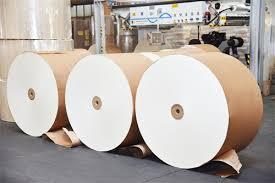
Coated paper and laminated paper get treated as if they are the same product. They are not. They are produced through completely different processes, behave differently under heat, moisture, and stress, and serve very different applications. Choosing the wrong one can mean labels that crack, packaging that delaminates, printed materials that lose color in humid storage, or industrial products that fail in the field.
This guide explains how each is made, how they perform, where each fits, and what specifications to demand from a supplier before placing an order.
How Coated Paper Is Made
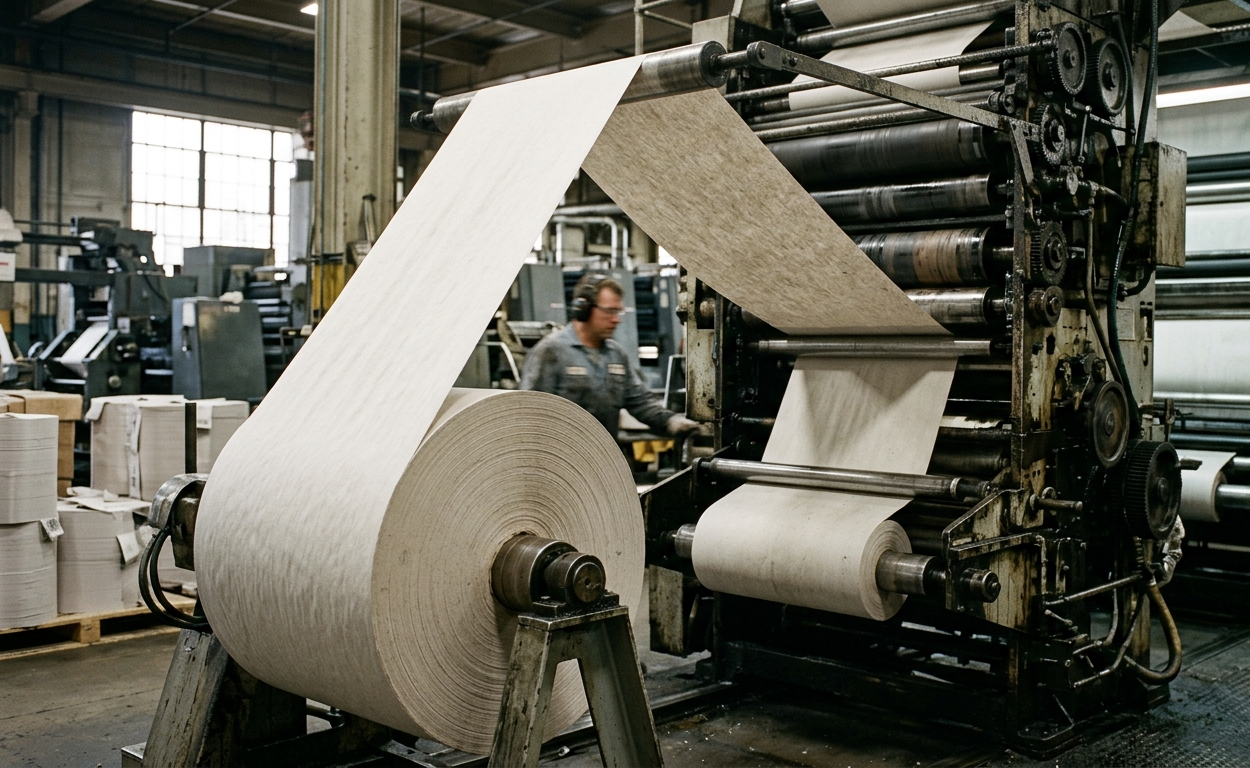
Coated paper begins as a base sheet — typically uncoated freesheet or groundwood paper — that runs through a coating station where a liquid mixture is applied to one or both surfaces. The coating is a slurry of mineral pigments (most often kaolin clay, calcium carbonate, or titanium dioxide) suspended in a binder such as latex, starch, or PVA. After application, the paper passes through drying ovens and supercalender rolls that smooth and densify the coating into a uniform film.
The coating layer is thin — typically 5 to 25 microns per side — but it transforms the paper. Ink absorption becomes shallow and controlled, which sharpens halftones and intensifies color. Surface gloss can be tuned from matte to high gloss. The paper becomes smoother, denser, and more dimensionally stable.
Coated paper is graded by coat weight (grams of coating per square meter) and finish:
- Cast-coated paper: heaviest coating, mirror-like high gloss
- Glossy coated paper: high gloss, used in magazines and premium brochures
- Matte coated paper: low gloss, popular for premium printed reports
- Silk or satin coated: a middle ground between matte and gloss
- Lightweight coated paper (LWC): used for high-volume catalogs and inserts
How Laminated Paper Is Made
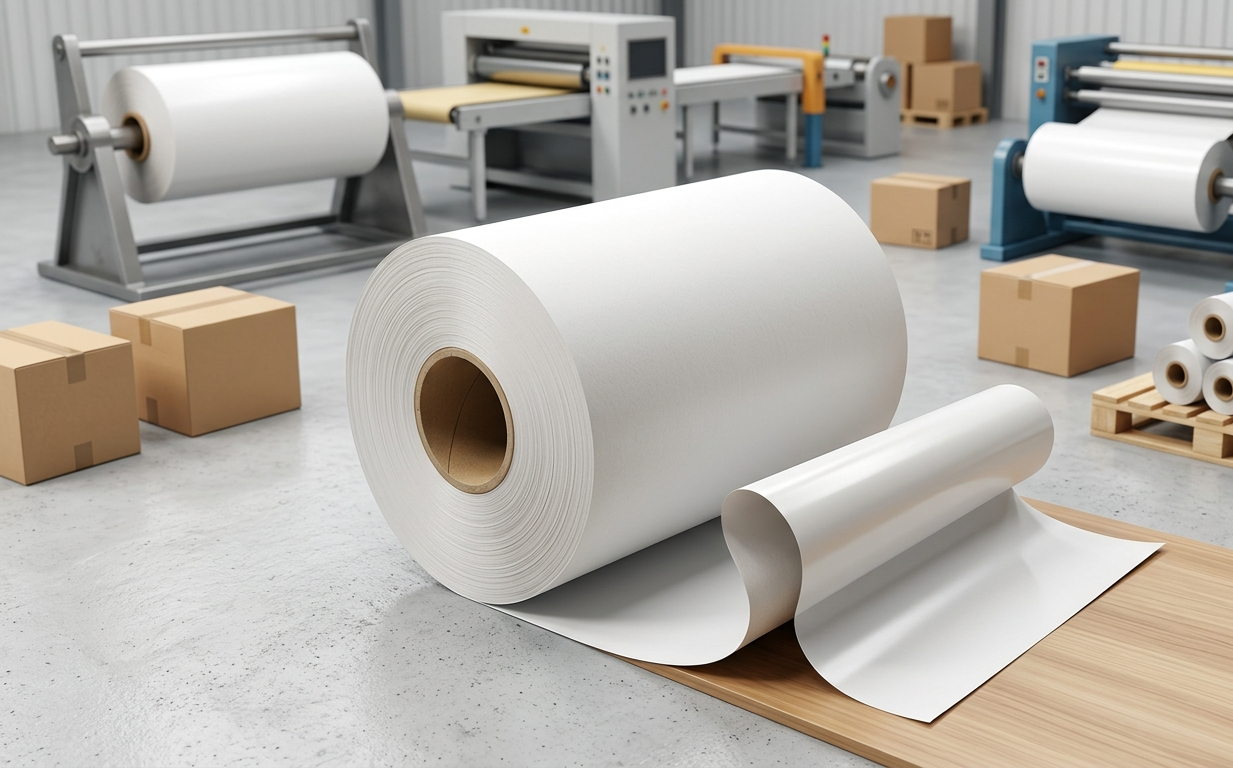
Laminated paper is structurally different. Instead of a liquid coating, laminated paper is bonded to one or more separate film layers — typically polyethylene, polypropylene, BOPP, polyester, or even foil. The bonding is achieved either by extrusion (molten plastic poured directly onto the paper as it runs through a nip), by adhesive lamination (a separate adhesive layer joins paper and film), or by thermal lamination (heat fuses a heat-activated film onto the paper).
The result is a composite material rather than a finished paper. The film layer adds properties the paper itself cannot provide: water resistance, vapor barrier, gas barrier, gloss that cannot scratch off, mechanical durability, and heat-sealability for packaging.
Common laminated paper constructions include:
- Poly-coated kraft paper: kraft paper with a polyethylene coating, used for liquid packaging
- BOPP-laminated paper: brilliant gloss surface used for premium retail packaging
- Foil-laminated paper: aluminum foil bonded to paper for insulation and barrier packaging
- Wax-laminated paper: paraffin wax coating used in food and packaging
Side-by-Side Comparison
| Attribute | Coated Paper | Laminated Paper |
| Surface layer | Mineral pigment + binder, 5–25 microns | Plastic film or foil, 8–50+ microns |
| Production process | Liquid coating + drying + calendering | Extrusion, adhesive bonding, or thermal lamination |
| Print quality | Excellent — sharp halftones, vivid color | Good if printed before lamination; poor on the film |
| Water resistance | Limited — coating absorbs over time | High to excellent depending on film |
| Heat resistance | Up to ~150°C briefly | Depends on film: PE ~80°C, PP ~120°C, foil >200°C |
| Recyclability | Recyclable in standard paper streams | Often difficult — film must be separated |
| Cost level | Moderate | Higher than coated paper |
| Typical applications | Magazines, brochures, books, premium printing | Food packaging, shopping bags, liquid containers, industrial labels |
| Heat-sealable | No | Yes (with appropriate film) |
| Tear/puncture resistance | Standard paper resistance | Significantly enhanced |
When Coated Paper Is the Right Choice
Coated paper wins in any application where the priority is print quality, color reproduction, and a premium tactile finish. The coating exists to optimize how ink interacts with the surface — making it the default for high-end printing.
Best fit applications:
- Magazines, catalogs, and premium brochures where image quality drives the buying decision
- Annual reports, product books, and corporate marketing materials
- Coffee table books and art reproductions where halftone detail matters
- Direct mail pieces that need a tactile premium feel
- Retail product cartons where high-gloss print sells the product
- Food packaging that does not require a moisture barrier (dry foods, baked goods in cardboard)
Coated paper is also the standard choice when recyclability matters more than barrier performance. A coated sheet is a paper product, full stop. It re-pulps cleanly in standard recycling streams.
When Laminated Paper Is the Right Choice
Laminated paper wins when the application demands functional performance the paper alone cannot provide — barrier properties, mechanical durability, or specific surface chemistry.
Best fit applications:
- Liquid food and beverage packaging where the paper carries product weight and the film keeps liquid in
- Retail shopping bags where high gloss and tear resistance both matter
- Wraparound food labels for refrigerated and frozen products
- Industrial labels exposed to oil, chemicals, or outdoor conditions
- Heat-sealable pouches and sachets
- Insulation backing where foil lamination provides reflective barrier
- Tear-resistant maps, menus, and signage
Performance Differences That Matter on the Production Floor
Water and Moisture Behavior
This is the biggest functional gap. Coated paper resists water for minutes — long enough to wipe up a small spill — but soaks through within hours of sustained exposure. The coating is mineral-based and porous at a microscopic level. Water vapor passes through it almost as easily as through uncoated paper.
Laminated paper with a polyethylene or polypropylene film, by contrast, can sit in standing water for days without the paper layer wetting through. This is why milk cartons, juice cartons, and liquid soap bottles are paper-based products — the film does the barrier work.
Heat Behavior
Coated paper handles routine heat from offset printing, copier feed paths, and laser printer fusers. Above about 150°C, the binder in the coating starts to degrade. Laminated paper is limited by the film, not the paper. Polyethylene laminations soften around 80°C; polypropylene around 120°C; foil laminations can hold above 200°C. For applications involving heat sealing, microwaving, or oven-ready packaging, the lamination spec is the limiting factor.
Recyclability and Sustainability
Coated paper recycles cleanly in standard mixed-paper streams. The mineral coating is filtered out during repulping. Laminated paper is harder. Films must be separated from the fiber, which requires specialized recycling equipment. Many municipal recyclers reject laminated paper outright. This is a real consideration for brands making sustainability claims.
Newer mono-material laminated papers (polyolefin-based films designed for paper recycling streams) are starting to address this gap, but they are not yet universal.
Print Surface Behavior
Coated paper is engineered for print. Ink dries on the surface, halftones print sharp, and color saturation is high. Laminated paper presents a tradeoff: if printing happens before lamination, the print quality is excellent and the lamination protects it. If printing happens on the laminated film surface, ink adhesion and color quality are typically lower because the film was not designed as a print receptor.
How to Specify Each Type Correctly
Specifying Coated Paper
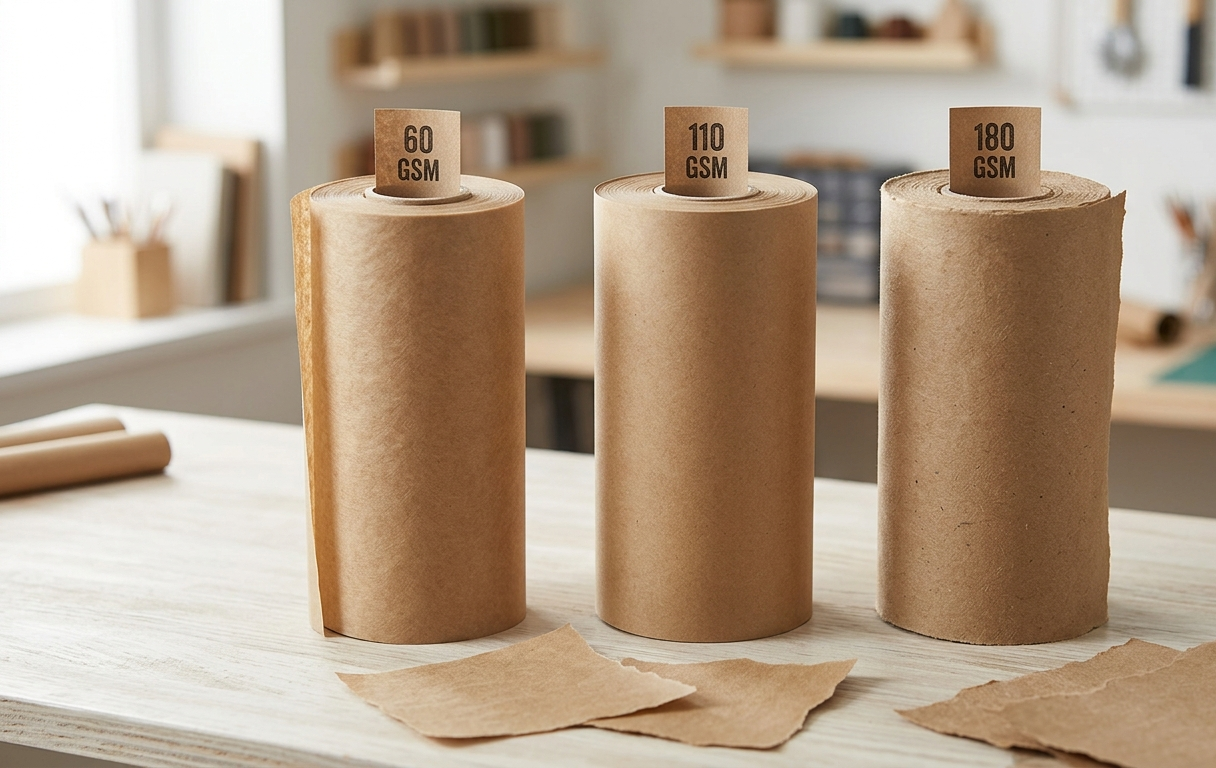
- Basis weight (gsm) — typically 80–250 gsm depending on application
- Coat weight per side (g/m²) — affects gloss and ink holdout
- Brightness (ISO or TAPPI) — typically 90+ for premium grades
- Gloss level — measured at 75° angle, ranges from <10 (matte) to >70 (high gloss)
- Smoothness — Bekk or Parker Print-Surf smoothness ratings
- Opacity — for double-sided printing, target 90+ percent
Specifying Laminated Paper
- Base paper grade and basis weight
- Film type and thickness (e.g., 12-micron BOPP, 25-micron PE)
- Lamination method — extrusion, adhesive, thermal — and adhesive chemistry if applicable
- Bond strength — peel resistance between paper and film
- Heat-seal temperature range, if relevant
- Barrier specs — water vapor transmission rate (WVTR), oxygen transmission rate (OTR)
Common Misconceptions to Avoid
“Coated Paper Is Waterproof”
It is not. Coated paper is water-resistant for minutes, not water-tight. If you need genuine water protection — packaging for liquids, outdoor signage, anything that will be wet for hours — laminated paper or fully synthetic substrate is the correct choice.
“Laminated Paper Always Prints Better”
It usually prints worse if printed on the laminated side. Print quality on coated paper is typically superior. Many laminated paper products print first, then laminate, specifically to capture both print quality and the protective lamination.
“Coated and Laminated Are Just Different Names for the Same Thing”
They share the goal of modifying surface properties, but the materials and processes are entirely different. Specifying coated when you need lamination — or vice versa — is a real procurement error and a common cause of failed first orders.
Frequently Asked Questions
Can coated paper be made waterproof?
Coated paper itself cannot be made waterproof through additional coating. Once you add a true barrier layer (plastic or wax), you have moved into the laminated paper category. There is no in-between.
Is laminated paper food-safe?
Many laminated papers are food-safe, but only specific film and adhesive combinations are FDA-approved for direct food contact. Always verify the certification on the data sheet — do not assume.
Which is more expensive?
Laminated paper is typically more expensive per unit area because of the additional film material and lamination process. However, in applications that require barrier performance, laminated paper is the only option, so cost comparison to coated paper is moot.
Can both be printed digitally?
Coated paper prints excellently on digital presses. Laminated paper depends on the film. Some films accept digital ink well; others require corona treatment or primer to bond. Always run a print trial before committing to a digital production run on laminated stock.
How do I tell them apart by hand?
Tear a corner. Coated paper tears cleanly through both the coating and the fiber. Laminated paper resists tearing and, if you do tear it, the film and paper separate at the tear edge — you can see the film hanging on. The film also has a distinct plastic feel and often a glossy finish that does not feel like paper.
The Bottom Line
Coated paper is a printing optimization. Laminated paper is a functional composite. Coated paper makes color sing on the page; laminated paper keeps liquid in the carton. They are different tools for different jobs, and they are not interchangeable. Specify by the requirement that drives the application — print quality, barrier performance, heat resistance, or recyclability — and the right answer is usually obvious. Match the tool to the job, verify the spec sheet, run a sample, and your order will perform the way the prototype did.