Skip to content

Brown kraft and white kraft paper look different, but the difference is more than color. The two papers are made from slightly different pulp processes, have different strength properties, and fit different applications. Choosing between them usually comes down to brand perception, print needs, and cost.
This guide walks through what actually separates brown and white kraft paper, where each one shines, and how to pick the right one for your business.
What Makes Kraft Paper Brown
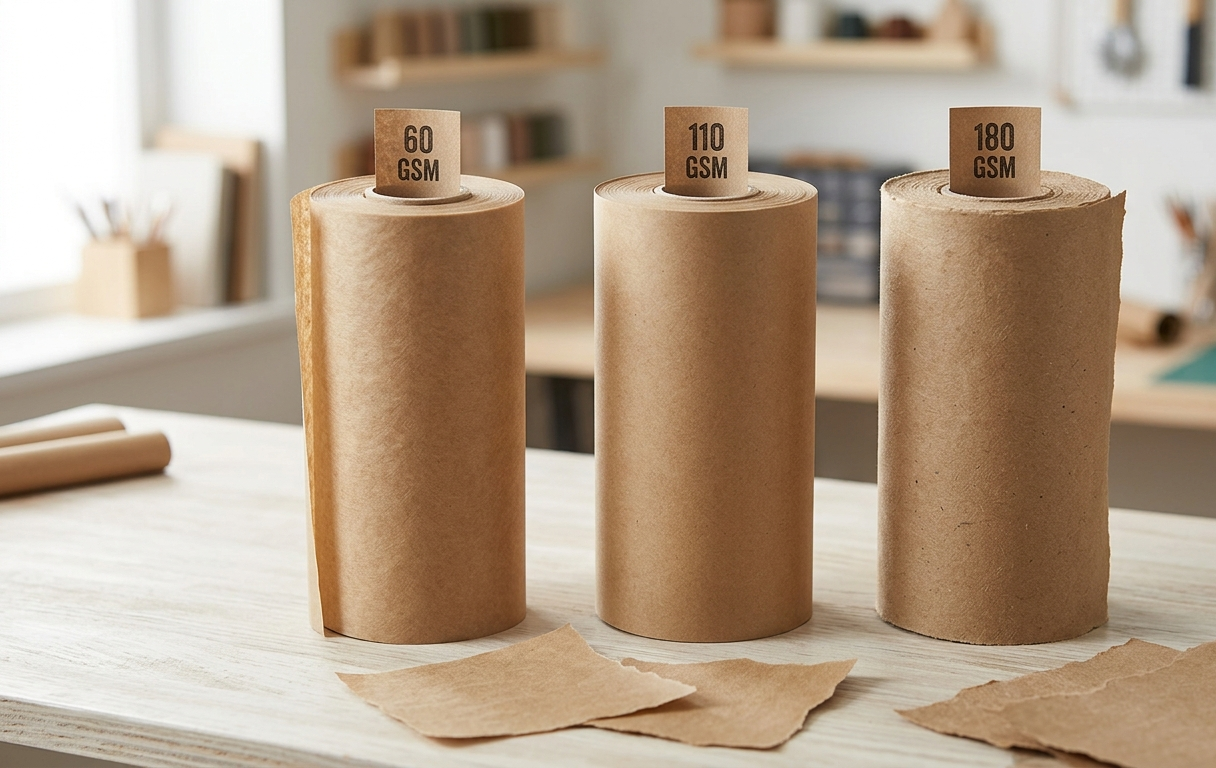
Brown kraft gets its color from lignin and natural wood compounds left in the pulp. The kraft pulping process strips most lignin away, but the small amount that remains gives kraft paper its warm brown tone. It is also what makes the paper strong. Lignin and long wood fibers together give brown kraft its signature tear resistance and tensile strength.
Because it is unbleached, brown kraft is cheaper to manufacture. It skips the bleaching step entirely, which also makes it more environmentally friendly. Less chemical processing means less water used and fewer effluents.
What Makes Kraft Paper White
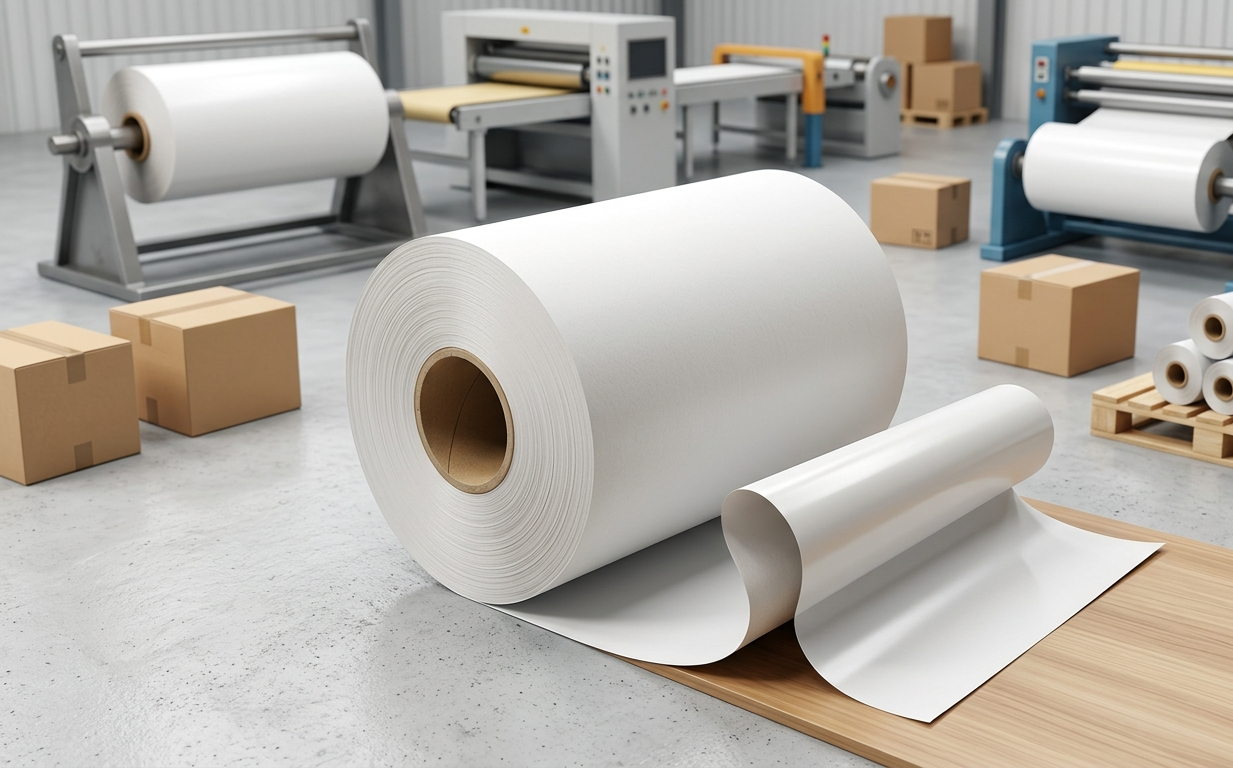
White kraft is brown kraft that has been bleached. The bleaching process removes the remaining lignin and lightens the pulp to a clean white or off-white tone. Some white kraft is fully bleached. Some is only partially bleached, producing a cream or oyster color.
Bleaching does two things beyond changing color. It reduces strength slightly compared to unbleached kraft, and it improves print receptivity. White kraft holds ink with better contrast, which is why most branded retail bags and premium packaging use white or bleached kraft rather than brown.
Strength and Performance
For raw strength, brown kraft wins most comparisons. The preserved lignin and fiber structure give brown kraft around 10 to 15 percent higher burst strength and tear strength at the same gsm. For shipping bags, heavy packaging, and industrial wraps, brown kraft is the default.
White kraft is strong enough for nearly all retail and packaging applications, but for loads above 25 kilograms or for abrasive products, brown kraft is usually the safer call. When in doubt, ask the supplier for burst and tear test results on both.
Print Quality
White kraft prints cleaner. Colors pop against a white background, text stays sharp, and photo reproduction is much better than on brown kraft. For branded retail bags, gift packaging, and any print that needs visual impact, white is the clear choice.
Brown kraft prints too, but the palette is more limited. Dark colors and metallic inks render well. Pastels and light colors wash out against the brown background. For a rustic, natural, or eco-positioning brand, that limitation is usually a feature, not a problem. Many small-batch and sustainable brands use minimal one-color printing on brown kraft deliberately.
Cost Comparison
Brown kraft costs less per kilogram than white kraft at the same specification. The savings come from skipping bleaching. Depending on the grade, the gap ranges from 10 to 30 percent. For high-volume shippers, that difference adds up fast.
At Kangchuang Paper, our brown kraft paper in 80 to 150 gsm runs at a lower price per ton than our white kraft of the same weight. For customers who do not need the white background, brown is simply a better cost per square meter.
Brand Perception
This is where it gets interesting. Brown kraft signals natural, eco-friendly, craft, or artisan. White kraft signals clean, premium, or food-grade. Neither is universally better, but one will almost always fit your brand better than the other.
A farm-to-table coffee roaster is going to ship beans in brown kraft. A high-end cosmetics brand is going to use white kraft with metallic foil. A sustainable fashion brand might use either depending on positioning. Think about what your customer feels when they pick up the package, because that reaction affects repeat purchase rates.
Food-Grade Applications
Both brown and white kraft are made in food-grade formulations, but the certification must come from the mill. Food-grade paper is produced with approved chemicals and meets FDA or EU 10/2011 migration limits. Do not assume food contact is safe just because the paper looks clean. Ask the supplier for the food-grade certificate.
White kraft is more common for food wrap because consumers associate white with cleanliness. Brown kraft food-grade paper is widely used for butcher wrap, bread bags, and pastry wrapping in brands that want a rustic look.
Which One Should You Buy?
If your priority is strength, cost, and natural look, go brown kraft. Shipping, industrial wrap, rustic retail bags, butcher paper, void fill, and eco-brand packaging all lean toward brown.
If your priority is print quality, clean appearance, or premium brand feel, go white kraft. Branded shopping bags, food-contact wrap for premium brands, labeled product boxes, and print-heavy retail packaging all work better in white.
If you need help deciding, request samples of both. Kangchuang Paper ships free sample packs with brown and white kraft in multiple weights so you can hold them, test them with your product, and print a trial run before committing to a full order.
The Bottom Line
Brown kraft is stronger, cheaper, and more natural looking. White kraft prints better, looks cleaner, and commands a premium price. Pick the one your brand and your product need. For most businesses, the cost savings of brown kraft on industrial applications and the brand lift of white kraft on retail work out to a mix of both.