Skip to content
Walk into any paper merchant and you will run into the coated versus uncoated question inside of five minutes. One has a glossy, smooth surface. The other feels like a hardback book page. Both are paper, both work for printing, but they are built for very different jobs.
This guide covers what actually changes between coated and uncoated paper, how to choose for your project, and where industrial applications fit into the picture.
What Coated Paper Is
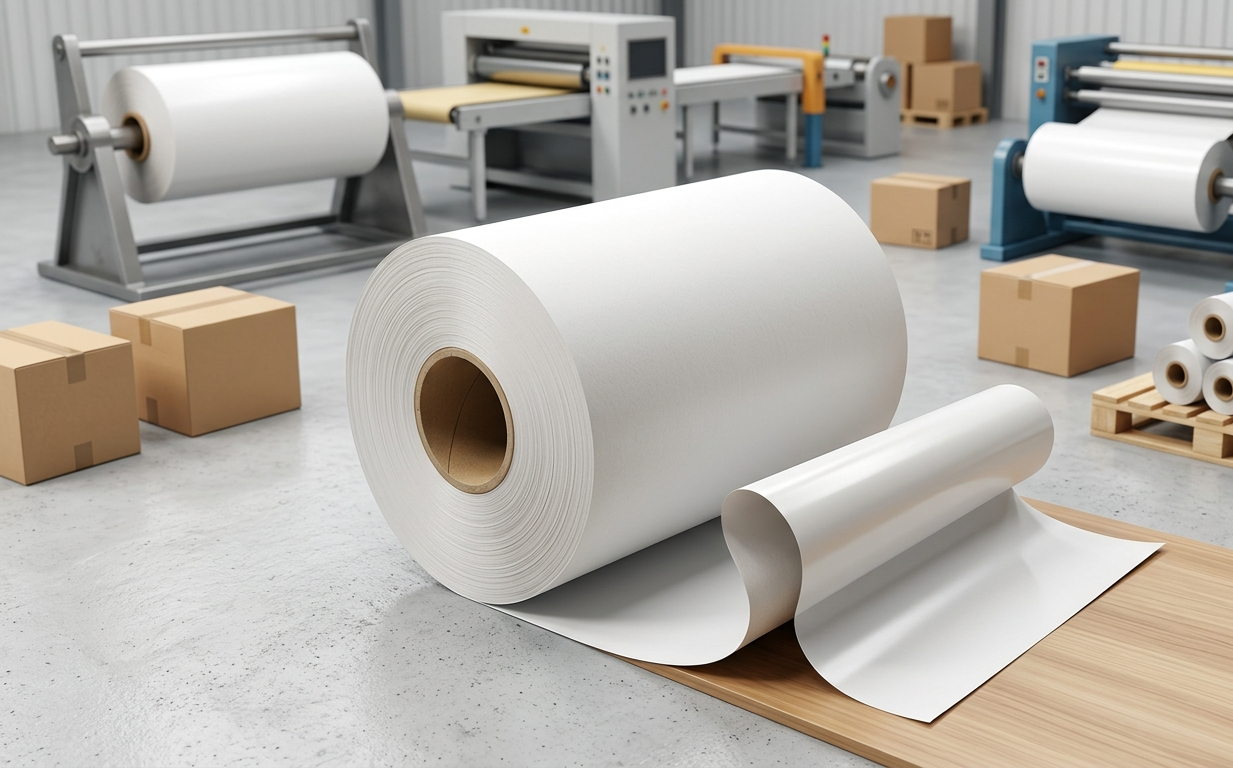
Coated paper has a layer applied to one or both sides of the base sheet. The coating is usually a mix of china clay, calcium carbonate, and binders. Some coated papers get a PE or polyethylene layer on top for moisture resistance. The coating smooths out the surface and closes the pores of the paper.
What that means for print: ink sits on top of the coating instead of soaking in. Colors look sharper, photos render with more detail, and you get that clean, polished feel you associate with magazines, brochures, and premium packaging.
Coated paper comes in three main finishes. Gloss has a reflective shine. Matte has a smooth surface without shine. Silk sits between the two. PE-coated paper is a subcategory used where water or grease resistance matters, like food packaging or industrial interleaving.
At Kangchuang Paper we run PE-coated kraft, one-side coated paper, and specialty industrial coated grades in custom grammages and widths.
What Uncoated Paper Is
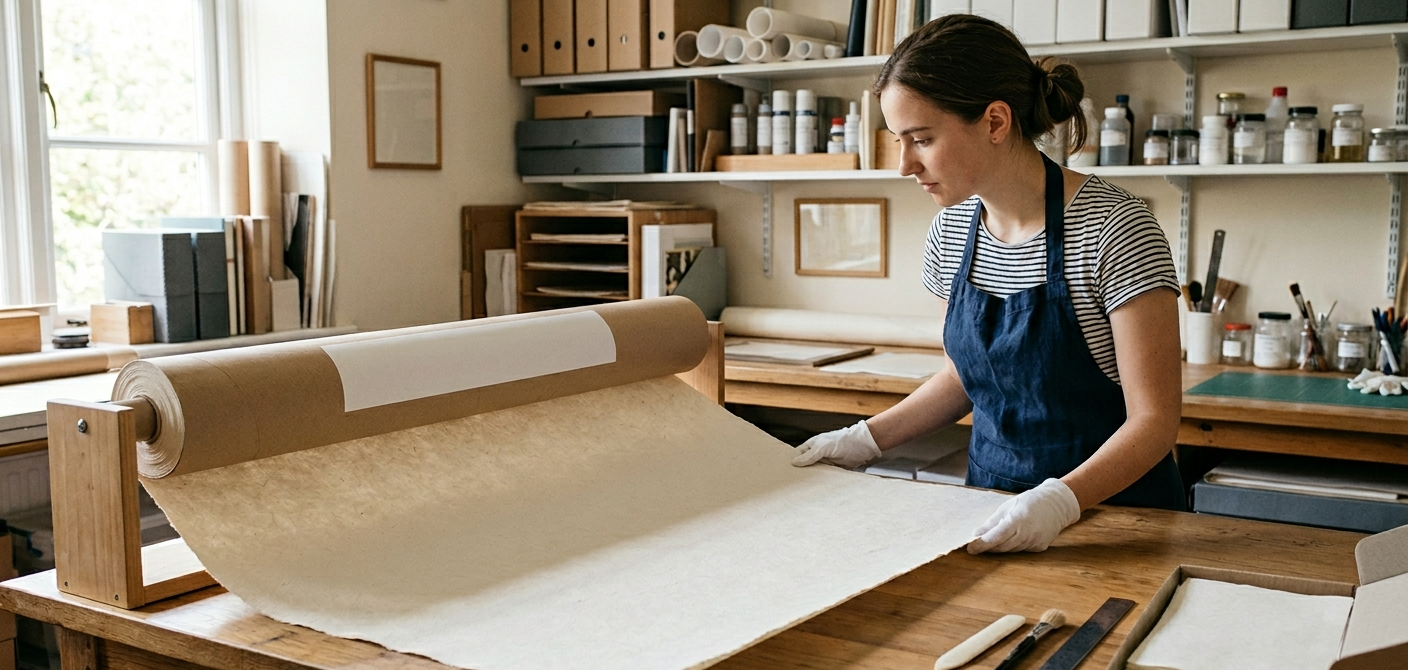
Uncoated paper is exactly what it sounds like. No coating layer. The surface you see and feel is the paper fiber itself. Some uncoated papers are calendered for smoothness, but there is no clay layer or polymer treatment on top.
Ink behaves differently on uncoated stock. It absorbs into the fibers, which softens the color and gives the printed piece a more natural, less glossy look. The paper also feels warm and tactile, which is why premium stationery, hardcover book text pages, and many luxury brand packaging pieces use uncoated sheets.
Uncoated paper also writes well. Try to scribble a note on a gloss brochure and the pen skips. Try the same on an uncoated sheet and the ink takes cleanly.
Print Quality: Where the Gap Shows
If you print a photograph on coated paper and the same photograph on uncoated, you will see the difference instantly. The coated version has crisp edges, deep blacks, and vibrant color. The uncoated version looks softer, with slight dot gain and lower contrast.
For photography, catalogs, high-end marketing collateral, and anything that depends on image sharpness, coated paper wins. For text-heavy documents, books, and print where readability matters more than visual punch, uncoated is usually preferred. Uncoated paper reduces glare, which makes long reading easier on the eyes.
There is no such thing as the right paper for everything. There is only the right paper for the project.
Industrial Uses: Where Coated Paper Pulls Ahead
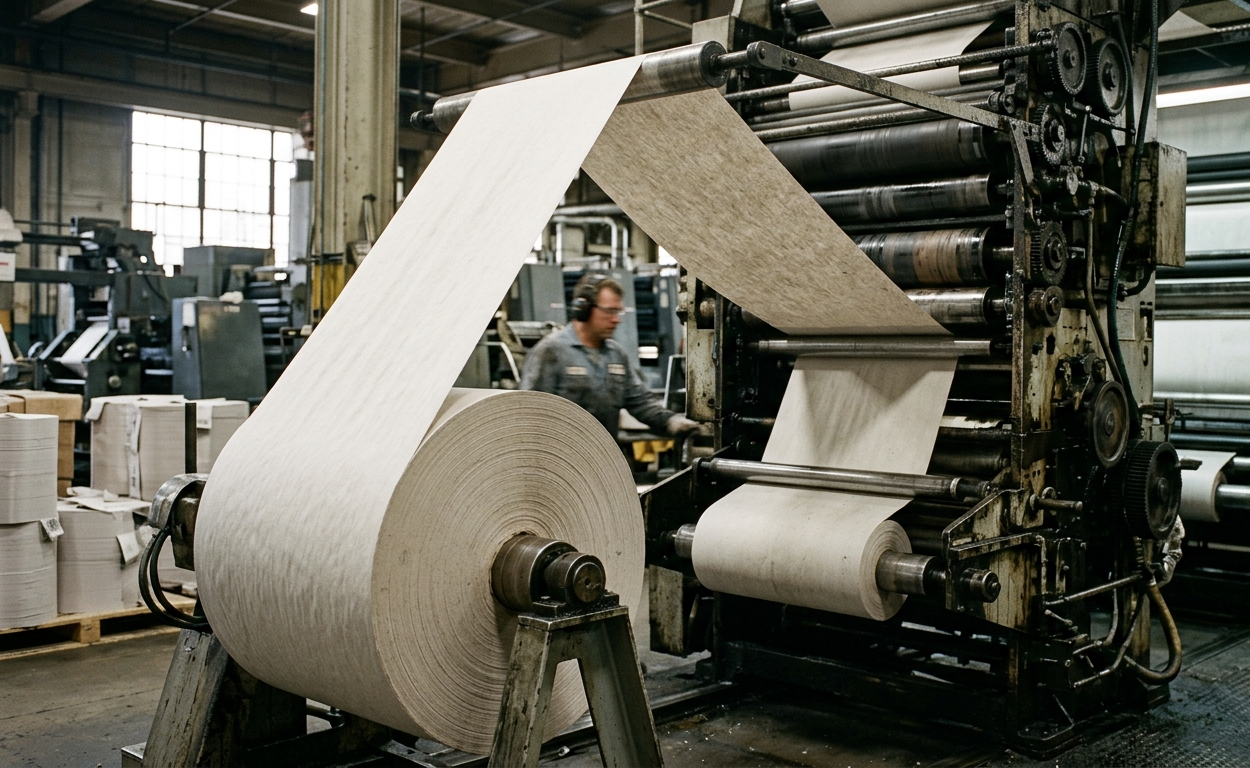
Outside printing, coated paper has serious industrial advantages. PE-coated kraft is used for disposable food packaging, baking paper, meat wrap, and anywhere grease or moisture resistance matters. One-side coated kraft is used as a release surface in industrial laminations.
In interleaving applications, a coated surface prevents the paper from absorbing solvents or inks from the stacked product. That makes coated interleaving the right choice for printed metal sheets, freshly painted parts, and certain food-contact applications.
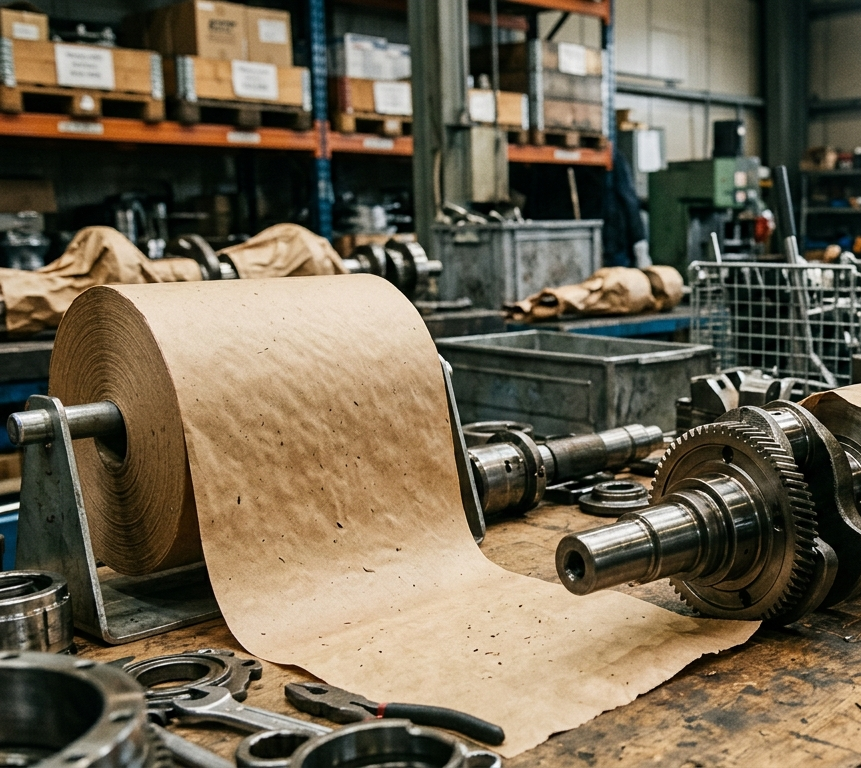
Uncoated kraft, on the other hand, is the standard for protective wrapping, void fill, and general packaging where you need strength and absorbency rather than moisture resistance.
Cost Comparison
Uncoated paper is almost always cheaper per kilogram than coated. The coating process adds material cost and an extra production step. For bulk packaging and stuffing, uncoated kraft and newsprint cost a fraction of what coated paper runs.
The trade-off is longevity. For archival work and documents you want to last, coated paper with a neutral pH holds up better than most uncoated options. Uncoated acid-free sheets exist, but they cost as much as coated and are usually specified only for specific archival or conservation jobs.
Environmental Notes
Both coated and uncoated paper are recyclable in most cases. PE-coated paper used to be a problem for recyclers because the polyethylene layer had to be separated out. Newer PE-coating formulas and newer mill technology have largely solved that, but if sustainability is a driving factor, check with your recycler or ask the supplier for a recyclability statement.
Uncoated recycled kraft is one of the most circular packaging papers on the market. It is made from post-consumer content, it breaks down in compost, and it runs through paper recycling streams without trouble.
How to Choose
Start with the end use. If the finished item will be viewed, photographed, or handled for visual appeal, coated paper is probably right. Gloss for punch, matte for a premium feel, silk for the middle.
If the paper is for reading, writing, or a natural tactile feel, uncoated wins.
If the application is industrial, which coated paper and uncoated paper both serve well, match the function. Moisture or grease barrier points you to PE-coated. Plain protection points you to uncoated kraft. Interleaving and release work points you to one-side coated.
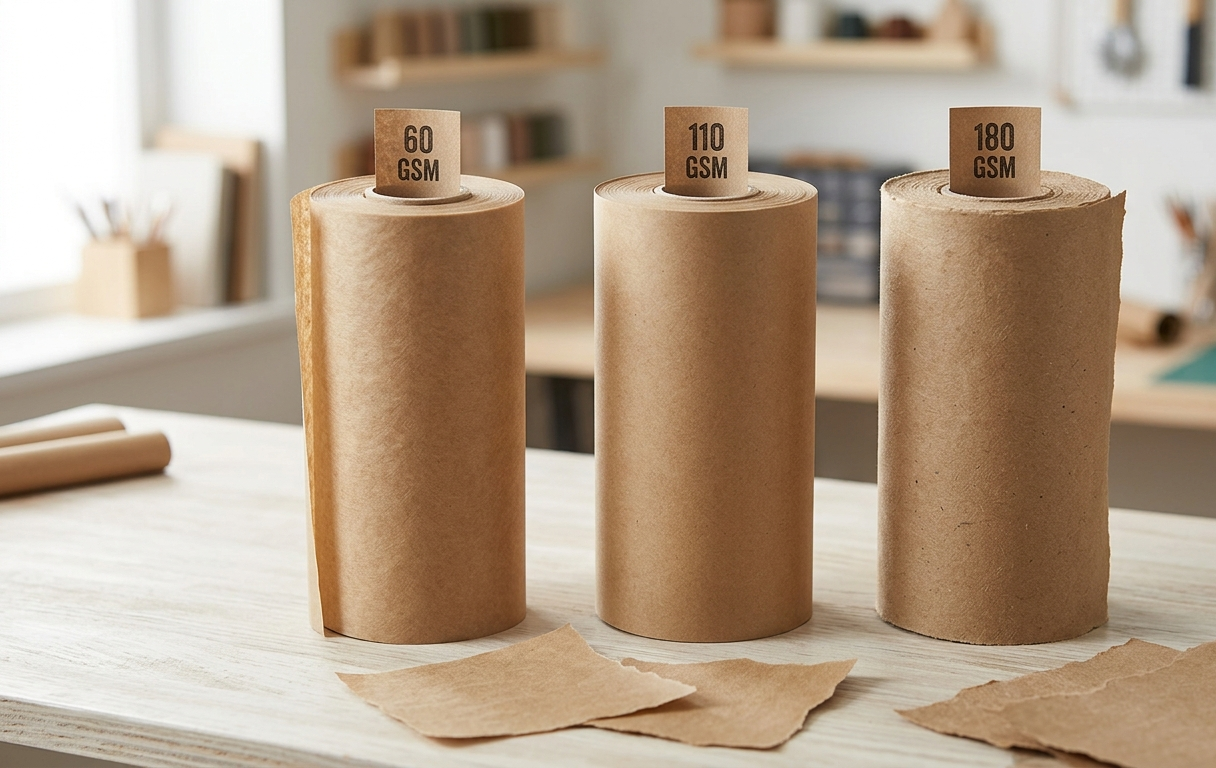
For large runs or unusual specifications, ask a paper manufacturer to send samples. Kangchuang ships free sample packs for both coated and uncoated grades, and we will match a current specification if you send one in.
The Bottom Line
Coated and uncoated paper are different tools for different jobs. Coated gives you sharp print and moisture barrier. Uncoated gives you tactile feel, readability, and lower cost. Neither is universally better. The project tells you which to buy.