Skip to content
Silver tarnishes. It happens to flatware, jewelry, silver-plated hardware, LED contacts, and every PCB with exposed silver traces. The cause is hydrogen sulfide and other sulfur compounds in the air reacting with the silver surface to form silver sulfide. That is the black film.
Good anti-tarnish paper absorbs those sulfur compounds before they reach the silver, or forms a protective vapor barrier around it. This list covers the five best anti-tarnish papers available in 2026 for jewelry, silverware, and industrial silver-plated components.
1. 3M Anti-Tarnish Strips (Consumer and Retail Grade)
The 3M anti-tarnish strips are the gold standard for consumer silver storage. They come as small paper strips impregnated with a tarnish-absorbing chemistry. Drop them into a jewelry box, a silver chest, or a display case and they absorb airborne sulfur before it can reach the silver surface.
Best for: Individual silver pieces, jewelry boxes, display cases, and retail packaging. Each strip protects a small enclosed area for about six months. Not a solution for industrial volumes or export shipping.
2. Pacific Silvercloth (Textile, Not Paper, But Worth Mentioning)
Pacific Silvercloth is technically a flannel textile, not paper. But it is the reference standard for storing silver flatware and serving pieces. The cloth is infused with silver ion chemistry that actively neutralizes sulfur compounds.
Best for: Jewelry drawers, silver chests, and display cases where silver lives for years. Silvercloth works without replacement for decades. It is not a packaging paper, so it does not fit shipping applications, but for long-term storage it is unmatched.
3. Kangchuang Sulfur-Free Anti-Tarnish Paper (Industrial and Bulk)
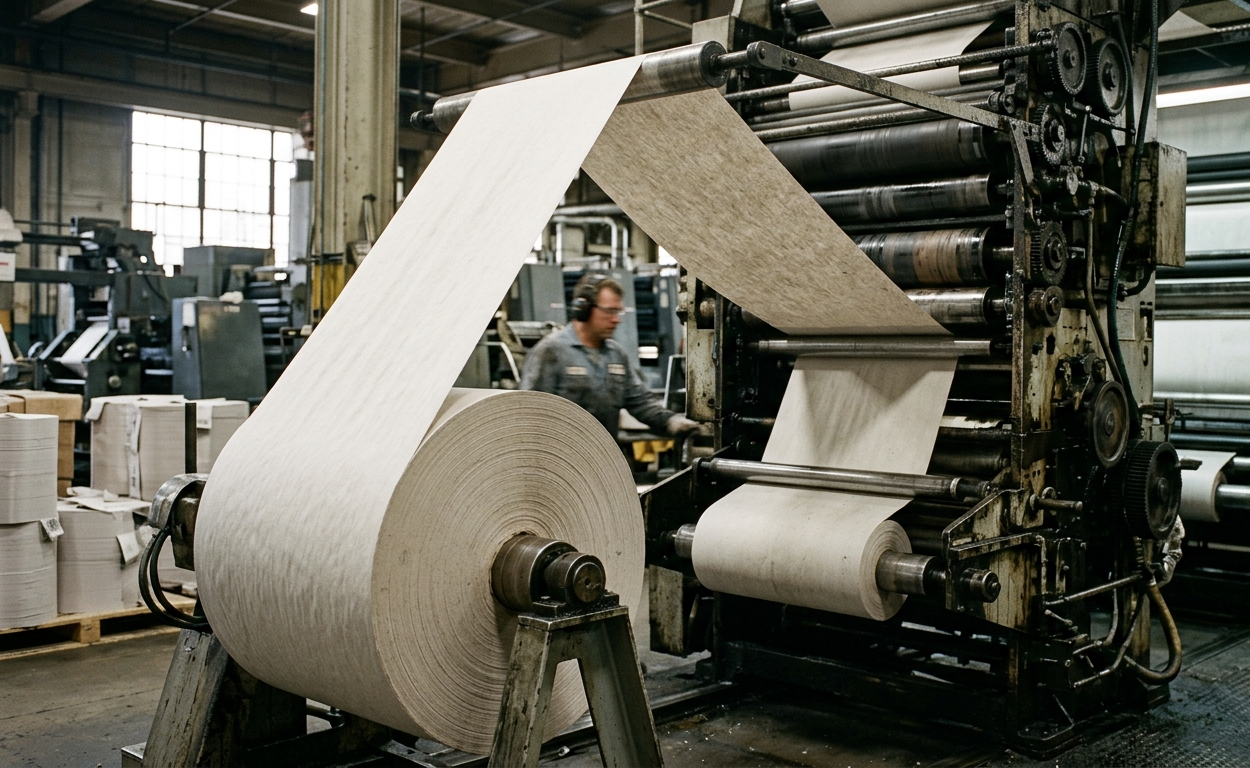
For industrial silver-plating, LED bracket packaging, and export shipping of silver-plated components, a bulk anti-tarnish paper with documented sulfur content is the right tool. Kangchuang Paper manufactures sulfur-free anti-tarnish paper in rolls, sheets, and custom widths.
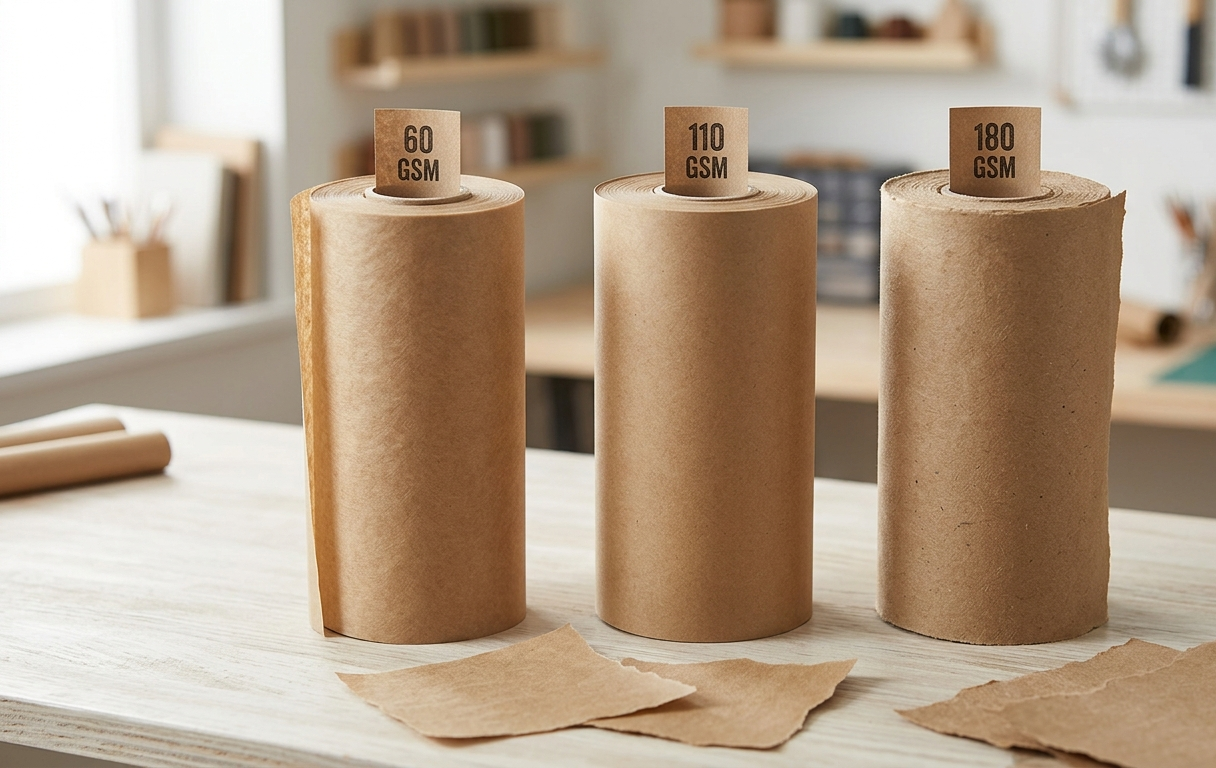
The paper is tested per lot for sulfur content, with standard grade at under 20 ppm and premium grade at under 5 ppm. Available in 60 to 90 gsm kraft or tissue substrates, with options for antistatic treatment for ESD-sensitive silver components.
Best for: Silver-plating shops, LED manufacturers, PCB factories, and export houses shipping silver-plated goods to Japan, Germany, or the US. Kangchuang ships free samples with test reports to US buyers, and our minimum order quantity is well below what American specialty paper mills will run.
4. Intercept Technology Paper
Intercept is a patented copper-based anti-tarnish technology that actively reacts with sulfur and other corrosive gases before they can reach protected silver. Intercept paper is sold under several brand names including Corrosion Intercept and is widely used by museums, archives, and high-end collectors.
Best for: Museum-grade storage, high-value coin and jewelry collections, and archival storage of historically significant silver pieces. Premium pricing, but decades of proven performance.
5. Tarnish Prevention Tissue (Acid-Free and Sulfur-Free)
Tarnish prevention tissue is a lightweight acid-free, sulfur-free tissue paper used for wrapping individual silver pieces. Unlike the paper-thick grades used for industrial packaging, this tissue is soft enough to wrap directly against delicate silver surfaces without scratching.
Best for: Wrapping individual silver flatware pieces for long-term storage, jewelry for shipping, and interleaving between stacked silver items. Sold by weight and size, usually in packs of 100 or 500 sheets.
Kangchuang Paper produces sulfur-free anti-tarnish tissue in 17 to 25 gsm grades. Our tissue can be custom printed, custom cut, and tested for sulfur content per lot.
How to Match Paper to Your Silver
Think about three factors. First, how valuable is the silver? Museum and collector-grade items deserve Intercept or Silvercloth. Industrial plated parts need a tested sulfur-free industrial grade. Consumer jewelry sits in the middle.
Second, how long will it be stored? For storage beyond a year, active anti-tarnish chemistry matters. Passive sulfur-free paper alone is not enough. Look for products that actively absorb or neutralize sulfur gases.
Third, what environment is it in? Dry, climate-controlled storage is gentler. Humid basements, uninsulated garages, or overseas shipping routes are harsh. Match the paper grade to the stress the silver will face.
What Does Not Work
Regular kraft paper makes tarnish worse. It contains residual sulfur from the pulping process, which leaches into the air around the silver. Newspaper is even worse, because printing ink has its own sulfur compounds.
Plastic bags sealed tight actually accelerate tarnish in some cases, because any moisture trapped inside concentrates. Tissue paper from a craft store is usually not sulfur-tested and can carry enough sulfur to contribute to tarnish.
Use paper that specifically says anti-tarnish, sulfur-free, or acid-free sulfur-free. Anything else is a gamble.
Testing Your Paper
The easiest way to test an anti-tarnish paper is to seal a freshly polished silver piece with the paper in a small bag, and compare it against a piece sealed in regular paper over the same period. After 30 to 60 days you will see a clear visual difference. Industrial buyers run the same test but measure optical reflectance to quantify the tarnish rate.
Kangchuang can provide test reports from independent labs showing sulfur content per lot. We also welcome customer trial runs where we ship samples to your facility and you compare them to your current supplier under your actual conditions.
The Bottom Line
For individual consumer silver pieces, 3M strips and Silvercloth are the established standards. For high-value collector pieces, Intercept technology is the premium choice. For industrial and bulk silver-plating work, sulfur-free anti-tarnish paper and tissue from a verified manufacturer like Kangchuang is the cost-effective answer.
The common thread across all five is documented chemistry. A paper that claims anti-tarnish without test data is a paper to skip. Silver is too valuable to leave unprotected.